


Cultural Tours in Rwanda: A Complete Guide Beyond Gorilla Trekking
Bujuku Eco Tours2026-08-04T13:44:50+03:00Most Rwanda itineraries are built almost entirely around gorilla trekking, and understandably so, since it’s the country’s signature draw and one of the most extraordinary wildlife experiences on the planet.
But Rwanda’s cultural depth, its royal history, its living traditions of dance and craft, the sobering and essential story of the 1994 genocide, and the way traditional pastoralism and conservation now coexist in places like Volcanoes National Park, adds a dimension to a Rwanda trip that travellers who stick purely to the wildlife circuit consistently say they wish they’d made more time for.
This guide covers Rwanda’s most significant cultural tour experiences: the Kigali Genocide Memorial and the deeper understanding it provides of the country’s recent history, the King’s Palace Museum and Rwanda’s pre-colonial royal tradition, Iby’Iwacu Cultural Village near Volcanoes National Park, the Nyamirambo Women’s Centre Walk in Kigali, Intore dance performances, and the Batwa community experiences available in both Rwanda and neighbouring Uganda.
Rwanda’s cultural identity is shaped by several distinct but interconnected threads: a pre-colonial kingdom tradition with its own royal court culture and cattle-centred aristocracy, the shared Kinyarwanda language and Banyarwanda identity that unites the country’s population, the profound rupture and subsequent reconciliation process following the 1994 genocide, and the specific relationship between Rwanda’s Twa, Hutu and Tutsi communities that has shaped the country’s history and continues to shape its careful, deliberate approach to national unity today.
The genocide against the Tutsi in 1994, in which an estimated 800,000 to one million people were killed in roughly 100 days, remains the single most important historical event to understand before visiting Rwanda, not as a morbid curiosity but because the country’s entire post-genocide reconstruction, its governance model, its emphasis on unity and reconciliation, its investment in conservation and tourism as tools of national rebuilding, flows directly from this history.
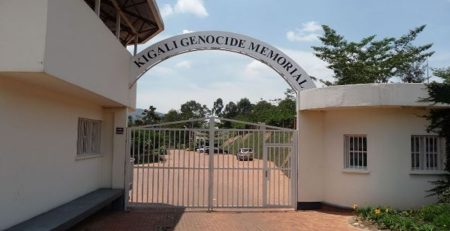
The Kigali Genocide Memorial is widely regarded as the most essential single cultural site in the country for this reason.

Rwanda's Main Cultural Experiences at a Glance
Here is a direct comparison of Rwanda’s most significant cultural tour experiences and what each offer.
Experience | Location | Focus | Typical Duration |
Kigali Genocide Memorial | Gisozi, Kigali | 1994 genocide history, remembrance, reconciliation | 2-3 hours |
King’s Palace Museum | Nyanza | Pre-colonial royal history, traditional court life, Inyambo cattle | 2-3 hours |
Iby’Iwacu Cultural Village | Near Volcanoes National Park, Musanze | Traditional village life, dance, craft, former poacher stories | Half day |
Nyamirambo Women’s Centre Walk | Nyamirambo, Kigali | Everyday urban life, women’s cooperative, local food | 3-4 hours |
Ethnographic Museum (Museum of Rwanda) | Huye (Butare) | Comprehensive Rwandan cultural artefacts and history | 1-2 hours |
Batwa community experiences | Near Volcanoes National Park and in Uganda | Displaced forest community history and traditional skills | Half day |
Rwanda's Key Cultural Tour Experiences
What follows covers each of Rwanda’s most significant cultural tour experiences in detail, with an honest account of what each offer and how to approach it respectfully.
Kigali Genocide Memorial
The Kigali Genocide Memorial in the Gisozi neighborhood is the single most essential cultural site in Rwanda, built on the grounds where more than 250,000 genocide victims are buried.
The memorial’s exhibition covers the historical construction of ethnic identity during the colonial period, the escalation toward genocide, the 100 days of killing in 1994, and Rwanda’s subsequent reconciliation and rebuilding process.
The audio guide, available at the entrance, adds significant depth beyond the exhibition panels alone, and most visitors find that allowing a full two to three hours, rather than rushing through in under an hour, is essential to properly engage with what the memorial presents. This should be approached as the first substantive stop of any Rwanda cultural itinerary, giving context to everything else you encounter in the country afterward.
King’s Palace Museum, Nyanza
The King’s Palace Museum in Nyanza, roughly two hours south of Kigali, sits on the site of the former royal capital of the Nyiginya Kingdom, Rwanda’s pre-colonial monarchy.
The museum includes a reconstructed traditional royal residence built in the historic style, alongside a more formal colonial-era palace building, and its most memorable feature for many visitors is the herd of Inyambo, the long-horned royal cattle historically kept for ceremonial purposes, which are cared for on the museum grounds and can be observed and, with the keepers’ guidance, appreciated for their significance in traditional Rwandan court culture. The site offers a genuinely different cultural register from the genocide memorial, connecting visitors to Rwanda’s sophisticated pre-colonial history.
Iby’Iwacu Cultural Village
Iby’Iwacu Cultural Village, near Volcanoes National Park in Musanze, was established specifically to give former poachers an alternative livelihood connected to tourism rather than illegal hunting, and it has grown into one of Rwanda’s most substantive community cultural tourism experiences.
Visits typically include demonstrations of traditional dance and music, a recreation of a traditional royal court presentation, craft demonstrations, and often direct conversation with former poachers about their transition to conservation-supportive livelihoods. This is a natural addition to a Volcanoes National Park stay, filling the afternoon or rest day between gorilla trekking outings with a genuinely worthwhile cultural alternative.
Nyamirambo Women’s Centre Walk, Kigali
The Nyamirambo Women’s Centre runs guided walking tours through Kigali’s most densely populated and traditionally working-class neighborhood, offering a picture of everyday Rwandan urban life that the more polished parts of the capital don’t provide.
Tours typically include visits to a family home, a local market, a tailoring cooperative run by the centre’s members, and a traditional Rwandan lunch, with proceeds supporting women’s economic independence programmes in the neighbourhood. This is one of the most consistently recommended cultural experiences in Kigali specifically because it offers genuine, community-owned interaction rather than a staged tourist performance.
Ethnographic Museum (Museum of Rwanda), Huye
The Ethnographic Museum in Huye, formerly Butare, holds one of the finest collections of Rwandan cultural artefacts in the country, covering traditional basketry, pottery, weaponry, musical instruments and clothing across Rwanda’s various regions and historical periods.
For travellers with a genuine interest in the material culture behind Rwanda’s traditions, whether the basketry patterns seen throughout the country or the royal court regalia connected to the Nyanza palace, this museum provides useful depth, and it combines naturally with a visit to Nyungwe Forest given Huye’s position on the southern route toward the forest.
Batwa Community Experiences
The Batwa people, the original forest-dwelling inhabitants of the Albertine Rift’s mountain forests, were displaced from their traditional territory when parks including Volcanoes National Park were established for gorilla conservation.
Cultural experiences connecting visitors with Batwa communities, available both in Rwanda and, more formally structured, at Uganda’s Mgahinga Gorilla National Park through the Batwa Trail, offer a genuinely important and often overlooked perspective on the human cost of conservation.
These experiences work best when arranged through a reputable operator with a genuine, respectful community relationship, including honest conversation about displacement and the community’s current circumstances, rather than a purely performative craft demonstration.
Intore Dance Performances
The Intore dance, historically performed by an elite corps of warriors and dancers at the royal court, remains one of Rwanda’s most visible and celebrated cultural traditions, characterized by dramatic, high-energy movement, elaborate headdresses resembling a lion’s mane, and rhythmic drumming that accompanies the performance.
Intore performances are included at several cultural sites including Iby’Iwacu and are sometimes arranged as an evening activity at lodges around Volcanoes National Park and elsewhere, offering a visually spectacular and genuinely significant piece of living Rwandan heritage.
When to Include Cultural Tours in Your Itinerary
Rwanda’s cultural sites and experiences are accessible year-round, since none depend on wildlife seasonality or weather in the way gorilla trekking does, which makes them genuinely flexible additions to any Rwanda itinerary regardless of when you’re travelling.
The practical timing question is less about season and more about sequencing within your specific trip. Visiting the Kigali Genocide Memorial on arrival, before heading out to Volcanoes National Park or elsewhere, gives essential context for the rest of your trip. Iby’Iwacu Cultural Village and similar experiences near Volcanoes National Park work well as a rest-day activity between gorilla trekking outings, using the days when you’re not trekking productively rather than simply resting at the lodge.
Experience | Best Timing Within Trip | Weather Dependency |
Kigali Genocide Memorial | First stop, on arrival | None; indoor exhibition |
King’s Palace Museum, Nyanza | En route to Nyungwe or as a dedicated day trip from Kigali | Low; mostly outdoor grounds but manageable in most weather |
Iby’Iwacu Cultural Village | Rest day between gorilla treks at Volcanoes NP | Low; some outdoor performance elements |
Nyamirambo Women’s Centre Walk | Kigali arrival or departure day | Low; mostly street-level walking |
Batwa community experiences | Alongside Volcanoes NP or Mgahinga (Uganda) stay | Moderate; some forest walking involved |
What Do Cultural Tours in Rwanda Cost?
Most of Rwanda’s cultural experiences are considerably less expensive than gorilla trekking permits, making them accessible additions to a Rwanda itinerary regardless of your overall trip budget tier. The Kigali Genocide Memorial charges no formal entry fee, though a donation is expected and appropriate, while sites like the King’s Palace Museum and the Ethnographic Museum carry modest entry fees typical of national museum admission elsewhere.
Community-based experiences like Iby’Iwacu Cultural Village and the Nyamirambo Women’s Centre Walk carry their own fee structures that typically include a direct community benefit component, and these are worth paying without haggling, given the direct role tourism revenue plays in supporting the community programmes these experiences fund.
Essential Kigali cultural circuit — Genocide Memorial plus Nyamirambo walk
A half to full day in Kigali covering the Genocide Memorial in the morning and the Nyamirambo Women’s Centre Walk in the afternoon, giving essential historical context alongside genuine contemporary community engagement, at a modest overall cost.
Extended cultural circuit with Nyanza — Kigali circuit plus a King’s Palace Museum Day trip
Adding a day trip to Nyanza’s King’s Palace Museum, roughly two hours from Kigali, extends the cultural circuit to include Rwanda’s pre-colonial royal history alongside the Kigali-based experiences, at a modest additional transport and entry cost.
Full cultural immersion alongside gorilla trekking — Kigali circuit, Iby’Iwacu Cultural Village, Batwa experience
A comprehensive cultural programme combining the Kigali experiences with Iby’Iwacu Cultural Village and, where available, a Batwa community experience near Volcanoes National Park, woven into the rest days of a gorilla trekking itinerary.
Where to Stay for Cultural Tourism Access
Rwanda’s cultural sites are spread across the country, and accommodation choices for a culturally focused itinerary depend on which specific experiences you’re prioritizing. Kigali itself, given its concentration of the Genocide Memorial, the Nyamirambo walk and other city-based cultural experiences, is worth two nights rather than a single transit stop for travellers genuinely interested in this dimension of a Rwanda trip.
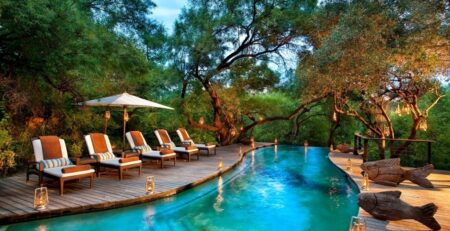
For the Volcanoes National Park-adjacent cultural experiences, including Iby’Iwacu and Batwa community visits, any of the Kinigi-area lodges already used for gorilla trekking work equally well as a cultural tourism base, requiring no separate accommodation arrangement.
Base | Cultural Access | Best For |
Kigali (2 nights) | Genocide Memorial, Nyamirambo walk, Inema Arts Centre, Kimironko Market | Travellers wanting a proper Kigali cultural circuit rather than a single transit night |
Kinigi area (Volcanoes NP) | Iby’Iwacu Cultural Village, Batwa community experiences | Travellers combining gorilla trekking with cultural rest-day activities |
Nyanza or a Huye-area stopover | King’s Palace Museum, Ethnographic Museum | Travellers with a dedicated cultural day trip from Kigali or en route to Nyungwe |
Musanze town | Access to Iby’Iwacu and other Volcanoes NP-area cultural sites at lower accommodation cost | Budget-conscious travellers combining culture with gorilla trekking |







Leave a Reply