

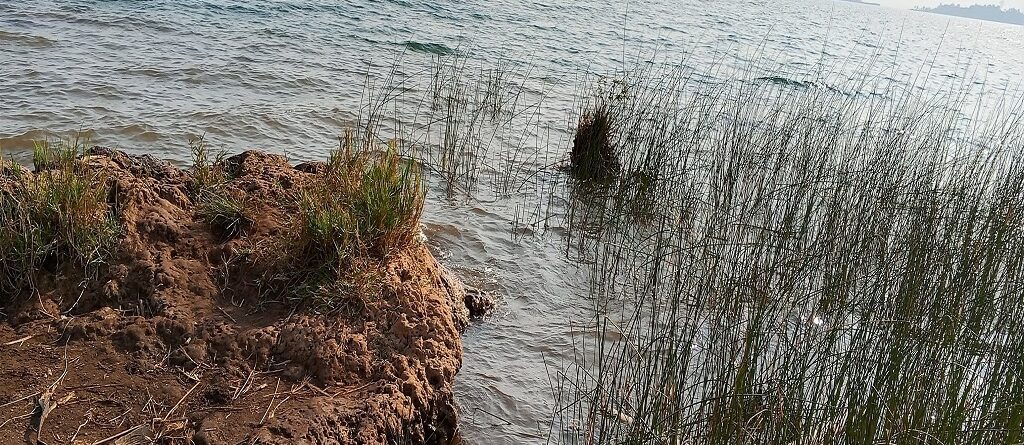
Guide to Idjwi Island
Bujuku Eco Tours2026-08-03T15:34:06+03:00Guide to Idjwi Island, sits in the middle of Lake Kivu, roughly halfway between the Rwandan lakeshore towns of Karongi and Rubavu and the Congolese cities of Goma and Bukavu, and it’s one of the least visited, most genuinely peaceful destinations in the entire Great Lakes region.
It’s worth clarifying an important point immediately, since a great deal of tourism marketing blurs it: Idjwi is politically part of the Democratic Republic of Congo, forming part of South Kivu Province, not Rwanda, despite sitting closer to Rwanda’s shoreline at its southern tip and being marketed heavily by Rwanda-based tour operators as a natural add-on to a Rwanda itinerary.
Understanding this distinction matters practically, since visiting Idjwi means entering DRC territory and requires a valid DRC visa, even for travellers who are otherwise only visiting Rwanda.
Idjwi stretches approximately 70 kilometers in length and up to 10 kilometers in width, covering roughly 340 square kilometers, making it the second-largest inland lake island in Africa and among the largest in the world.
Its volcanic soils, green rolling hills, banana groves and terraced farmland closely resemble the landscape of Rwanda’s own thousand hills, a visual continuity that reflects the island’s deep cultural and historical connections to both shores of the lake despite its formal political status as part of the DRC’s South Kivu Province.
The island’s population, estimated at around 300,000 people, is primarily Bantu-speaking, drawn from communities including the Bany’Idjwi, Bashi and Banyarwanda groups, many of whom speak both Kinyarwanda and Swahili, a reflection of the genuine cultural overlap between Idjwi and the Rwandan shore just a few kilometers away.
Trade and family connections across the lake are longstanding and routine, with fish, bananas, coffee and handicrafts moving regularly between the island and the Rwandan towns of Karongi and Rubavu as well as the Congolese cities of Bukavu and Goma.
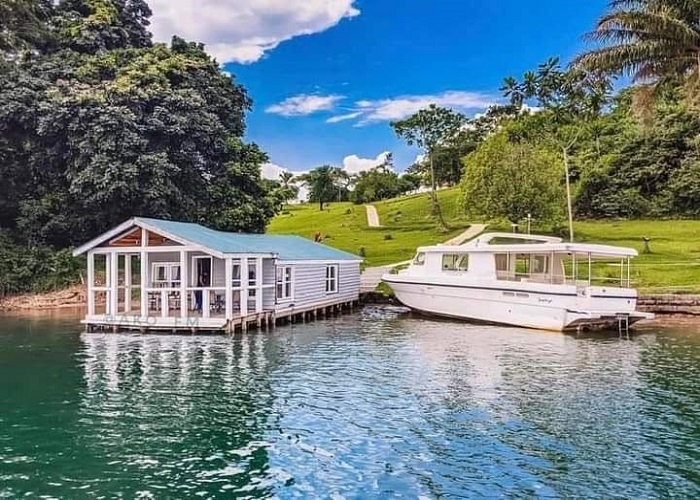
Guide to Idjwi Island in Context: Lake Kivu's Other Islands
Idjwi is the largest of several notable islands on Lake Kivu, and understanding how it compares to the others helps set the right expectations for a visit.
Island | Country | Size and Character | Access |
Idjwi Island | DRC (South Kivu Province) | Largest island on the lake; traditional village life, farming and fishing communities | Boat from Karongi/Rubavu (Rwanda) or Goma/Bukavu (DRC); DRC visa required to land |
Napoleon Island | Rwanda (near Karongi) | Small island famous for a large fruit bat colony; day-trip destination | Short boat trip from Karongi; no visa complexity |
Amahoro Island | Rwanda (near Karongi) | Small, peaceful island good for swimming and picnicking | Short boat trip from Karongi; no visa complexity |
Iwawa Island | Rwanda (northern lake) | Larger island with varied terrain; less developed for casual tourism | Boat from the northern Rwandan shore |
Tchegera Island | DRC (northern lake, near Goma) | Volcanic crater rim island with camping and Virunga volcano views | Boat from Goma; DRC visa required |
What to Do and See on Idjwi Island
Idjwi’s appeal lies less in a checklist of headline attractions and more in the cumulative experience of its rural, traditional way of life. Here is what a visit typically involves.
Village Life and Local Interaction
The core experience of visiting Idjwi is walking through its villages and farmland, observing and, with a good local guide, genuinely interacting with a community whose daily rhythm is shaped by agriculture and fishing rather than tourism.
Conversations with local farmers and fishermen, arranged respectfully through a guide rather than approached informally, give genuine insight into island life that Lake Kivu’s more developed Rwandan shore towns don’t offer in the same way.
Pineapple and Coffee Plantations
Idjwi’s volcanic soil supports extensive agriculture, and the island is known regionally for one of the largest pineapple plantations in the area, alongside coffee, banana and cassava cultivation. A guided visit to a local plantation gives insight into the island’s agricultural economy and, depending on the season, the opportunity to see or even taste fresh produce directly from the source.
Fishing Villages and Lake Life
Fishing is one of Idjwi’s core economic activities, and Lake Kivu’s waters support a range of species including tilapia, carp and catfish, along with the small sardine-like isambaza that’s central to local cuisine across the wider lake region. Visiting a fishing village, watching boats depart or return, and observing traditional fishing methods gives a direct sense of how the lake sustains the island’s population.
Beaches and Swimming
Idjwi’s shoreline includes a number of sandy beaches offering swimming and relaxation in Lake Kivu’s generally warm, comfortable water. Unlike many East African lakes, Lake Kivu carries no bilharzia risk and has no resident hippo population in its main areas, making it one of the more genuinely swimmable large lakes in the region, though local guidance on specific safe swimming spots around the island is worth following.
Birdwatching
Idjwi’s forest patches, farmland edges and lakeshore support a good range of bird species, including the white-throated bee-eater, yellow-billed stork and African fish eagle among others. The island’s relatively low development and quiet character make for a pleasant, unhurried birding experience for visitors with even a casual interest.
Hiking and Viewpoints
Idjwi’s hilly terrain offers scenic hiking routes leading to forest patches and panoramic viewpoints over Lake Kivu, with views extending toward both the Rwandan and Congolese shores on clear days. These walks are informal rather than maintained trails with facilities, and a local guide is genuinely useful both for navigation and for the cultural context they can provide along the route.
When to Visit Idjwi Island
Idjwi can be visited year-round, and the island’s climate follows the same broad pattern as the rest of the Lake Kivu region. The dry seasons, from June through September and from December through February, offer the most pleasant conditions, with less rainfall, lower humidity and calmer lake conditions for the boat crossing.
The wetter months, particularly the long rains from March through May, can make both the boat crossing and movement around the island’s unpaved paths and roads more difficult, and visitors planning a trip during this period should build in extra flexibility for potential delays.
Season | Months | Conditions | Boat Crossing Conditions |
Long dry season | June – September | Pleasant, lower humidity, clear skies | Calmest lake conditions; most reliable crossings |
Short dry season | December – February | Warm and dry | Good conditions; reliable crossings |
Long rains | March – May | Wetter, more humid | Choppier water possible; occasional crossing delays |
Short rains | October – November | Moderate rainfall | Generally manageable; some variability |
What Does a Visit to Idjwi Island Cost?
The primary and most important cost consideration for Idjwi Island is the DRC visa, required for any visitor landing on the island regardless of which shore they depart from, since the island is DRC territory. Current visa costs and application processes for the Democratic Republic of Congo vary by nationality and should be confirmed with the relevant DRC diplomatic mission or a specialist DRC tour operator well before travel, since requirements and fees are subject to change.
Beyond the visa, Idjwi’s costs are genuinely modest by regional standards, reflecting its limited tourism infrastructure. Boat transport is the main additional expense, followed by simple guesthouse accommodation and meals, all priced well below equivalent costs on the more developed Rwandan shore.
Day excursion from the Rwandan shore — Boat charter plus DRC visa
A private boat charter from Karongi or Rubavu, a DRC visa arranged in advance, and a guided day visit to the island covering village walks, a plantation visit and lake swimming, returning to the Rwandan shore the same evening.
This is the most common way independent travellers experience Idjwi.
Overnight stay at a local guesthouse — Boat transport, DRC visa, basic accommodation
An overnight stay at one of the island’s simple guesthouses, such as Hope Land Guest House near Bugarula Port, combined with boat transport and the DRC visa. This allows a more relaxed pace and the chance to experience the island’s evening and early morning atmosphere rather than a rushed day trip.
Combined DRC circuit including Idjwi — Wider DRC itinerary with Idjwi as one stop
For travellers already planning a DRC-focused trip, gorilla trekking in Virunga National Park, a Nyiragongo volcano climb, or a Kahuzi-Biega eastern lowland gorilla trek, adding Idjwi as one stop within a broader circuit spreads the DRC visa cost across a richer overall itinerary rather than justifying it for the island alone.
Where to Stay on and Near Idjwi Island
Accommodation on Idjwi Island itself remains genuinely limited, reflecting its underdeveloped tourism infrastructure, and most visitors either do a day trip without an overnight stay or use one of the small number of basic guesthouses available near the island’s main ports.
For travellers who prefer not to stay overnight on the island itself, basing on the Rwandan shore at Karongi or Rubavu and doing Idjwi as a day excursion is the most practical and widely used approach, offering considerably more developed accommodation and dining options for the rest of the stay.
Option | Location | Style | Best For |
Hope Land Guest House | Near Bugarula Port, Idjwi Island | Basic 3-star guesthouse, around 14 rooms | Travellers wanting an overnight stay directly on the island |
Karongi (Kibuye) lodges, Rwanda | Rwandan shore, short boat ride to Idjwi | Range from budget to upper mid-range | Travellers doing Idjwi as a day excursion from a Rwandan base |
Rubavu (Gisenyi) lodges, Rwanda | Rwandan shore, northern lake | Range from budget to luxury | Travellers combining Idjwi with a broader northern Lake Kivu stay |
Bukavu hotels, DRC | Southern DRC shore | Range from basic guesthouses to hotels with lake views | Travellers approaching Idjwi from the Congolese side, often alongside Kahuzi-Biega |
Getting to Idjwi Island:
Reaching Idjwi Island requires a boat crossing regardless of your departure point, since the island has no bridge or land connection to either shore, and understanding the specific route options helps in planning a visit efficiently.
From Rwanda: Karongi (Kibuye)
Karongi, on Rwanda’s eastern Lake Kivu shore, is a common starting point for reaching Idjwi, with boat trips to the island arranged through local tour operators. The crossing takes roughly one to two hours by private charter or fishing boat, depending on weather and the specific departure point, and this route is the most straightforward for travellers already exploring Rwanda’s Lake Kivu towns.
From Rwanda: Rubavu (Gisenyi)
Rubavu, at the northern end of Lake Kivu on the border with Goma, also offers boat access to Idjwi, though the island’s northern tip is somewhat further from this departure point than from Karongi. Travellers based in Rubavu for gorilla trekking or the DRC border crossing to Goma can combine an Idjwi visit with these other activities.
From DRC: Bukavu
From Bukavu, at the southern end of Lake Kivu in DRC’s South Kivu Province, regular passenger boats and speedboats connect to Idjwi’s main ports, including Bugarula and Kalehe. Ihusi Ltd, a local operator, runs scheduled speedboat services between Bukavu and Goma that stop at Idjwi’s Bugarula Port, typically departing Goma in the morning between 7am and 10am, with drop-offs at Bugarula available on request around 9:30am.
From DRC: Goma
From Goma, near the DRC-Rwanda border and the gateway to Virunga National Park, boats and canoes reach the northern side of Idjwi in one to three hours depending on the vessel, with a more basic ferry service also available, taking around five hours. This route suits travellers already in Goma for Virunga gorilla trekking or a Nyiragongo volcano climb who want to add Idjwi to the same DRC visa and itinerary.
Viewing Idjwi Without Landing
For travellers who specifically want to avoid the DRC visa requirement, it’s possible to see Idjwi’s outline from the Rwandan shore, particularly from Karongi and Rubavu on clear days, and some boat tours from the Rwandan side pass near the island’s waters without formally landing on Congolese territory. This is a reasonable compromise for travellers curious about the island but unable or unwilling to manage the separate visa process.

Leave a Reply