


Kigali City Tours
Bujuku Eco Tours2026-08-04T18:44:10+03:00Kigali City Tours: Rwanda’s capital has a reputation as the cleanest city in Africa, and unlike most travel cliches, this one holds up the moment you land.
But cleanliness is just the surface. Kigali is a city of ‘a thousand hills’ and a thousand layers, a place that has rebuilt itself from unimaginable tragedy into one of the most dynamic, safe, and welcoming capitals on the continent. It is the natural starting point for any Rwanda safari, the gateway to gorilla trekking in Volcanoes National Park, chimpanzees in Nyungwe Forest, and the savannah plains of Akagera.
Yet travelers who treat Kigali as nothing more than an airport transfer miss one of East Africa’s most rewarding city experiences. A Kigali city tour gives you the history, the culture, the coffee, and the context that makes everything else in Rwanda make sense. Here is your full guide.

Why Kigali Deserves a Full Day
Rwanda’s story cannot be understood from a safari vehicle. The 1994 Genocide against the Tutsi shaped everything about the country you see today, from the monthly community cleaning day called Umuganda that keeps the streets spotless, to the deliberate politics of unity, to the quiet determination you feel in conversations everywhere.
Kigali is where that story is told with honesty and dignity, and paying attention to it is part of being a respectful guest in Rwanda. A city tour also happens to be genuinely enjoyable: great food, thriving art, spectacular viewpoints, and some of the friendliest guides in the region.
Top Attractions on a Kigali City Tour
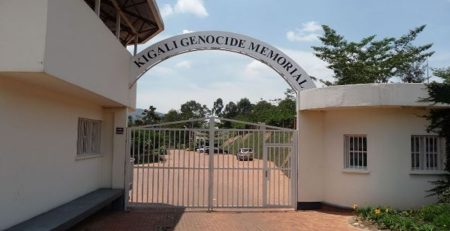
Kigali Genocide Memorial
Start here. The Kigali Genocide Memorial at Gisozi is the final resting place of more than 250,000 victims of the 1994 genocide, and its exhibitions walk you through the history with unflinching clarity, from the colonial roots of division through the hundred days of killing to the long work of justice and reconciliation.
It is a heavy visit, there is no way around that, and most people need a quiet moment in the memorial gardens afterward. Entry is free, with donations welcomed, and the audio guide is excellent. Plan ninety minutes to two hours, and go early in your trip. Everything you experience in Rwanda afterward lands differently once you understand what this country has overcome.
Camp Kigali Memorial
A smaller, quieter site near the city center marks the place where ten Belgian UN peacekeepers were killed on the first day of the genocide, an event that triggered the withdrawal of international forces. The ten stone pillars, one for each soldier, tell a story about the world’s failure that pairs powerfully with the main memorial.
The Presidential Palace Museum (Rwanda Art Museum)
In Kanombe near the airport stands the former residence of President Juvenal Habyarimana, whose plane was shot down over this very garden on April 6, 1994, the spark that ignited the genocide. Wreckage of the aircraft still lies where it fell, which is a strange and sobering thing to see beside a swimming pool. The building now houses the Rwanda Art Museum, filling the old state rooms with contemporary Rwandan and African art, an oddly hopeful combination that somehow works.
Nyamirambo Neighborhood Walking Tour
If the memorials are Kigali’s memory, Nyamirambo is its heartbeat. The city’s oldest and liveliest neighborhood is a colorful, largely Muslim quarter of tailors, barber shops, street food, music, and murals.
The Nyamirambo Women’s Centre runs a famous walking tour led by local women, ending with a home cooked Rwandan lunch, and it is consistently rated among the best experiences in the city. You will visit a milk bar (a genuine Rwandan institution, where men gather to drink fresh milk the way others gather for beer), watch fabric being sewn into kitenge fashion, and taste brochettes grilled over charcoal. Book ahead. It fills up.
Kimironko Market
Kigali’s largest market is everything a great African market should be: mountains of fresh produce, pyramids of passion fruit and tree tomatoes, aisles of vivid kitenge fabric, and tailors who will turn that fabric into a fitted shirt or dress within a day or two. Vendors are used to visitors and bargaining is friendly rather than fierce. Go with a guide the first time, mostly so someone can stop you from buying more fabric than your suitcase can hold.
Inema Arts Center and the Kigali Art Scene
Founded by two brothers in 2012, Inema Arts Center put Kigali’s contemporary art scene on the map, and its studios and galleries in Kacyiru host resident artists, dance troupes, and a lively bar on certain evenings.
Pair it with Niyo Arts Gallery and the craft cooperatives at Caplaki Craft Village, where dozens of stalls sell woven agaseke peace baskets, carvings, and paintings from across the region. The agaseke basket is Rwanda’s signature craft, so distinctive it appears on the national seal.
Question Coffee and Rwanda’s Coffee Culture
Rwandan coffee ranks among the best in the world, grown on volcanic hillsides by hundreds of thousands of smallholder farmers, many of them women’s cooperatives. Question Coffee in Gishushu is the flagship cafe of a program supporting women growers, and their cupping sessions and barista experiences let you taste your way from cherry to cup. Even a simple stop for a pour over between sights doubles as a lesson in the crop that anchors Rwanda’s economy.
Mount Kigali and Fazenda Sengha
For the best view of the thousand hills, ride or hike up Mount Kigali on the western edge of the city. The summit area at Fazenda Sengha offers horseback riding, zip lining, and archery with the whole capital spread out below. Sunset from up here, with the city lights flickering on across ridge after ridge, is the photo you will end up framing.
Eating Your Way Through Kigali
Kigali’s food scene has exploded in the last decade. Try a traditional buffet lunch of ugali, isombe (cassava leaves), ibihaza (pumpkin), beans, and grilled tilapia at a local spot, then brochettes, the beloved goat skewers, at a neighborhood bar in the evening.
Repub Lounge serves refined Rwandan and East African dishes with city views, Meze Fresh does famously good burritos for a quick lunch, and the coffee shops of Kiyovu and Kimihurura could hold their own in any capital on earth. Do not leave without trying ikivuguto, the local fermented milk, at a proper milk bar. It is an acquired taste.
How Kigali City Tours Work
Half day tours of three to four hours typically cover the Genocide Memorial, a viewpoint, and either a market or craft village. Full day tours of six to eight hours add Nyamirambo, the Presidential Palace Museum, lunch, and the art centers. You can tour by private vehicle, on foot neighborhood by neighborhood, by bicycle through the quieter districts, or by moto taxi for short hops, and Kigali’s motos are famously the safest and most orderly in the region.
Prices range from about $30 to $50 US dollars for group walking tours to $80 to $150 dollars for private full day tours including vehicle, guide, entry fees, and lunch. Most Rwanda safari operators include a Kigali city tour on the first or last day of longer gorilla trekking itineraries, and if yours does not, ask for it.
Best Time to Visit Kigali
Sitting at around 1,570 meters, Kigali enjoys spring like weather all year, with daytime temperatures of 24 to 28 degrees Celsius. The long dry season from June to September and the short one from December to February are ideal, though the city works fine in the rains, which arrive as afternoon showers rather than washouts.
If your visit falls on the last Saturday of the month, note that Umuganda community service runs from 8 to 11 in the morning, when shops close and traffic stops. Some tours let you join the community work, which is honestly a brilliant way to meet people. Kwita Izina, the national gorilla naming ceremony held around September, and the Kigali International Peace Marathon in June are worth planning around if the dates align.
Tips
Rwanda is famously orderly, and a few rules matter: plastic bags are banned and will be confiscated at the airport, so pack accordingly. Carry Rwandan francs for markets and small purchases, though cards and mobile money work widely.
Dress is generally smart casual, and Rwandans dress well, so you may want to step it up slightly from safari clothes. English, French, and Kinyarwanda are all official languages, and a friendly Muraho (hello) opens every conversation. Kigali is one of the safest cities in Africa, day and night, and solo travelers, including women, consistently report feeling at ease. Tap water should still be avoided in favor of bottled or filtered.
Combining Kigali with Your Rwanda Safari
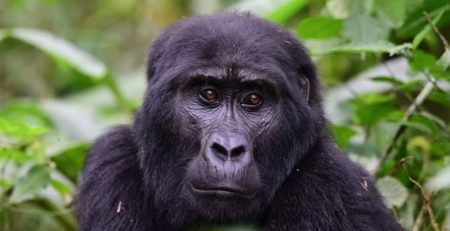
Kigali’s location in the center of the country makes everything reachable. Volcanoes National Park and its mountain gorillas lie just two and a half hours northwest, close enough that some travelers trek gorillas as a day trip from the capital, though overnighting in Musanze is more comfortable.
Akagera National Park, with lions, elephants, rhinos, and boat safaris on Lake Ihema, is two and a half hours east, making a Big Five safari possible within a short break from Kigali.
Nyungwe Forest and its chimpanzees and canopy walkway sit five to six hours southwest, usually broken with a stop at the King’s Palace Museum in Nyanza or the National Ethnographic Museum in Huye.
Many East Africa itineraries also pair Kigali with Uganda, crossing at Cyanika or Katuna to combine Rwandan gorillas or city culture with Bwindi Impenetrable Forest and Queen Elizabeth National Park next door.
Add Your Heading Text Here
Lorem ipsum dolor sit amet, consectetur adipiscing elit. Ut elit tellus, luctus nec ullamcorper mattis, pulvinar dapibus leo.
Add Your Heading Text Here
Lorem ipsum dolor sit amet, consectetur adipiscing elit. Ut elit tellus, luctus nec ullamcorper mattis, pulvinar dapibus leo.





Comment (1)
[…] within its boundaries. This is because the lake is situated within this park. The distance from Kigali city to Akagera National Park is approximately 108 km. More so, the park can be accessed by either road […]