

Tanzania Introduces Mandatory Travel Insurance for Foreign Visitors
Esther2026-09-28T17:06:02+03:00Tanzania Introduces Mandatory Travel Insurance for Foreign Visitors: The Government has announced new regulations requiring foreign visitors entering Mainland Tanzania through land borders, seaports, or airports to have mandatory travel insurance. The requirement has been introduced through the 2026 Inbound Travellers Insurance Regulations, published in the Government Gazette under Government Notice No. 256 of September 4, 2026.
Under the new regulations, affected visitors must have valid inbound travel insurance. The insurance may be purchased before traveling or at the point of entry into Tanzania. A visitor who does not have the required insurance may be denied entry into Mainland Tanzania. The insurance fee has been set at the equivalent of USD $44, payable in Tanzanian shillings through the insurance provider’s payment system. The policy will be valid for a maximum of 92 days from the date of arrival and will allow multiple entries into Mainland Tanzania during that period. Visitors staying for more than 92 days will be required to obtain a new policy.
Citizens of member countries of the East African Community (EAC) and the Southern African Development Community (SADC) are exempt from this requirement.
According to the regulations, the service will be provided by the National Insurance Corporation (NIC) or other registered insurance companies working in partnership with NIC, under the supervision of the Tanzania Insurance Regulatory Authority (TIRA).
The insurance is expected to provide cover for:
- Emergency medical treatment
- Medical evacuation
- Repatriation of a patient or the remains of a deceased person
- Loss of baggage
Coverage limits and claim conditions will be specified in the relevant insurance policy.
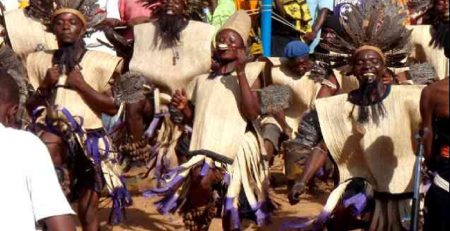
Tanzania has a population of approximately 60 million people and 120 cultural groups. These ethnic groups each speak their own language; they are united by their knowledge Swahili. Swahili is used as the language of communication in the lower courts, primary schools and during parliamentary debates.
English is mainly used for diplomacy, foreign trade, higher courts and in secondary/ higher institution of learning. The capital is Dodoma but Dar es Salaam is far the largest city and it is the country’s commercial and cultural hub with most of the government offices. Tanzania’s economy depends on agriculture and tourism.
Popular Tourist Destinations in Tanzania
Serengeti National Park
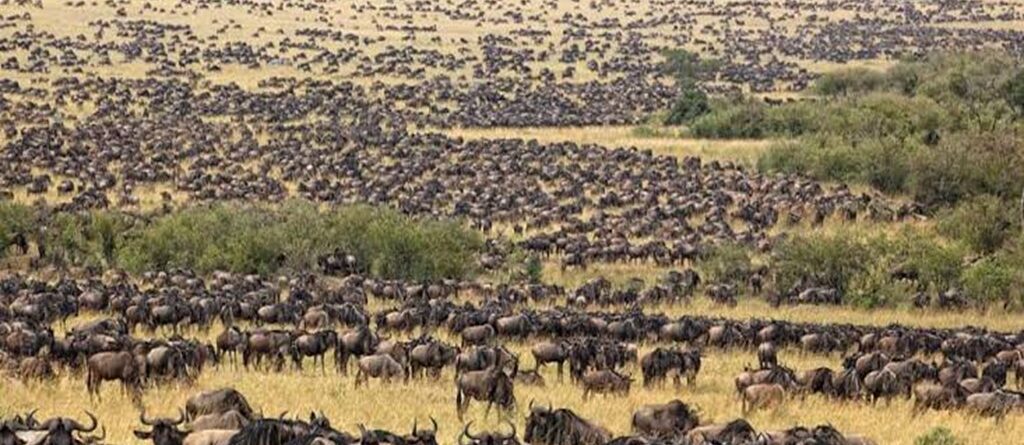
The Serengeti National Park in Tanzania was gazetted in 1952. It is home to the greatest wildlife display on earth ‘The great migration of wildebeest and zebras.’ The impressive inhabitant population of lion, cheetah, elephant, giraffe, and birds. The park has a wide variability of accommodation available ranging from luxury lodges to mobile camps. Serengeti national park covers 14,763 km2.
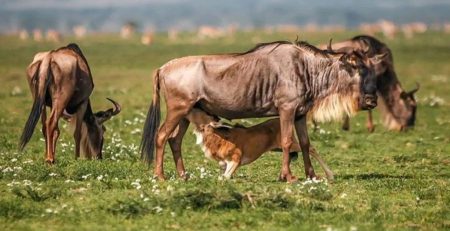
The park features savanna grasslands, acacia trees, woodlands and small forests plus the annual great migration. During the great migration of wildebeest, approximately over 25,000 zebras, 300,000 gazelles and one million wildebeest move around the park and cross over to the Mara River. From June to October, this is the best time to se the great migration whereas December to march are the months where predator to prey activities is at its peak because of the calving season.
Tarangire National Park
Tarangire National Park is one of the most famous national parks of the northern circuit in Tanzania. It’s well-known for its large herds of enormous elephants and huge, ancient baobab trees. Tarangire National Park is the sixth largest national park in Tanzania and it covers a total area of about 2,850 square kilometers. The park gets its name from River Tarangire which crosses the park and it’s a main source of water for the wildlife specifically during dry season.
The park has a good number of wildebeest and zebra, giraffe, buffalo, Thompson’s gazelle, greater and lesser kudu, eland, leopard and cheetahs. It is also the only place in Tanzania where the oryx and gerenuk are regularly spotted. It is also home to nearly 500 species of birds. Among these is the most famous lovebirds that are yellow collared, Kori bustard, the stocking-thighed ostrich, the shy starlings are in plenty and widespread in Tanzania.
Ndutu Plains
The Ndutu plains are situated in the Ngorongoro Conservation Area, on the peripheries of the Southern Serengeti plains. These plains are enhanced with incredible acacia trees, providing a scenic view across Lake Ndutu and Masek at the other end. It is one of the best places in the Ngorongoro Conservation Area to view predators and enjoy the spectacular landscapes. Standing here means you’re in the midst of a calving ground for migratory wild animals, especially the wildebeest migration. It is entirely made of massive bands of short grassland, swamplands, soda-lake Masek, and woodland vegetation that support both residents and migratory animals.
Zanzibar Island.
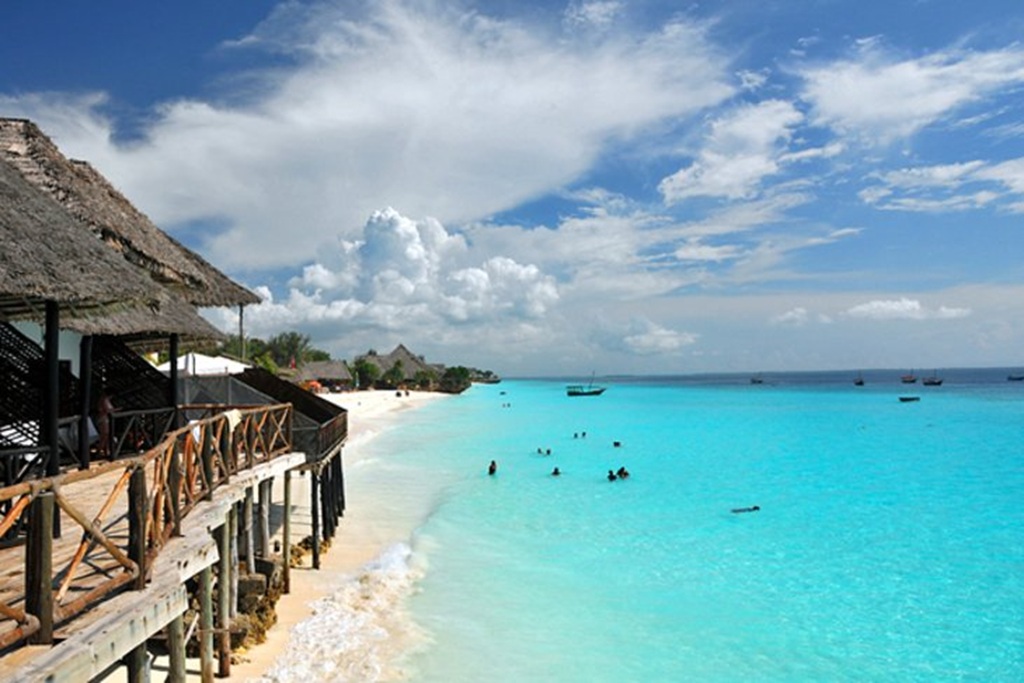
Zanzibar is an archipelago off the coast of Tanzania famous for its amusing history, culture, and primeval beaches. It contains of two main islands, Unguja (commonly referred to as Zanzibar) and Pemba, along with numerous smaller islets.
Zanzibar has a diverse cultural heritage, influenced by African, Arab, Persian, and European elements. This blend of cultures is evident in its architecture, cuisine, and traditions making a unique Tourist Destinations in Tanzania.
Zanzibar boasts some of the most beautiful beaches in the world, with white sands and crystal-clear waters. Zanzibar offers a perfect blend of relaxation, adventure, and cultural exploration, making it a must-visit destination in Tanzania.
Mountain Kilimanjaro.
Mountain Kilimanjaro is a snowcapped inactive volcano with the highest peak in Africa, making it one of the marvellous tourist destinations in Tanzania. The mountain rises up in splendid isolation from the earth’s surface Forming a roof to the surrounding lowlands. The origin of Kilimanjaro’s name is a mystery. Kilima means mountain in Swahili, but njaro might be derive from either the Maasai ngare (water). Kilimanjaro is Africa’s highest peak 5,895m and the tallest freestanding mountain on earth.
Ngorongoro Conservation Area.
Ngorongoro conservation area is a UNESCO Heritage, located next to Serengeti national park and about 180km away from the Arusha city. The area is known for holding a large volcanic crater that has attracted and gave life to a diverse wildlife. The key features of this reserve are a large volcanic caldera which acts as a natural enclosure that keeps most of Africa’s famous wildlife together because of this protective shield and constant water throughout the year, the animals here do not migrate as those of Serengeti. The crater is home to animals like lions, Black Rhinos, leopard, buffaloes, elephants and flamingos. The varied landscape which includes forests, bushes, Savannah grasslands, volcanic features and saline lakes.


Leave a Reply