

Unique Safari Activities to Do in Rwanda
Bujuku Eco Tours2026-07-03T18:33:54+03:00Unique safari activities to do in Rwanda, most visitors come to Rwanda for the mountain gorillas in Volcanoes National Park, and the gorilla trekking in Rwanda is as good as anything in East Africa. But the country does not run out of interest once the gorilla morning is done. By the time you have spent a week moving across the country, from the bamboo slopes of the Virunga mountains in the northwest, down through the tea plantations of the west to Nyungwe Forest in the southwest, across to the savannah and lakes of Akagera in the east, and back through Kigali, you realize that Rwanda is covering a lot of ecological and experiential ground for a country you can cross end to end in under four hours
unique safari activities to do in Rwanda the heart of Africa
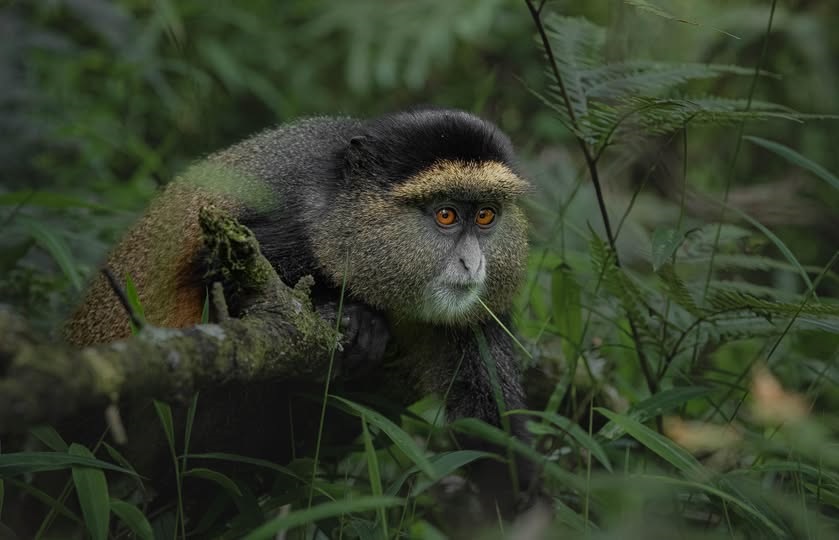
Golden Monkey Trekking in Volcanoes National Park
Most visitors to Volcanoes National Park come for the gorillas and leave without realizing there is a second primate trekking experience on offer that is completely different in character and considerably cheaper.
Golden monkey trekking in Rwanda costs USD 100 per permit and takes place in the bamboo forest at the lower elevations of the park, a habitat distinct from the mid-altitude slopes where the gorilla families range.
The trek departs at 7:00 AM from the same Kinigi briefing point as the gorilla trek and typically takes two to three hours.
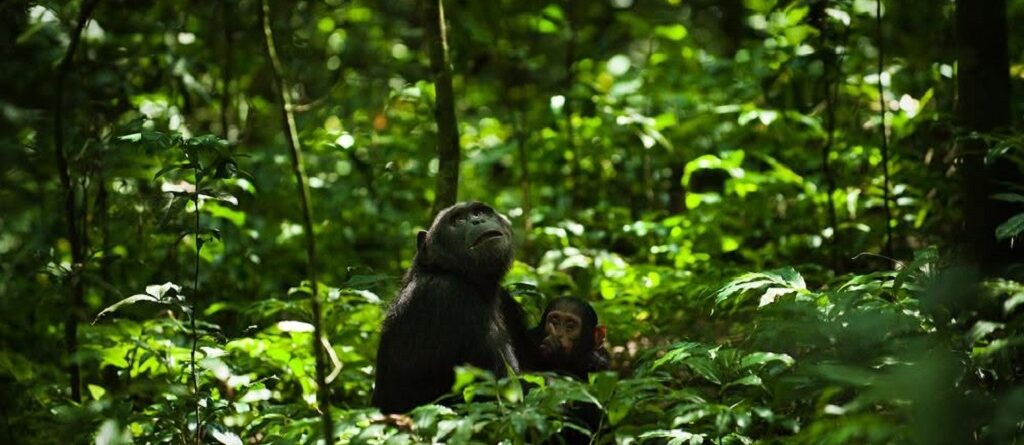
Chimpanzee Trekking in Nyungwe Forest
Nyungwe Forest National Park in Rwanda’s southwest covers 1,019 square kilometres of montane rainforest that is considered one of the oldest in Africa. Its altitude ranges from 1,600 m to 2,950 meters, which creates an unusually rich diversity of habitats within a single forest.
Nyungwe holds thirteen primate species, more than any other park in Rwanda, including chimpanzees, Rwenzori black and white colobus, L’Hoest’s monkeys, owl-faced monkeys, and red-tailed monkeys. Over 310 bird species have been recorded, with a high proportion of Albertine Rift endemics.
Chimpanzee trekking in Nyungwe is the headline activity. Two habituated chimpanzee communities are available for visits: the main Nyungwe group and the Cyamudongo group, which lives in a small isolated patch of forest about forty kilometres from the main park area.
The Nyungwe Forest Canopy Walk
The Nyungwe canopy walk is Rwanda’s most distinctive single activity after the gorilla trek, and it is one of the few things in the country that has no direct equivalent anywhere else in East Africa. A suspension bridge system fifty meters above the forest floor runs through the upper canopy of Nyungwe, giving views across the treetops and down into the forest interior that are completely inaccessible from the ground. The walk covers approximately two hundred meters of suspended bridge and several supporting platforms, and the views on a clear morning, across the rolling canopy to the distant hills and the far edge of the forest, are expansive.
Birdwatching from the canopy level is different from ground-level birding in important ways. Species that spend their lives in the upper canopy, where the branches are thinner and the light is brighter, are genuinely easier to see from the bridge than from below. Sunbirds, hornbills, and several of the forest’s endemic species move through the canopy at eye level when you are on the walk rather than as silhouettes against the sky. The canopy walk operates as a guided half-day activity and is combined by most visitors with a ground-level nature walk through the forest approaches to the bridge.
Big Five Game Drives & Boat Safaris in Akagera National Park
Rwanda’s reputation as a safari destination is overwhelmingly associated with primates and forest. Akagera National Park in the country’s east offers something completely different: open savannah, rolling hills, acacia trees, and a wetland system that supports Africa’s largest protected papyrus swamp.
For visitors coming from Volcanoes or Nyungwe, Akagera arrives as a genuine change of landscape and pace, and the game drives here have a different character from anything else available in Rwanda.
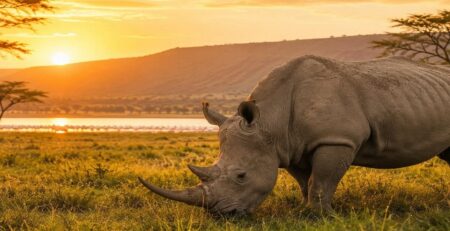
Akagera now reliably offers sightings of lion, leopard, elephant, buffalo, and both black and white rhino on a well-planned two to three days stay.
The boat safari on Lake Ihema, one of the chain of lakes running along the park’s eastern border with Tanzania, is one of the most productive activities in Akagera. The lake holds large hippo pods, Nile crocodiles, and some of the best shoebill stork habitat in Rwanda. The shoebill, one of Africa’s most sought-after birds with a prehistoric bill and a patient, almost statue-like hunting style, frequents the papyrus edges of the lake. A two-hour evening boat cruise covers the shoreline at low light, which is the best time for both hippo activity and bird photography.
Volcano Hiking in the Virunga Mountains
Volcanoes National Park is named for the Virunga chain of eight volcanoes that run along Rwanda’s border with Uganda and the DRC. Most visitors come for the gorilla trek and leave without climbing any of them. That is understandable — the gorilla permit costs USD 1,500 and takes up a full morning — but the volcanic hikes available in the park are independently worthwhile and add a very different kind of physical experience to a Rwanda safari itinerary.
Mount Bisoke, at 3,711 meters above sea level, is the most popular day hike. The trail starts at the park boundary at Kinigi and takes approximately four to five hours for the ascent and three hours for the descent, totalling a full day in the field. At the summit sits a crater lake, Lac du Bisoke, at the rim of the extinct volcano.
The views on a clear day from the crater rim extend north over Uganda and west toward the DRC, and the lake itself, deep blue inside the green crater walls, is one of the more memorable landscapes in Rwanda’s northwest. The hike is categorized as moderately demanding and requires a reasonable level of fitness and waterproof gear.
Mount Karisimbi, at 4,507 meters the highest point in the Virunga’s, is a two-day hike with an overnight camp at altitude.
The summit section involves walking through tussock grass and potentially through snow, and temperatures at the camp drop sharply after dark.
Lake Kivu — Kayaking, Beaches and the Congo Nile Trail
Lake Kivu is situated in the Great Rift Valley on Rwanda’s western border with the DRC and is the sixth-largest lake in Africa.
At 1,460 meters elevation it is considerably higher than most East African lakes, which keeps the climate cool and the water temperature refreshing rather than warm. The lake covers 2,700 square kilometres, is studded with wooded islands, and has a string of small towns and villages along its Rwandan shoreline including Gisenyi in the north and Kibuye in the centre. After several days of forest trekking, the lake is where Rwanda changes register entirely.
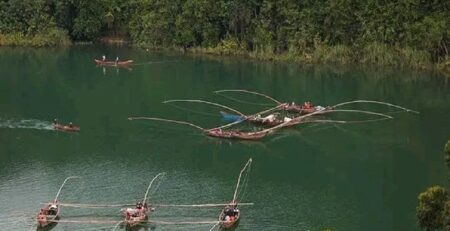
Kayaking on Lake Kivu from Gisenyi or Kibuye is the most popular water activity and gives access to the lake’s small islands, which host bird colonies, fishing communities, and in some cases small guesthouses. A half-day paddle covers several kilometres of the main shoreline and the outer island fringes with time to stop, swim, and watch the sunset light on the water from a point where both the Rwandan hills and the Congolese mountains are visible on opposite horizons.
The Congo Nile Trail runs along the entire Rwandan shoreline of Lake Kivu, covering 227 kilometres between Gisenyi in the north and Cyangugu in the south. The trail can be walked, cycled, or partly completed by kayak and ranges from easy lakeside sections through terraced farmland and fishing villages to steeper forest climbs.
Kigali — City Exploration & Genocide Memorial
Kigali is consistently rated as one of the cleanest and most walkable capital cities in Africa, and it merits at least two days on any Rwanda itinerary rather than being treated as a transit point on the way to the parks.
The city is located on a cluster of hills at around 1,550 meters elevation, and the neighborhood geography, with its market streets, residential districts, restaurant strips, and gallery spaces spread across the hillsides, rewards walking more than most African capitals.
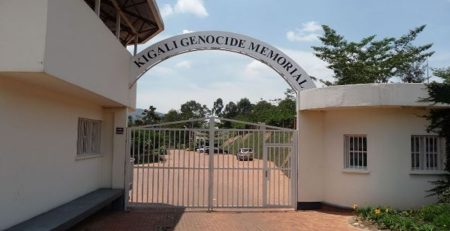
The Kigali Genocide Memorial at Gisozi is the most visited site in the city and one of the most important in Rwanda. Around 250,000 genocide victims are buried in the memorial gardens, and the museum covers the history of the 1994 genocide, the events that led to it, the one hundred days in which approximately 800,000 Tutsi and moderate Hutu were killed, and the aftermath and recovery.
The experience is sombre and takes time to process. Most visitors spend two to three hours here and find it one of the most significant things they do in Rwanda. Visiting is not obligatory, but understanding Rwanda’s recent history is part of understanding the country as it exists today.
Cultural Experiences Around Volcanoes National Park
The Iby’iwacu Cultural Village on the outskirts of Musanze near Volcanoes National Park was established to give former poachers and their families an alternative income through cultural tourism.
It now runs as a community-based enterprise that employs local men and women to demonstrate traditional Rwandan practices: drumming and dance performances, traditional home construction, banana beer brewing, archery, and the work of local healers and storytellers.
The visit is theatrical in the sense that it is organised for visitors, but the people running it are from the surrounding communities and the skill demonstrated is genuine. It works well as an afternoon activity on the day before or after a gorilla trek, and the income goes directly to the community.




Comment (1)
[…] to Rwanda wildlife safari cost, Rwanda has a reputation as an expensive safari destination, and that reputation is both accurate and […]