

Katonga Wildlife Reserve derives its name from the River Katonga, a scenic river located on the Southern boundary. Katonga is found in Kamwenge and Kyenjojo Districts, Western Uganda. By road, it is approximately 235 km away from Kampala. Katonga is one of the least explored reserves and is currently listed among the new National Parks to be created.
Katonga Wildlife Reserve was declared a Game Reserve in 1964. It is one of the significant wildlife corridors for most wildlife that migrate from Western Uganda to Sudan and Tanzania. It became a Wildlife Reserve in 1996 when the former Game Department and Uganda National Parks were merged, and management was taken over by Uganda Wildlife Authority (UWA).
Katonga is part of the Kibale Conservation Area (KCA). The northern end of the Reserve is largely composed of a tract of gently undulating hill. It is the Northern side where the Katonga River is located. Katonga’s vegetation consists of dry savannas, star grass, Rhodes grass, Bermuda, and acacia savanna vegetation. Over 15 sq. km of Katonga is composed of papyrus swamp/wetland (permanent/seasonal wetlands).
The Katonga River flows from the wetlands/swamps of Lake Wamala and feeds Lake Victoria in the East. Its vegetation is still intact, consisting of some patches of riverine and rainforest cover, especially on the Katonga River’s tributaries.
Challenges Faced by Katonga Wildlife Reserve
Katonga is located in the area where cattle rearing is practiced. The reserve is one of the places that has experienced encroachment by cattle keepers and cultivators. Encroachers were evicted in 2014 by UWA with the help of other government security agencies.
Invasive plants species are a major threat, outcompeting native flora, altering habitats, and forcing animals to move in search of food, which can make them more vulnerable to poachers.
Wetland degradation; Human activities like farming, grazing, and harvesting are disturbing the reserve’s wetlands. This ecological disturbance reduces the available natural habitat for wildlife.
River pollution; Industrial runoff and poor waste management along the Katonga River contribute to water pollution. This directly impacts the river’s high biodiversity, affecting amphibians and other aquatic life.
The Geographical Location and Access
Katonga is a charming wildlife reserve in Uganda. It is located between Ibanda and Kamwenge Districts, Western Uganda. Its boundaries also extend towards the Kyenjojo District. Katonga’s signpost is found in Kyegegwa along the Fort Portal route, about 42 km West of Mubende. From Kyegegwa to the Katonga entrance gate is about 40 km, and access is possible through Mparo and Kalwreni. From Kalwreni, Katonga’s gate is 7km. The reserve can also be reached from Kibale National Park through Kamwenge and Ibanda.
Wildlife Species
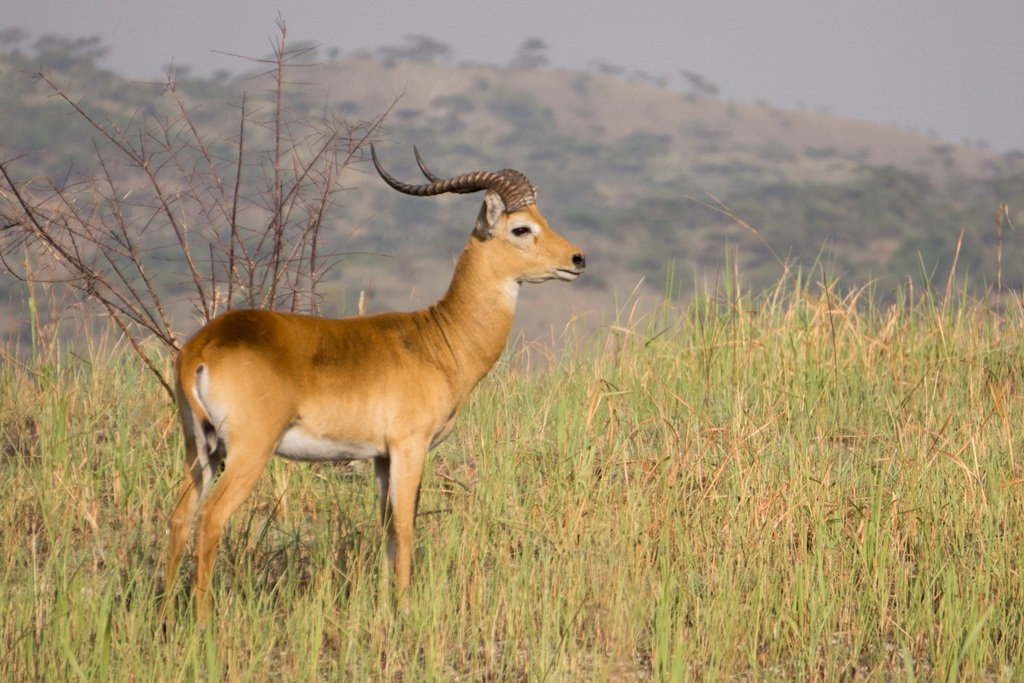
Over 40 species of wildlife, plus 150 birds. The reserve supports wildlife species such as reedbuck, elephants, bushbucks, waterbucks, warthogs, buffaloes, hippos, sitatunga, and otters. Other wildlife to see in Katonga include impalas, hippos, bush pigs, giant forest hogs, and common duikers. Primates in Katonga include vervet monkeys, olive baboons, and black-and-white colobus monkeys.
Katonga hosted topis, zebras, and elands. These were present in the reserve in the 1960s, but currently, they can’t be spotted. But what is interesting is that around 2015, over 60 impalas and 5 zebras were translocated to this Game Reserve. The translocation was primarily to ensure these mammals are restocked and enhance wildlife tourism. Katonga alone protects a total of 300 impalas and more.
Birds
At Katonga, birds to expect to identify include cattle egret, Squacco heron, striated heron, Madagascar pond-heron, purple heron, black heron, little egrets, and dwarf bittern, etc. The presence of these avifauna species makes Katonga one of the ideal bird-watching destinations in Uganda.
Safari Experiences in Katonga
Katonga offers a range of experiences, including nature walks, birding or bird-watching, and game viewing.
Game Viewing Safaris
Guided game viewing features on the top list of unique experiences to enjoy in Katonga. A game viewing tour in Katonga gets you exposed to wildlife such as buffaloes, Uganda Kobs, elephants, impalas, zebras, sitatungas, warthogs, reedbucks, and more. A 4×4 tourist vehicle is recommended for successful game viewing in Katonga.
Nature walking.
Katonga is known for its rewarding nature walks. Explore the various walking trails, each taking you deeper into the different habitats. The nature walks take about half a day, and the trails present in the park include Kyeibale, Kisharara trails, and more. Along the Kisharara trail, you get a chance to wind through the reserve’s main habitats characterized by savannas, grasslands, and wetlands. Kyeibale walking trail introduces visitors to the rock features and forested part of the reserve. This trail also features caves. It is an exceptional nature walking trail in Katonga that shouldn’t be left unexplored.
The Sitatunga nature walk trail features a mixture of wetland and grassland habitats, each presenting a chance for you to spot sitatunga antelopes.
Canoe Tour Excursions
Canoe rides can be enjoyed on the wetlands in Katonga, mostly endowed with water birds and papyrus dwellers. The canoe ride excursions allow you to come across the shoebill stork birds, river otters, and sitatungas. Katonga’s wetland channel extends about 2 km and offers a rewarding canoeing experience. Katonga River also offers great canoeing opportunities while on a Uganda tour in the Katonga Wildlife Reserve. An experienced guide from UWA is allocated to take you on the Katonga canoe ride.
Accommodation Choices to book in Katonga
At Katonga Wildlife Reserve, accommodation options are still limited. Camping is the available option, but there are also alternatives like Katonga View Hotel & Lodge. The lodges close to the reserve include, among others, Igogora Country Resort, Crater Safari Lodge, and Reba Akasha.
When is the best time to go to Katonga Game Reserve?
Katonga’s weather conditions are generally ideal for most safari activities. But game viewing expeditions are excellent during the dry months from June, July, August, or plan your tour from December till February.
For avid birders with plans to embark on the Katonga birding tour, April, May, and November are the ideal months to mark on your travel calendar. Visiting Katonga around these months allows you to identify lots of the migratory species of birds.
Getting to Katonga Reserve, Uganda
Driving to Katonga from Kampala takes about 5-6 hours. There are also options to reach the reserve from Kamwenge, Fort Portal, Kibale National Park, or Queen Elizabeth National Park. You can depart from Kyegegwa to Katonga, which is 41km.
Lastly, Katonga Wildlife Reserve offers an incredible opportunity for game viewing and birding excursions. Katonga wildlife tours can be combined with safaris in other destinations, including Kibale Forest, Queen Elizabeth, Fort Portal, and more. To explore Katonga in depth, consider booking a Uganda tour with Bujuku Eco Tours and Travel.