

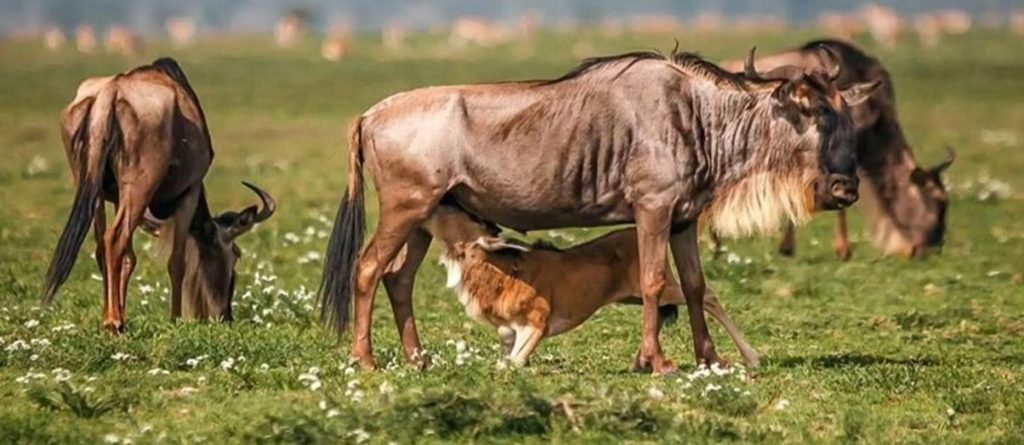
Calving Season in Ndutu Region
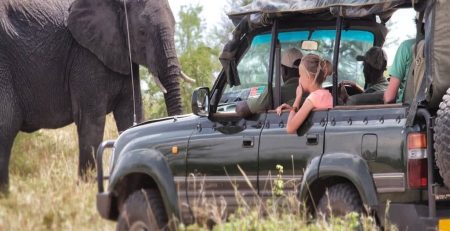
Bujuku Eco Tours2026-01-29T11:03:54+03:00Calving Season in Ndutu Region: The Ndutu region spans the southern part of the Serengeti and the Ngorongoro Conservation Area. The short, nutrient-rich grass makes the area a harbor for newborn zebras and wildebeests, but also a major spot for predators. Besides, it’s the only reserve in Tanzania that allows for off-road driving, offering close up experiences with incredible wildlife.
The Ndutu calving season, a highlight of the Great Wildebeest Migration, occurs from late December to March, with the peak usually in February, when over 500,000 wildebeest and zebras give birth on the nutrient-rich plains of the southern Serengeti; Ndutu area, attracting predators like lions and cheetahs, making it a major for wildlife photography and intense wildlife viewing.
The Ndutu region is situated between the Ngorongoro Conservation Area and the Southern Serengeti, this is the central point of one of the most extraordinary wildlife events in Africa. Each year between January and March, more than 800,000 wildebeest and hundreds of thousands of zebras and gazelles gather on these nutrient-rich volcanic plains to give birth. Nearly half a million calves are born within a few weeks. This seasonal concentration of herbivores creates a rare ecological moment, one that attracts predators from across the ecosystem and offers unparalleled viewing prospects. Travellers looking for a safari that balances raw wildlife behaviour, gentle landscapes, and deep natural scenery, the Ndutu Calving Season Safari is one of Tanzania’s most powerful experiences.

What is Wildebeest Migration Calving Season
Wildebeest Calving is a world wonder spectacle where more than 8000 wildebeest calves are born between the months of January and March in the regions of South Serengeti, Ndutu Conservation Area, and a bit of Ngorongoro Conservation Area.
This is where the wildebeest migration is believed to start from as this is the start of a wildebeest life before facing the challenges ahead of them. As they migrate from south to north of Serengeti and later enter the Masai Mara, they go through challenging terrains, environments, and seasons as well as predators. Wildebeest Migration follows the rain patterns, but most importantly it is their biological clocks.
South of Serengeti offers a very good and favourable environment for more than 8000 wildebeest calves born, while the Masai Mara National Reserve offers the best and most favourable environment for mating in order to give birth while they return to Serengeti South.
The Ecology of Ndutu Region
The ecology of Ndutu is shaped by an extraordinary combination of short-grass plains, fertile volcanic soils, seasonal rainfall, and open visibility. These plains are rich in calcium, phosphorus, magnesium, and, minerals that breast-feeding wildebeest mothers require in high quantities after giving birth. The grasses grow fast after the short rains, creating both high nutrition and perfect visibility. Predators struggle to attack unnoticed because the grass remains short throughout the season. This is the reason why pregnant wildebeest come back to Ndutu every year even when rainfall patterns differ elsewhere. The land also governs the calving grounds. Lake Ndutu and Lake Masek additionally enrich the ecosystem. The neighbouring woodlands habour leopards, hyenas, elephants, giraffes, and uncountable bird species. While swampy areas maintain lasting moisture, enticing herbivores throughout the day. The ecological diversity allows guides to follow movements of the animals, awareness as the herds respond to rain, predation pressure, and grazing conditions.
What is the Best Time to Visit Ndutu region for Calving season
The Ndutu calving season occurs from late December to March. The peak—where births occur most frequently and predator activity intensifies—is February. However, early January often shows the first calves, and late March still delivers strong sightings as older calves grow more confident. Travelers who want birth events, mass herds, and intense predator interactions should aim for late January through late February. Weather during this period consists of warm days, cooler evenings, and occasional short rains that refresh the plains. Cloud cover adds excellent photography light, and the terrain remains accessible due to wide open plains.
The Best Spots to observe the Calving in Ndutu Region
The best spots to observe the calving in Ndutu are the
Ndutu Plains
The Ndutu Plains are an important part of the Serengeti – Ngorongoro ecosystem in Tanzania, renowned for hosting the peak of the Great Migration’s calving season from December to March, where millions of wildebeest, zebras, and gazelles give birth on the nutrient-rich short grasses, attracting ample predators like lions and cheetahs. Situated within the Ngorongoro Conservation Area, bordering the Southern Serengeti, Ndutu offers spectacular landscapes of rolling grasslands, acacia trees, and alkaline lakes such as Lake Ndutu, making it a major location for wildlife photography and all year-round game viewing, even outside the migration.
Gol Kopjes
Gol Kopjes in the eastern Serengeti is an excellent location for spotting wildlife during the wildebeest calving season, well-known for its high concentration of predators like lions and cheetahs hunting newborn wildebeests and gazelles, offering major opportunities for dramatic predator-prey action against the backdrop of its iconic rocky outcrops “kopjes”.
kimondo
As a migration camp, Kimondo moves with the seasons following the wildebeest herds around the Serengeti. From July to October, Kimondo Migration Camp is located in the famous Lamai Wedge near the Mara River, offering guests unmatched access to the world-famous Great Migration crossings. As the migration moves with the seasons, so does Kimondo, relocating its nine tents to the lush grasslands of the southern Serengeti where The Great Migration settles for the calving season.
How to get to ndutu region for the calving season
Getting to Ndutu region for the calving season, one will typically fly into Arusha, Tanzania, then drive about 6 hours or take a short bush plane flight directly to Ndutu Airstrip or nearby Seronera Airstrip for a quicker safari experience. Driving involves passing through the Ngorongoro highlands, while flying saves time, allowing more game drives to witness millions of wildebeest and newborn calves in the Southern Serengeti/Ndutu plains.
By Road (From Arusha);
Drive from Arusha through Mto wa Mbu, Karatu, and the Ngorongoro Conservation Area to get to Ndutu region. The drive will take you at least 6-7 hours from Arusha to Ndutu. This journey offers scenic and breath-taking views, including the Ngorongoro Crater rim.
By Air (Bush Plane);
Take a short bush plane from Arusha or Zanzibar directly to Ndutu airstrip or Seronera Airstrip for a faster safari experience. This mode of transport is the quickest and saves a lot of time maximizing your safari days in the migration and calving areas.


Comment (1)
[…] Ndutu plains are situated in the Ngorongoro Conservation Area, on the peripheries of the Southern Serengeti […]