

Cultural Heritage of the Makonde people
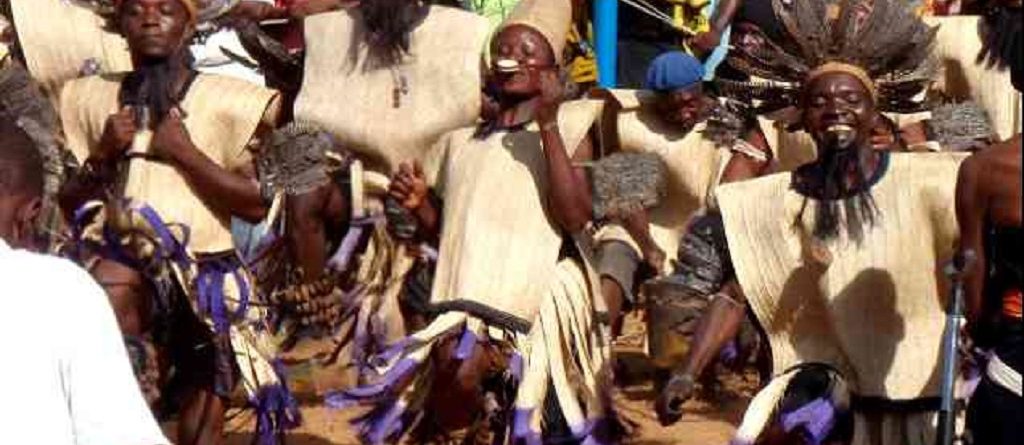
Bujuku Eco Tours2026-05-01T10:19:14+03:00Cultural Heritage of the Makonde people. Who is the Makonde tribe? The Makonde are an ethnic group in southeast Tanzania, northern Mozambique, and Kenya. The Makonde people is an ethnic group that lives in a few parts of Africa with bantu speaking origin. The Makonde people regard wood as a crucial part of their cultural and spiritual lives, as it is a basic material in daily life, but also in creative practice. Traditionally, wood has been used for the building of houses, to carve ritual figures and masks for initiation rites, and to create sculptures of fertility and lineage.
What is the Religion of Makonde people
The Makonde people have believed in ancestral worship for many years but as generations transition, they have initiated islam and Christianity. However, they still have a strong belief and practice Animism which make them worship wooden sculptures and making traditional rituals.
Each settlement has a hereditary headman and an advisory council of elders. The Makonde lack a more embracing political structure, each settlement being independent. Though they have been under heavy Muslim influence for a very long time, few have converted to Islam.
Cultural heritage of the Makonde people and behaviors.
The Makonde maintain an active system of witchcraft and sorcery, sustained by people willing to pay for these services. Magic plays an influential role in local culture, politics and economics. Makonde sorcerers are often community leaders and are feared and respected as healers and protectors.
They are frequently accused of murder and cannibalism, and are known to sometimes draw people away from seeking medical attention or contacting the police, when trust in healing and magic outweighs confidence in Western medicine or law enforcement. Recently, Makonde sorcerers have been accused of trafficking in human organs or bones for use in the preparation of magical substances.
The Makonde see life-as-a-force as a continuum that joins the living with the dead in a connection that can lead to illness and misfortune if balance is disturbed. Through magic, ritual, and education, acts are done to protect the individual and produce harmony in the set of relations that constitute this connected and spiritual life force. At the core of these rituals is a spirituality-based worldview.
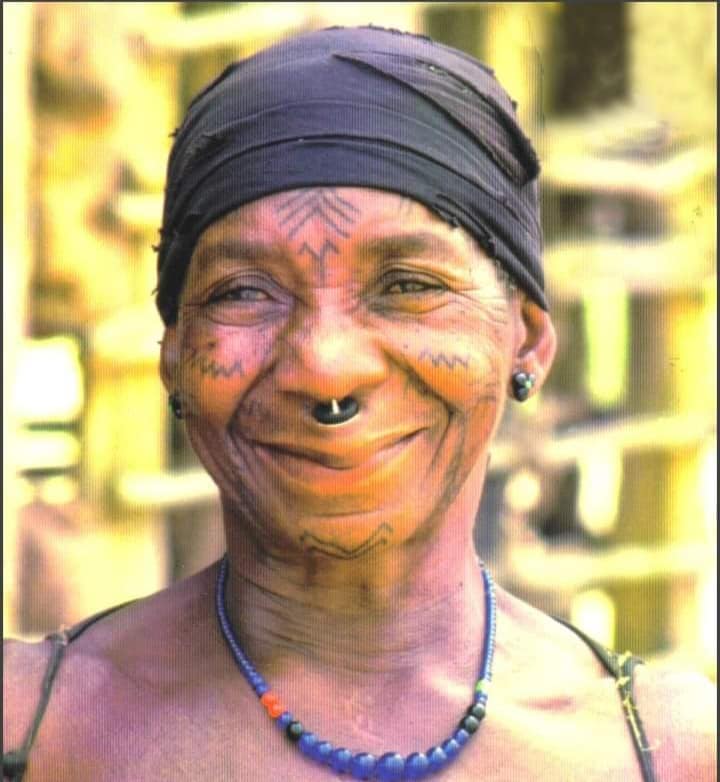
The Makonde people regard wood as a crucial part of their cultural and spiritual lives, as it is a basic material in daily life, but also in creative practice. Traditionally, wood has been used for the building of houses, to carve ritual figures and masks for initiation rites, and to create sculptures of fertility and lineage. They also practice body tattoo making that carries a strong spiritual belief for both Makonde men and women.
Language of the Makonde people
Makonde people speak a bantu language closely related to Yao called chimakonde or Makonde. in Tanzania they speak English, Makonde in Mozambique speak Portuguese, Swahili and Makua in both countries.
When is the best time to visit Makonde people
Makonde people can be visited anytime of the year in Tanzania, Mueda plateau between Mtwara and Lindi region. The trails are dry from December, January, February, June, July and august while the wet season with rains starts from march, April, may, September, October and November. Tourists visit the Makonde tribe to learn about their culture and buying their art work.
Other tribes in Tanzania
Tanzania is one of the countries in Africa with many tribes hosting over 120 tribes. Apart from the Makonde tribe, others include;
The Hehe
The Hehe tribe is found in south-central Tanzania, in the Iringa region, the Hehe are a mainly Christian tribe with their own language, Hehe. They have been acknowledged for their fierce, warrior-like reputation, as they are believed to have resisted German forces during colonisation.
It is estimated that more than 1.5 million Hehe still live in Tanzania today, many of whom reside in kinship-based communities. They are a Bantu ethnolinguistic group traditionally living in remote areas. However, with ongoing modernisation, some have migrated to semi-urban locations.
Farming plays a major role in their daily lives, with beans and maize among their most common crops, alongside cattle rearing. Their communities are easily recognisable by their distinctive U-shaped houses, which are primarily constructed from mud.
The Chagga
The Chagga is found in the north part of Tanzania but moving west to the foot of Mount Kilimanjaro, much of which the Chagga people occupy. Among the major tribes in Tanzania, the Chagga have been living here for around 400 years. Today, there are around two million Chagga people, some of whom have moved to larger cities like Arusha.
At the time of their arrival on the mountain’s slopes, many of the Chagga people were divided in terms of language and beliefs. They spent years at war with one another but eventually united when Germany colonized Tanzania in the late 18th century.
Because of their access to Mount Kilimanjaro’s fertile volcanic soils and efficient farming methods, the Chagga became the richest of all Tanzania’s tribes. Although they grow beans, bananas and maize – their Arabica coffee brings in most of the tribe’s earnings.
Family and schooling are the most treasured aspects of life for the Chagga people, who are also the most educated tribe in Tanzania.
Traditionally they believe in superstition and witchcraft, the Chagga became predominantly Christian after visits from missionaries throughout the 19th century.
The Gogo
Gogo tribe is a Bantu ethnic group that inhabits central Tanzania in Dodoma region. But it is believed that their origin is in Nubia, Sudan. The Gogo name was invented sometime in the 19th century by the Nyamwezi caravans passing through the area while it was still frontier territory. In Kiswahili they are called Wagogo.
In the 18th century the Wagogo were mostly pioneer colonists from South Sudan then Unyamwezi and Hehe, and are often confused with the Sandawe and the Kaguru. Half the ruling group came from Uhehe. They had a long tradition of hunting and gathering, allowing the Nyamwezi to carry the ivory to the coast, but had become agriculturalists with cattle by 1890. They continued, however, to have a low regard for working the land and are said to have treated their agricultural slaves badly.
Conclusion
Africa is the most continent with the highest number of tribes and ethnic groups. It boasts over 3,000 tribes and 2,000 different languages spreading across 54 countries. Africa is termed as the cradle of mankind.




Leave a Reply