


Packing List for a Uganda Safari: Everything You Need and anything You Don’t Need.
Bujuku Eco Tours2026-07-02T19:47:59+03:00Most people planning a Uganda safari spend months thinking about the gorilla permits, the lodges, the parks, and the itinerary. The packing list gets done in the final week, often at midnight, in a mild panic.
Packing well for a Uganda safari is not complicated. It does not require expensive specialist gear or a suitcase that weighs as much as a baby elephant. What it requires is knowing what Uganda’s environment actually demands and Uganda demands quite a lot.
This guide covers everything you need for a Uganda safari in honest, practical terms. What to wear, what to carry, what to leave at home, and just as importantly the specific things that first-time Uganda travelers always forget and always regret.
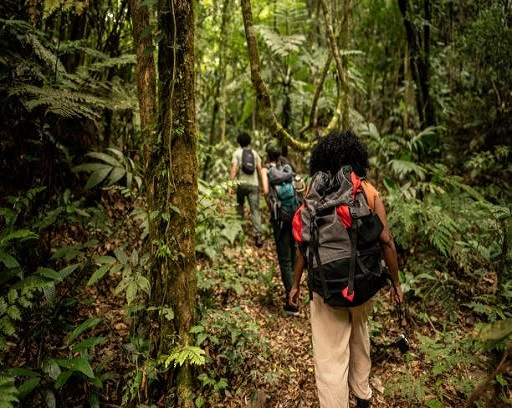
Clothing for a Uganda Safari
Get the clothing right and everything else on a Uganda safari is easier. Get it wrong and you will spend the most important wildlife hours of your trip thinking about your wet socks or the scratch from a stinging nettle that your short-sleeved shirt did nothing to prevent.
The Color Rule
This comes up every time and it is worth explaining properly rather than just stating it as a rule. Neutral colors khaki, olive, tan, brown, forest green, and grey is the correct choice for all active safari activities in Uganda. This is not about blending in aesthetically. It is about two specific practical problems.
First, black and dark blue clothing attracts tsetse flies, which deliver a bite that is uncomfortable and potentially problematic. Tsetse flies are present in Queen Elizabeth and several other Uganda parks. Second, bright colors oranges, reds, yellows, white startle wildlife at close range and can cause animals to move away from you, reducing the quality of your encounter. For gorilla trekking, the rangers specifically ask you to dress in muted tones. For chimpanzee tracking in Kibale, the same applies. Save the colorful clothing for lodge dinners.
What Clothing to Pack
Long-Sleeved Shirts
Pack three to four lightweight, long-sleeved shirts in neutral colors. The sleeves protect your arms from stinging nettles, thorny branches, insect bites, and sun exposure all of which are daily realities on a Uganda forest trek.
Long Trousers
Two to three pairs of long trousers cover a Uganda safari comfortably. Zip-off convertible trousers the ones that detach at the knee to become shorts are genuinely useful on a circuit that takes you from cold forest mornings to warm savannah afternoons in a single day. For gorilla trekking specifically, nylon or polyester trousers are better than denim. Jeans are heavy, dry slowly, and offer limited flexibility on steep terrain. They are also cold when wet, which in a rainy forest is not a comfortable combination.
Fleece or Lightweight Down Jacket
You need a mid-layer that provides genuine warmth for the cold mornings and evenings at Bwindi and Mgahinga. A lightweight fleece pullover or a down jacket that packs small is ideal. This goes on top of your long-sleeved base layer before the morning trek departs at around 7am, when the temperature at Bwindi can be as low as 10 to 12°C. As you climb and the body warms up, it comes off and gets tied around your waist or stuffed in your daypack.
Waterproof Outer Layer
This is non-negotiable. A waterproof jacket not water-resistant, not showerproof, actually waterproof is one of the most important things you pack for a Uganda safari. Bwindi’s forest produces rain at any time of year. Queen Elizabeth’s rain showers can arrive from nowhere in the afternoon. Kibale’s humidity alone can soak a non-waterproof fabric in under an hour. The jacket needs a hood and needs to pack down small enough to fit in your daypack.
Safari Shorts
Pack one or two pairs of shorts for game drive days in the lowland parks and for wearing around the lodge in the evenings. Not suitable for forest treks or chimp tracking, where long trousers are required for protection. Comfortable for the Murchison Falls and Queen Elizabeth game drives where the daytime heat makes long trousers unnecessarily warm.
Socks
Bring more socks than you think you need. On a Uganda forest trek, wet socks are almost inevitable either from sweat, rain, or stream crossings. A dry pair waiting at the lodge at the end of the day is genuinely one of the best things you will encounter. Pack four to six pairs of good-quality hiking socks, preferably wool or merino wool, long enough to be tucked over the bottom of your trousers.
Base Layer Thermals
One set of lightweight thermals for cold highland evenings at Bwindi and Mgahinga. These do not need to be heavy just enough to add warmth under your sleeping clothes or worn on the early morning drive to the park gate.
Underwear
Quick-drying synthetic or merino wool underwear for trekking days. Sports bras for women are a more comfortable choice than underwired versions on the steep climbs. Pack enough pairs for the length of your trip most lodges offer laundry service, but turn-around times vary.
Footwear for a Uganda Safari
Footwear is where more Uganda safari experiences go wrong than anywhere else on the packing list. The Bwindi trail can be steep, muddy, root-covered, and technically demanding. The wrong shoes turn a rewarding trek into a miserable one. The right shoes are something you genuinely do not notice because they are just doing their job.
Hiking Boots
For the gorilla trek at Bwindi, Mgahinga, or any forest walk in Uganda, proper ankle-supporting hiking boots are not optional. They need to be waterproof, have a proper grip sole (Vibram or similar), and this part is critical be fully broken in before you travel. New boots on a Bwindi trek will produce blisters within the first two hours. We have seen clients turn back from gorilla treks because of new boot blisters. Do not let this happen to you.
Camp Shoes
A pair of lightweight sandals, flip-flops, or comfortable trainers for wearing around the lodge, at dinner, and on days without forest treks. Your hiking boots will be wet or muddy after the trek and will need to dry overnight. You need something else to wear. This is one of those things people leave behind to save luggage space and then regret the first evening.
Gaiters
Gaiters are one of the most underrated pieces of Uganda gorilla trekking kit and are almost universally loved by anyone who uses them for the first time. They strap over your boot and extend up the leg, creating a sealed barrier between the trail and your boot and sock. On a Bwindi trail where mud, water, and safari ants are present, gaiters keep your feet dry, clean, and ant-free in a way that nothing else can. Pack them. They add almost no weight and fold flat.
Essential Gear and Accessories
Daypack
A 20 to 30 litre daypack is what you carry on the gorilla trek. Large enough for water, snacks, a rain jacket, camera, and first aid essentials. Small enough not to become a burden on steep terrain. Waterproof or with a rain cover your bag will get wet. If you hire a porter (which we always recommend), they will carry this for you, which removes the weight concern almost entirely. The porter’s fee is typically around $20 and it is money very well spent.
Water Bottles and Hydration
Bring a minimum of two litres of water for the gorilla trek. The climb in Bwindi is real and the humidity is high dehydration is a genuine issue if you do not drink consistently throughout the hike. A refillable water bottle or a hydration bladder that sits in your daypack are both good options. Your lodge will fill water containers the evening before the trek. Some operators provide water for trekkers as part of the package confirm this in advance so you know how much to carry from the lodge.
Trekking Poles
Optional but genuinely useful for the gorilla trek, particularly on the descent. Bwindi’s trails go down as well as up, and on wet clay paths the descent can be technically awkward without a pole for balance. A single collapsible trekking pole is enough most people find one more useful than two in the forest, where you also need a hand free for holding branches and steadying yourself. The rangers carry machetes and will help clear trail and offer a hand at difficult points, but a pole adds your own independent stability.
Headlamp or Torch
Essential. Power outages at lodges are common in rural Uganda, particularly near the national parks. A headlamp is more practical than a torch because it keeps both hands free. You will use it on early pre-dawn wake-ups, walking between lodge buildings in the dark, and during power cuts. Bring spare batteries or check it is rechargeable and charge it the night before.
Binoculars
For game drives at Queen Elizabeth, Murchison Falls, Kidepo, and Lake Mburo, binoculars transform the experience. The difference between seeing an animal at 200 meters and understanding what it is doing at 200 meters is a pair of 8×42 binoculars. Compact 8×42 or 10×42 are the most versatile. For birdwatching Uganda has over 1,060 bird species binoculars are not optional, they are fundamental. Do not rely on your guide’s pair. They will be looking through them most of the time.
Camera and Photography Gear
Uganda is one of the great photography destinations in Africa. The gorilla encounter, the Murchison Falls, the Kazinga Channel hippos, the Kibale chimps each one is a scene that rewards a good camera. A few specific points for Uganda:
- Flash photography is strictly prohibited during gorilla trekking. The bright flash startles and disturbs the gorillas. Use a camera body that performs well at high ISO for natural low-light forest shots.
- Long lenses (200–400mm) for game drives. Animals in the open savannah parks are often at distance. A zoom lens gives you the reach you need from the vehicle.
- Bring more memory cards and batteries than you think you need. There are no camera shops near Bwindi. If your battery dies on trek day, the trek goes on without it.
- A dry bag or waterproof case for camera gear. The forest is wet. Your camera cannot afford to be.
- Power bank for charging. Lodges charge equipment overnight but a power bank lets you top up on long game drive days away from the lodge.
Gloves
Pack a pair of lightweight work gloves or gardening gloves for the gorilla trek. This sounds unusual until your guide explains why. The Bwindi Forest contains stinging nettles, thorny vines, and sharp branches that you will inevitably need to grab for support during the climb. Bare hands on a nettle patch are very unpleasant. Gloves allow you to grab onto vegetation confidently without the sting. They also keep fingers warm in the cold forest mornings. Lightweight cotton or leather work gloves are fine nothing heavy or restrictive.
Hat and Sunglasses
A wide-brimmed hat for game drives in the open parks sun exposure from an open-topped vehicle is significant and most people underestimate how much direct sun they receive on a full-day game drive. A buff or neck gaiter for dust on open savannah roads. Polarized sunglasses cut the glare on boat safaris (Kazinga Channel, Murchison Falls River cruise) and on open game drive roads.
Health, Hygiene, and Medical Essentials
Uganda is a country that requires a few specific health preparations that you cannot leave to the last minute. Get these sorted at least six weeks before departure some vaccinations and medications need time to take effect.
Yellow Fever Vaccination
A valid yellow fever vaccination certificate is mandatory for entry into Uganda. Without it, you will not be allowed into the country. The vaccination takes ten days to become effective, so this cannot be left to the week before travel. Carry the original certificate (the yellow international vaccination booklet) with you throughout your trip you may be asked to show it at the border and at some park gates.
Malaria Prophylaxis
Uganda is a malaria-endemic country. Antimalarial medication is strongly recommended for all travelers. The three most commonly prescribed options are Malarone (atovaquone-proguanil), Doxycycline, and Mefloquine discuss the right one for you with your travel health clinic or GP at least four to six weeks before departure, as some need to be started several weeks before travel. Take the full course including the days after you return home.
In addition to antimalarials, use a DEET-based insect repellent with at least 30% DEET concentration on all exposed skin at dawn and dusk. Wear long-sleeved clothing and long trousers in the evenings.
Face Mask for Gorilla Trekking
A face mask is required by law when you are in the presence of mountain gorillas. Mountain gorillas share 97% of human DNA and are highly susceptible to human respiratory illnesses a common cold passed from a tourist to a gorilla family can spread rapidly through the group with serious consequences for individual animals. Rangers enforce the mask rule at the point of contact, but bring your own mask to wear throughout the trek rather than relying on what is provided.
First Aid Kit
Medical facilities near Uganda’s national parks are limited. Your lodge will have a basic first aid kit and most operators carry one in their vehicles, but your own small personal kit covers the daily incidents that the lodge kit may not. Pack:
- Blister plasters and standard adhesive plasters
- Antiseptic cream or wipes for trail cuts and scratches
- Pain relief — ibuprofen or paracetamol
- Antihistamine tablets and cream for insect bites and stings
- Oral rehydration salts — useful for dehydration after a long trek in humidity
- Personal prescription medications — bring enough for the full trip plus a few extra days
- Hand sanitizer — useful before the gorilla trek and after safari vehicle stops
- Tweezers — for thorns and the occasional tick
- Imodium or anti-diarrheal tablets.





Leave a Reply