

Cultural Tours in Rwanda: Discover the Heart and Soul of the Land of a Thousand Hills
Bujuku Eco Tours2026-07-05T22:32:48+03:00Rwanda’s cultural tourism scene is not a set of heritage sites preserved behind glass. It is living, evolving, and directly connected to the people who carry the country’s traditions forward every day.
This guide covers Rwanda’s cultural tours comprehensively the historical sites, the community experiences, the crafts, the performing arts, the memorials that no visitor should skip, and the ways to combine cultural tourism with the gorilla trekking and wildlife experiences that bring most international visitors to Rwanda in the first place. Rwanda rewards depth, and its cultural dimension is where that depth most clearly shows.
Best cultural tours in Rwanda
Kigali
Every Rwanda cultural tour starts in Kigali, and Kigali rewards the time most visitors give it. The city is consistently rated as one of the cleanest, safest, and most organized cities in Africa a fact that surprises visitors who arrive expecting a developing-world capital and find instead well-maintained roads, effective public services, a thriving food scene, and a creative arts community that is generating some of the most interesting work in East Africa.
A proper Kigali cultural day takes you through at least three distinct registers: the weight of the Genocide Memorial in the morning, the vitality of Namirembe in the afternoon, and the art scene in the evening. Between them, these three experiences give you a more complete sense of what Kigali actually is than any number of city overview tours can provide.
The Kigali Genocide Memorial
The Kigali Genocide Memorial at Gisozi is the burial site of over 250,000 genocide victims and serves simultaneously as a place of remembrance, an educational institution, and a document of how Rwanda is approaching the task of ensuring that the genocide is never forgotten and never repeated. It is not easy to visit. It is also not optional, in our view, for anyone who wants to understand the Rwanda they are travelling through.
The memorial’s interior exhibitions cover three main areas: the genocide itself, including its historical roots in colonial ethnic engineering and the events of the 100 days; the international community’s failure to intervene; and a third hall dedicated to children killed in the genocide, which is the most difficult room in the building and the one most visitors emerge from in silence. The garden memorial outside, where the mass graves are marked, extends the experience into the landscape. The whole visit typically takes two to three hours and requires some recovery time afterwards.
Nyamirambo
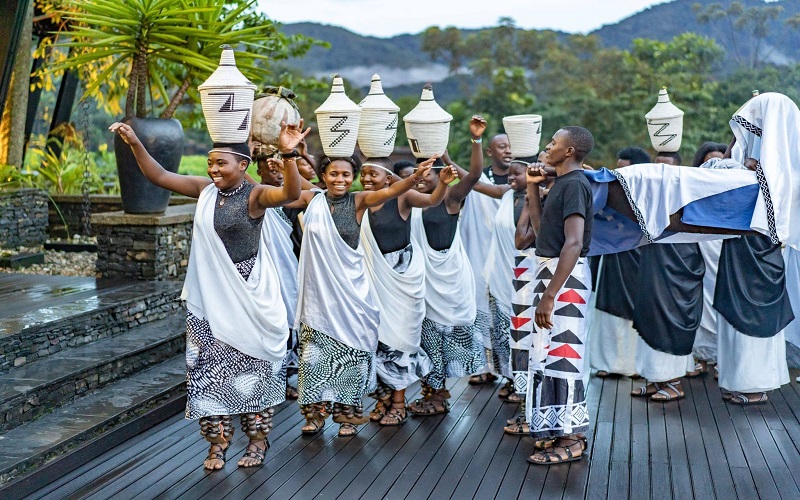
Nyamirambo is not the Kigali that appears in the MICE tourism brochures or the infrastructure investment prospectuses. It is the older, noisier, more textured Kigali of street food vendors and mosque minarets and small workshops and women carrying baskets on their heads and men arguing about football at the roadside. It is the neighborhood where Kigali actually lives, and it is the best single place in the city to understand what ordinary urban Rwandan life looks and feels like.
Inema Arts Center
The Inema Arts Center in the Kacyiru neighborhood of Kigali is Rwanda’s most significant contemporary arts space, and it is one of the most vibrant places in the city for an evening or a late morning. Founded by brothers Innocent and Emmanuel Nkurunziza, Inema started as a small studio space and has grown into a hub for painting, sculpture, dance, music, and visual arts that draws both Rwandan and international artists.
The gallery space holds rotating exhibitions of works that engage directly with Rwandan history, identity, and the creative energy of a generation growing up post-genocide. The works are not exclusively traumatic or historical much of what you see at Inema is joyful, playful, and formally inventive. But the best of it carries a weight that comes from being made in a country were making art means something specific about who you are and where you come from.
Kimironko Market
Kimironko Market is Kigali’s largest general market and one of the best places in the city to spend a morning if you want to understand how Kigali actually functions at street level. The market covers an enormous area and sells everything from fresh produce and second-hand clothes to locally made crafts, printed fabrics, mobile phone accessories, and the kind of small domestic goods that reveal how people actually live.
Iby’iwacu Cultural Village
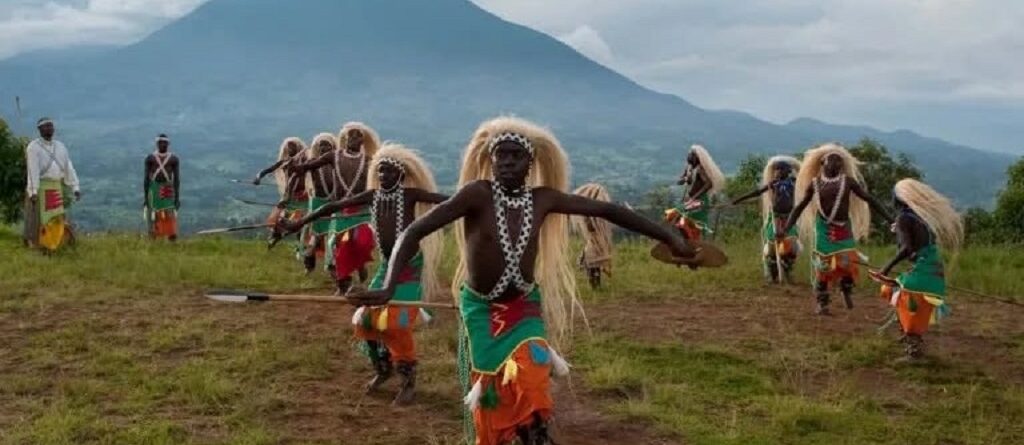
The Iby’iwacu Cultural Village near Kinigi, at the entrance to Volcanoes National Park, is the most comprehensive single cultural experience available in Rwanda and the natural partner to a gorilla trekking day at Volcanoes. It was established initially as a community project to provide income for former poachers and their families after anti-poaching programmes removed their main livelihood, and it has grown into one of East Africa’s most interesting community tourism operations.
Nyanza Royal Palace
Nyanza, approximately 88 kilometers south of Kigali in the Southern Province, is the site of Rwanda’s most significant royal heritage museum and one of the most worthwhile half-day excursions from the capital. The town served as the seat of Rwanda’s Mwami (king) for centuries, and the museum complex includes both the traditional royal palace and the Belgian-built modern palace constructed for King Mutara III in 1931.
Ethnographic Museum, Huye
The Ethnographic Museum in Huye formerly known as Butare, in Rwanda’s Southern Province is one of the finest ethnographic museums in Africa and the best single place to understand the full breadth of Rwanda’s material culture, historical traditions, and social organization before colonialism changed everything. The museum was a gift from the Belgian government on Rwanda’s 25th independence anniversary in 1987, and its seven galleries house one of the most comprehensive collections of Rwandan cultural objects in existence.
The galleries cover traditional tools and farming implements, musical instruments, pottery and ceramics, traditional beer-making equipment, hunting and fishing technologies, traditional dress and body ornamentation, and the architectural models that show how different types of Rwandan homesteads were structured for different social positions and family configurations. The oral tradition gallery is particularly interesting it documents the poetic forms, proverbs, riddles, and historical narratives that were the primary knowledge-transmission system in a culture that did not use writing.
The Gorilla Guardians Village — Conservation Meets Community
Near the entrance to Volcanoes National Park, the Gorilla Guardians Village is a community initiative led by former poachers who now work as conservation ambassadors for the mountain gorilla. The project was established on the recognition that the most effective conservation advocates are often the people who once posed the greatest threat to the wildlife, and the Gorilla Guardians’ story told in their own words at the village is one of the most striking cultural encounters available anywhere near Volcanoes National Park.
A visit to the Gorilla Guardians Village takes you into the community members’ homes, where they share the story of why they poached poverty, lack of alternatives, cultural traditions of forest resource use that predated the national park and how the combination of economic alternatives through tourism and a genuine change in understanding of the gorillas’ value led them to abandon poaching and become active defenders of the same animals they once hunted.
Combining Cultural Tours with Rwanda's Wildlife Experiences
The natural partner to a Rwanda cultural tour is gorilla trekking at Volcanoes National Park, and most well-designed Rwanda itineraries integrate cultural experiences at both the Kigali end and the Volcanoes end of the trip. Here is how the two most common combinations work in practice.
5-Day Kigali and Volcanoes Cultural and Gorilla Tour
Day 1: Arrive Kigali. Afternoon Nyamirambo walking tour with the Women’s Center. Home-cooked dinner with the group at the center.
Day 2: Morning Kigali Genocide Memorial (allow three hours). Afternoon Inema Arts Center exhibition and optional Intore performance. Evening at a Kigali restaurant specializing in contemporary Rwandan cuisine.
Day 3: Drive to Musanze (gateway to Volcanoes National Park). Stop at the Ethnographic Museum in Huye if taking the southern route, or Caplaki Craft Village on the Kigali to Musanze road. Arrive Musanze. Evening at lodge.
Day 4: Gorilla trekking at Volcanoes National Park. Afternoon Iby’iwacu Cultural Village visit Intore dance, traditional cooking, community walk.
Day 5: Morning golden monkey tracking at Volcanoes NP ($100 per person). Afternoon Gorilla Guardians Village visit. Return to Kigali. Departure.
7-Day Rwanda Cultural and Wildlife Circuit
Days 1–2: Kigali. Genocide Memorial, Nyamirambo tour, Inema Arts Center, Kimironko Market for Agaseke baskets.
Day 3: Drive south to Huye. Ethnographic Museum morning. Continue to Nyungwe Forest National Park.
Day 4: Nyungwe Forest. Chimpanzee trekking or canopy walkway. Afternoon at Kitabi Cultural Centre near Nyungwe for traditional dance and craft workshops.
Day 5: Drive north via Nyanza Royal Palace. Guided tour of palace and Inyambo cattle. Continue to Musanze.
Day 6: Gorilla trekking at Volcanoes National Park. Afternoon Iby’iwacu Cultural Village.
Day 7: Gorilla Guardians Village morning. Drive or fly to Kigali for departure.


Leave a Reply