

Ankole Long Horned Cattle Experience in Uganda
Bujuku Eco Tours2026-02-20T13:09:53+03:00Ankole Long Horned Cattle Experience in Uganda: The Ankole long-horned cattle are an indigenous Ugandan cattle breed known for their remarkable long, curved horns and resilience to harsh conditions. They are treasured for their cultural importance, beauty, and tender meat. They are an iconic symbol of the Ankole people of south western Uganda and a Ugandan heritage.
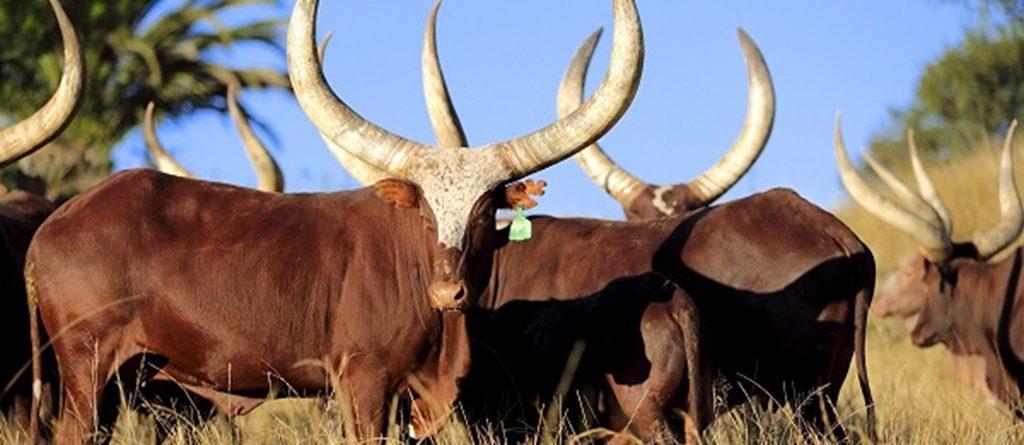
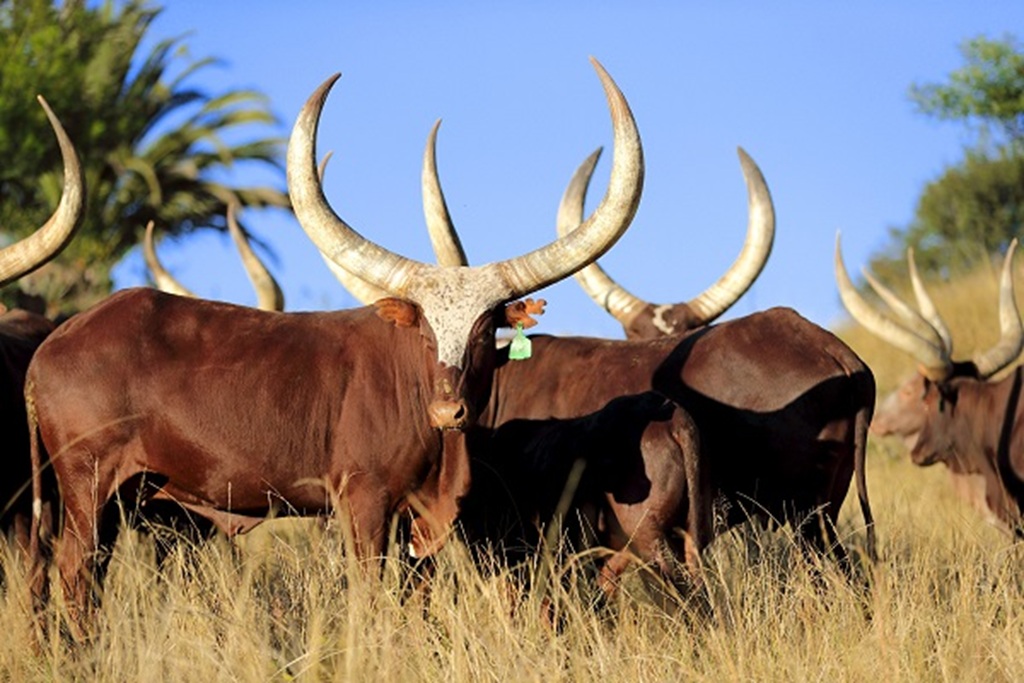
Ankole Long-Horned Cattle have a dark brown coat and long white horns that curve outwards and then up, in the shape of a lyre. These cows are majestic and elegant able to move very long distances in search of water and pasture. This breed of cattle was once considered the incarnation of divine beauty, a yardstick for women and worriers among the banyankole of Uganda. The lives of the Ankole people wholly depended on these cows. The cattle provided food in form of meat and milk for domestic consumption. They provided a vibrant source of food when there was no food available for the herders particularly in times of famine.
The cattle were hardly slaughtered for meat, except for ceremonies such as the coming of adulthood, the funeral of a beloved one. Even when slaughtered, it was offensive to slaughter a young or healthy cow. Slaughtering a healthy cow was the equivalent of unliving a fellow human being. In this case, only the infertile, sick or old cows were slaughtered for meat. The herdsmen hardly ate meat but, on some occasions, they would drain some blood and mix it with milk to make a yogurt-like high protein drink.
The importance of Ankole Long-Horned Cattle
Cultural & Social Importance
They are central to cultural rituals, including ceremonies, and are a primary form of bride price, strengthening social bonds and wealth. The animals are respected and often named based on their physical traits. Owning a large herd of Ankole cattle is considered a mark of wealth and social standing among the banyankole. In the past, a person’s success was measured by the number of cattle they owned rather than monetary wealth. These animals were often given as dowry in marriage negotiations, strengthening social and familial bonds.
Economic importance
Ankole Long-Horned Cattle are a vital economic benefit in surrounding region in Uganda and in parts of Rwanda, and other surrounding regions, serving as a primary source of income, food security which is; milk, meat and ghee and a measure of wealth. Their ability to thrive in harsh, drought-prone conditions makes them highly valued for subsistence, while their large horns are used in local crafts and their dung for fertilizer/fuel.
They represent a critical income source for herders through the sale of meat and milk. The milk is highly regarded for its high fat content, and the animals are efficient for producing ghee.
Conservation & Legal Status
Due to the risk of losing these indigenous cattle to crossbreeding, efforts are being made to conserve them, including the patenting of their image as a unique breed under the Geographical Indications Act of 2013.
Efforts are being made to preserve the breed through careful breeding programs and awareness campaigns. Some Ugandan farmers and conservationists are actively encouraging the purebred Ankole cattle to maintain their unique characteristics and cultural importance. The government, along with various agricultural organizations, has also taken steps to reassure maintainable breeding practices.
Reasons Why the Ankole Long horned Cattle Blends Perfectly with Wildlife Tours in Western Uganda,
Shared landscapes:
Ankole cattle graze naturally alongside zebras, impalas, and elands in Lake Mburo, creating classic savannah scenes and being spotted easily during safari walks in Lake Mburo national park.
Cultural–wildlife fusion:
Visitors experience both wildlife and Banyankole pastoral culture in one destination. Learning about the origin of the banyankole and their prestigious long horned cattle and the great importance of the cattle to the people living in the area and the country at large
Photographic appeal:
The long horns of Ankole cattle against acacia backdrops complement wildlife photography, making the perfect shots of the cattle with their long horns that span a width of up to 2 meters.
Low-impact grazing:
Traditional Ankole grazing supports grassland conservation around Lake Mburo. Ankole cattle are well-adapted to harsh environments, making them perfect for low-cost, sustainable, and climate-smart farming that preserves biodiversity. Unlike hybrid, or exotic breeds that suffer in high temperatures that are above 33°C and require extensive care, Ankole cattle can flourish in drought-prone areas, making them more robust to climate change.
Storytelling value:
Guides link cattle traditions to wildlife conservation stories. The Ankole long-horned cattle, often referred to as the “cattle of kings,” hold vast storytelling value, serving as a living fountain of history, culture, and social structure of the Banyankole people of western Uganda. They are not just livestock but a “breathtaking combination of nature, culture, and art,” with every horn curve telling a story of survival, stature, and ancestral legacy.
Community tourism:
Community-based tourism centred on Ankole long-horned cattle in southwestern Uganda offers a huge cultural experience where visitors participate in traditional pastoral activities like milking, grazing, and grooming. This maintainable, community-led inventiveness helps conserve the local breed, supports local livelihoods, and educates tourists on the deep cultural heritage of the Banyankole people.
Educational tours:
Demonstrates cohabitation between livestock and wildlife. Educational tours centred on the Ankole long-horned cattle offer a vast, hands-on experience in Southwestern Uganda, concentrating on the rich pastoral legacy of the Bahima people. Often called the “Cattle of Kings,” these majestic animals are central to local culture, signifying wealth and status. These tours allow visitors to participate in daily farm life, such as milking, herding, and traditional dairy processing, providing a deep understanding of maintainable, centuries-old practices.







Leave a Reply