

Kenya Desert Safaris Circuit: Kenya is one of the best tourist destinations in Africa and is a tropical paradise from diverse wildlife to breathtaking landscapes; the country has the most appealing safari destinations. Arid and semi-arid lands of Kenya is endowed with unique tourist destinations in Kenya that falls in the various regions in Northern Kenya. Desert tourism in Kenya offers travellers with a rare chance to explore the country’s stunning arid and semi-arid landscapes, rich cultures, and adventurous outdoor experiences. Kenya’s northern regions, although less visited than the savannahs and beaches, are home to breathtaking desert scenery and vibrant communities that calls for an unforgettable safari experience.
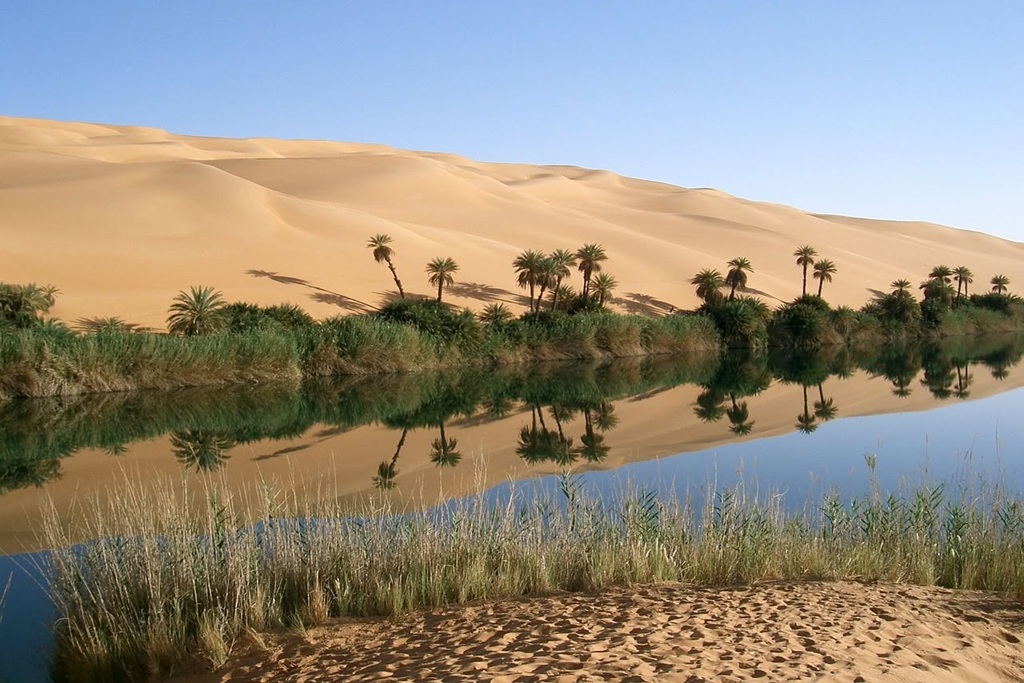
One of the most renown desert destinations in Kenya is Chalbi Desert, located near Marsabit in the country’s far north. Visitors can embark on desert safaris across the vast salt pans and sand dunes, enjoy camel trekking, or experience the nomadic lifestyle of communities such as the Rendille and Gabbra. The Kalacha Oasis provides a striking contrast to the surrounding arid plains, offering a perfect spot to relax and observe local wildlife.
Desert Safari Circuits Recommended for Visiting
Chalbi Desert
Located in Marsabit County in the country’s far north and it covers an area of 100,000 km2. Visitors can go on desert safari to the chalbi desert across the vast salt pans and sand dunes. The desert neighbours Ethiopia and east of lake Turkana and it is known as Kenya’s hottest and most extreme desert. It was formerly a widespread lake, and the basin now consists of cracked white clay, salt pans, and towering sand dunes surrounded by volcanic hills and ancient lava flows.
The is the largest desert in Kenya, characterized by rocky terrain, sand dunes, and occasional oasis. Despite its harsh conditions, the Chalbi Desert is a crucial refuge for wildlife and nomadic pastoralists. Animals that have adapted to the conditions such as the Somali ostriches, Grevy’s zebras, giraffes, and oryx are often seen wandering the open desert. Along the northern borders, lies the Kalacha Oasis, a striking green sanctuary shaded by palm trees, acting as an important watering hole for nomadic herders and their camels.
The region does not have major tourist infrastructures and is mainly explored via jagged, 4×4 expedition tours. Journeys here offer an off-the-beaten-path experience, often combined with visits to the nearby Lake Turkana and encounters with Kenya’s nomadic tribes.
The following activities can be done in chalbi desert and they include; camel racing, cultural festivals such as the Lake Turkana Cultural Festival, and guided safaris.
Samburu Desert
The Samburu Desert is a stunning, arid wilderness in northern Kenya, encompassing the Samburu National Reserve and neighboring conservancies. Anchored by the Ewaso Ng’iro River, this rugged landscape is famed for its unique “Special Five” desert-adapted wildlife and rich local Samburu culture. This ecosystem is uniquely suited for desert-adapted animals, including the Gerenuk (giraffe-necked antelope), Grevy’s zebra, Beisa oryx, reticulated giraffe, and Somali ostrich.
Ewaso Ng’iro River serves as the lifeblood of the region, this river cuts through the desert and supports lush riverine forests where large herds of elephants and predators gather.
Nyiri Desert
The Nyiri desert which is also known as Nyika or Taru Desert, is a semi-arid region in southeastern part of Kenya, covering an area of 20,000 hectares. Located about 80 km east of Lake Magadi. It sits in the rain shadow of Mount Kilimanjaro, which decrees its tremendously dry climate. It stretches across Kajiado County and borders Amboseli National Park and Lake Amboseli. It being in close proximity to Amboseli National Park, Tsavo West National Park, and Nairobi National Park, the area is occasionally crossed by big game including elephants and lions. It is hot and dry with temperature often exceeding 40 degrees Celsius.
Turkana Desert
The Turkana Desert, located in northwestern Kenya, is a harsh and striking semi-arid landscape famous for being the home to the world’s largest permanent desert lake—Lake Turkana (often called the “Jade Sea”). It is an extreme, volcanic environment rich in prehistoric fossils, fierce winds, and resilient nomadic cultures. It covers an area of 70,000 KM2 with rocky hills, sand dunes and occasional oases characterize the landscape. It is considered as one of the harshest environments on earth due to its extreme temperatures, limited water sources and scarce vegetation.
The region is primarily inhabited by the Turkana, a fiercely independent, pastoralist Nilotic community who have genetically adapted to thrive in the unforgiving, arid heat. The El Molo, one of Kenya’s smallest tribes, also live on the windy shores as traditional fishermen.
Kaisut Desert
The Kaisut Desert is a striking, arid landscape in Marsabit County, Northern Kenya. Characterized by windswept sand dunes, rocky plains, and ancient lava flows, it links the gap between the famous Chalbi Desert and the scenic Matthews Range. It serves as a vital homeland for semi-nomadic pastoralists like the Rendille and Samburu people.
It is home to a variety of wildlife; camels, gazelles and desert foxes.
Maralal Desert
Maralal is a small hillside market town in northern Kenya, lying east of the Loroghi Plateau within Samburu County, of which it is the capital. It is the administrative headquarters of Samburu County. The town has an urban population of 16,281. The market was pioneered by Somali settlers in the 1920s. It’s not densely populated and is covered by swathes of desert climatic and desert conditions. It’s the home of the Maralal National Sanctuary which unfortunately is no longer operational. It sits at an altitude of 1,960 meters, and it acts as a crucial staging point for travelers exploring the unforgiving northern terrain
Ngurunit Desert
Ngurunit is a remote oasis and desert-like valley in Northern Kenya, nestled at the foot of the dramatic Ndoto Mountains. Famous for its natural rock pools, sliding rocks, and indigenous Rendille and Samburu cultures, it provides an adventurous, rugged escape from the heat of the surrounding Kaisut Desert. The scenery is defined by vast, sand-swept plains rising abruptly to meet the jagged, craggy peaks of the Ndoto Mountain Range
Magadi Desert
The Magadi Desert refers to the stark, semi-arid environment surrounding Lake Magadi, a hypersaline, alkaline soda lake in the Great Rift Valley of southern Kenya. Known as one of the hottest places in the country, it features vast, shimmering salt pans, natural hot springs, and serves as a major soda ash mining site. The lake contains vast, deep deposits of trona, making it one of Africa’s largest natural sources of soda ash (sodium carbonate).
It is a vibrant habitat for flamingos and highly adapted fish, surrounded by dry, sandy outcrops where Maasai herders live.