

Masisi Territory in DR Congo
Bujuku Eco Tours2026-04-09T18:48:04+03:00Masisi Territory in DR Congo: Masisi territory is a territory located within the North Kivu Province of the Democratic Republic of Congo. Its political headquarters are located in the town of Masisi.
Masisi territory has constantly been subjected to the conflict between the Congolese army and military which has plagued the eastern DR Congo since the ending of the second Congo war. Hutu and Tutsi military originating from the Rwandan Genocide, the Congolese civil war, and Mai-Mai groups which are involved in these episodes of conflict, that are also related to Rwandan border security and the control of eastern Congo’s minerals by rebel groups and business interests. Armed groups have systematically targeted the civilian population.
During the last decade, Masisi and the surrounding countryside have witnessed strife and conflict as the many militias in this part of the country fought each other and against FARDC and MONUC, for territory and wealth. Many have either been killed or permanently disabled, with more carrying residual psychological trauma
It has been an unstable place due to those different wars and presence of rebels which has caused many adolescents recruitment, poverty and lack of education. It’s a place which has different health faculties but which remain not accessible to everyone due to poverty
The insecurity has also led many children not to access school and in return join the rebels’ groups.
Location and Physical Geography of Masisi territory in DR Congo
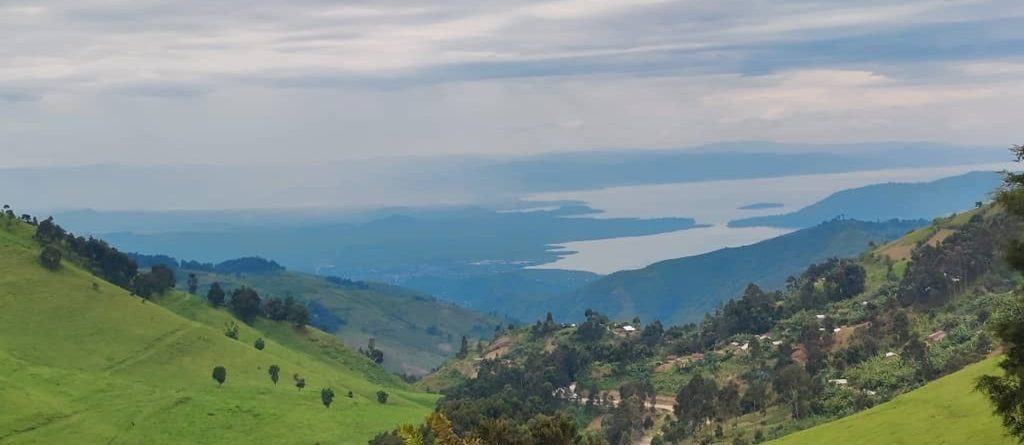
Masisi Territory spans 4,734 km2 in North Kivu Province, eastern Democratic Republic of Congo, positioned along the western escarpment of the Albertine Rift. It lies approximately 70 km northwest of Goma, the provincial capital, and extends westward from the shores of Lake Kivu into the highlands. The territory borders Rutshuru Territory to the north, Walikale Territory to the west, and South Kivu Province to the south, with its eastern limits approaching the Virunga Mountains.
The physical landscape features rugged, elevated terrain typical of the rift valley highlands, with altitudes ranging from around 1,200 meters in river valleys to over 2,500 meters on surrounding plateaus and peaks. The administrative center, Masisi town, sits at approximately 1,600 meters in the foothills of the Virunga volcanic chain, where fertile volcanic soils dominate and support concentrated agriculture. Rivers such as the Ihula and tributaries of the Ruzizi drain the area, contributing to the Congo River basin, though no major lakes are contained within the territory itself.
Due to its high elevation, Masisi experiences a temperate highland climate, cooler and less humid than the equatorial lowlands, with average annual temperatures around 18–20°C and rainfall exceeding 1,500 mm concentrated in two wet seasons. This favourable climate and rich, acidic soils derived from volcanic ash substitute dense vegetation, including grasslands, forests, and tea plantations, though deforestation and erosion pose ongoing challenges
Administrative Structure and Key Settlements
Masisi Territory is administratively subdivided into four sectors; Bahunde, Bashali, Katoyi, and Osso which constitute the primary rural divisions under the territorial administration in North Kivu Province. These sectors, some designated as chiefdoms in official classifications, are further broken down into groupments and villages, managed by traditional chiefs and local authorities responsible for customary governance, land allocation, and basic services. This structure inherits colonial-era frameworks, with sector chiefs (chefs de secteur or chefs de chefferie) overseeing taxation, dispute resolution, and coordination with provincial authorities, though effectiveness is often undermined by ongoing insecurity and parallel armed group influences. The territorial headquarters is located in Masisi town, the principal urban center with an estimated population of approximately 40,000 residents as of early 2025
Population Composition and Ethnic Dynamics
Masisi Territory’s population stood at 843,396 as of 2020, reflecting a dense rural settlement pattern driven by agricultural and pastoral activities. The ethnic composition features the Hunde as the primary indigenous group, historically dominant but reduced to a relative minority through demographic pressures, alongside the Banyarwanda predominantly Hutu with a smaller Tutsi component who form the largest collective bloc as descendants of colonial-era migrants from Rwanda. Other groups include Nyanga and smaller Batwa populations, though precise percentages remain elusive due to conflict-induced displacements and lack of recent censuses. Some of the local languages spoken are: French, Kiswahili, Hunde and Kinyarwanda. Linguistic patterns underscore divisions, with Swahili spoken by 56% as a lingua franca, Kinyarwanda by 15% among Banyarwanda, and Hunde language by 20% of natives.
What to do in Masisi territory in DR COngo
Visit Rushengo farmhouse,
Rushengo is a location in the Masisi territory of North Kivu, Democratic Republic of the Congo. It’s known for the Auberge de Rushengo, a family farmhouse situated over 2,400 meters above sea level.
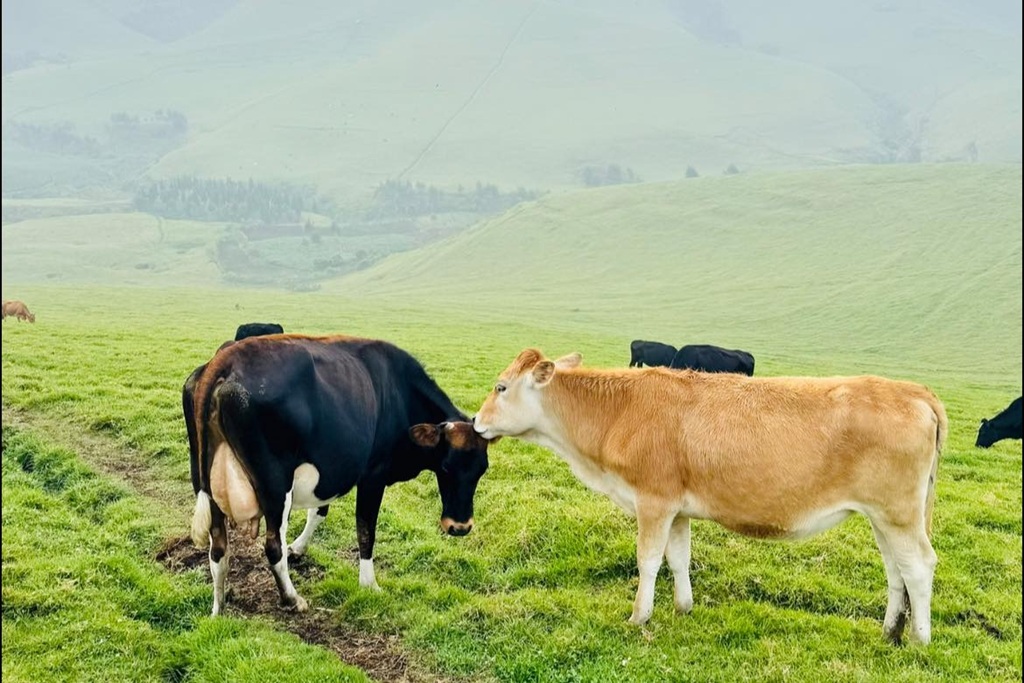
The area offers a memorable experience with around 300 hectares of land where visitors can engage in farm activities like milking cows, collecting eggs, and harvesting food. The farmhouse provides accommodation and is a gateway to the beautiful landscapes of Masisi.
Fishing,
Fishing is practiced artisanally in Bweremana by communities living along the shore of Lake Kivu.
Tourism
Visit the rolling green hills of Masisi Territory
Masisi Territory also contains several natural and tourist sites, including waterfalls, saline and thermal springs, Sake Bay on Lake Kivu, Kaancha Bay, unique rock formations, the Muranga-Kirotshe escarpment, and the small lakes of Ndaala, Mbita, Mbalukira, and Bashali-Mokoto.
Hike the Nyamuragira active volcano
The eastern portion of the territory is part of Virunga National Park, and contains the active volcano Nyamuragira and its satellite Rumoka.
Visit the Virunga national park for a wildlife safari
Notable wildlife species found in the territory include monkeys (locally called Lusula), elephants, birds such as white geese, as well as baboons, gorillas, chimpanzees, and various rodents.
Waterfall’s hiking
Masisi territory is a host to various fascinating waterfalls such as the Saltwater springs in Luhinsi, Saltwater springs in Kitobo/Mulamba, Saltwater springs in Kwiriba/Bushuhi, Saltwater springs in Maliba/Lwama, Saltwater springs in Kisuma and Hot springs known in Swahili as “Mayi ya Moto” in Bitaata/Bulinda, etc
Mining
Mineral deposits include columbite–tantalite, tourmaline, cassiterite, amethyst, and ametrine, which are mainly extracted through artisanal mining, especially in Rubaya and Ngungu.
Where to stay in Masisi territory in DR Congo
Visitors can as well travel back to Goma the capital of North Kivu province
Lake Kivu lodge: Lake Kivu Lodge in Goma (DRC) is a mid-range highly-rated, hotel located at the shores of lake Kivu, offering comfortable rooms, a well-known restaurant, a swimming pool and tropical gardens at the shores of Lake Kivu. It is known for its quiet, secure atmosphere, making it a popular choice for tourists visiting the area for gorilla trekking, volcano hiking or any other activity.
Cap Kivu Hotel: Cap Kivu Hôtel is a 3-star beachfront resort in Goma, Democratic Republic of the Congo.it is located 1km from the city center of Goma offering a quiet, comfortable stay with a restaurant, terrace, and lake access.
Okapi Residence Resort: Is a vacation rental and apartment-style hotel located in Goma, Democratic Republic of the Congo. It is designed for both short-term stays and longer vacations, offering a “home away from home” atmosphere with views of the nearby volcanoes and Lake

Leave a Reply