

Reintroduction of Southern White Rhinos in Ajai Wildlife Reserve
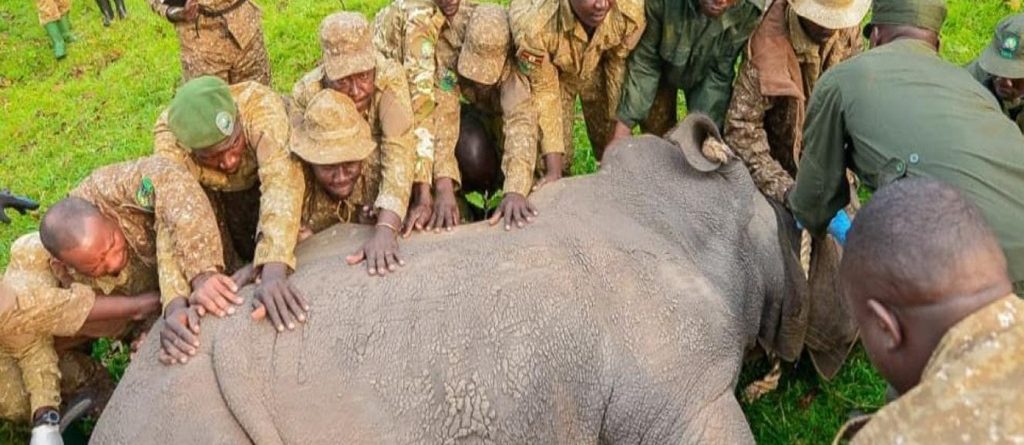
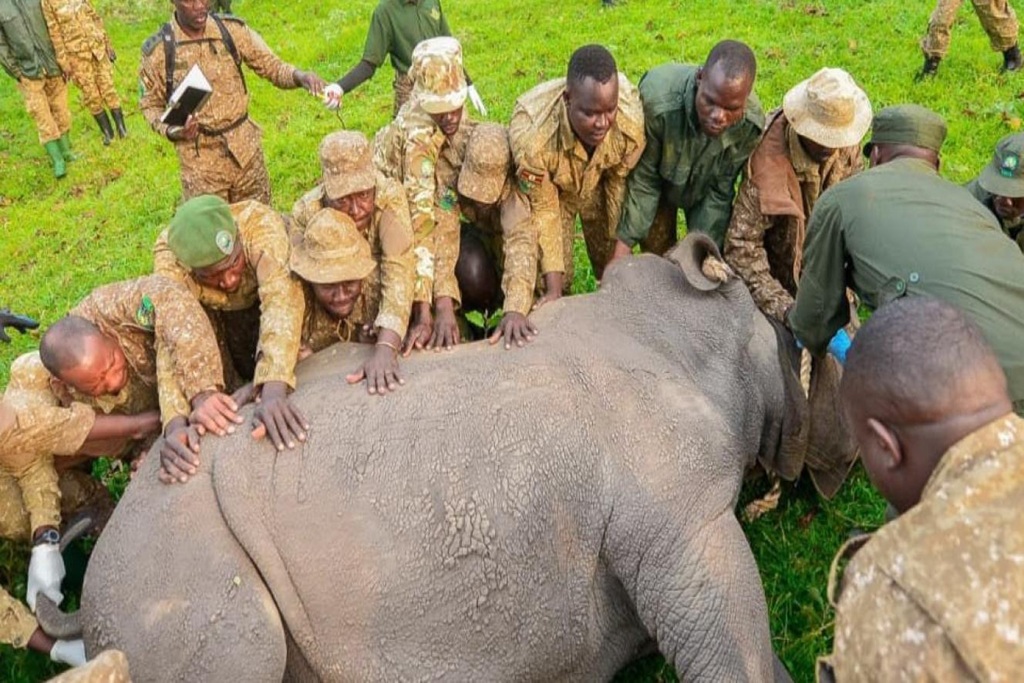
Bujuku Eco Tours2026-02-11T12:52:48+03:00Reintroduction of Southern White Rhinos in Ajai Wildlife Reserve: Uganda has made history with the first ever translocation of rhinos from one protected area to another within the country. Uganda Wildlife Authority (UWA) has successfully moved 4 southern white rhinos from Ziwa Rhino Sanctuary to Ajai Wildlife Reserve in the opening phase of a national programme that will see 20 rhinos relocated to Ajai. The four rhinos that were translocated to Ajai wildlife reserve were to serve as a bench mark before integrating the remaining 16 rhinos to the wildlife reserve
This initiative forms a key component of the National Rhino Conservation Strategy, which is dedicated to rebuilding and safeguarding Uganda’s rhino population while restoring the species to parts of its historical range in northern Uganda. Although the southern white rhino is not an indigenous subspecies, in Uganda its introduction to Ajai Wildlife Reserve is guided by the principle of conservation equivalence. The native northern white rhino subspecies is now functionally extinct, yet both the northern and southern white rhino historically belonged to the same species prior to their separation. As such, the reintroduction of southern white rhinos provides an ecologically credible alternative for restoring rhinos to Uganda’s landscapes.
The four rhinos are now under close observation as they adapt to their new environment. The second phase, involving the remaining 16 rhinos, will take place after successful monitoring and stabilisation of the first group.
Commenting on the milestone, UWA Executive Director, Dr. James Musinguzi, said that the translocation marks a new chapter in Uganda’s conservation journey. “The return of rhinos to Ajai is a proud and emotional moment for Uganda. It reflects years of dedicated conservation work and a highly successful breeding programme at Ziwa Rhino Sanctuary, where our rhino population has steadily grown under careful protection. This next step strengthens species recovery and restores an important part of our natural heritage for future generations.”
Uganda once had both rhino species, the northern white and the eastern black. The northern white rhinos were confined west of the Albert Nile in the then West Nile district with their home in Ajai, while the Eastern Black was confined to the east of the Albert Nile and North of Victoria Nile, spanning the then Acholi, Lango and Karamoja areas. However, they were wiped out during the period of insecurity in the country due to poaching and habitat loss, the last rhino was killed in Narus Valley in Kidepo in 1983.
The systematic rhino reintroduction/introduction program started in 1997 with the establishment of Rhino Fund Uganda. Awareness began in 2001 with the importation of 2 rhinos from Kenya and their placement at the former UWEC. In 2005/6, breeding started at Ziwa with the importation of 4 rhinos from Solio in Kenya and 2 from Disney Animal Kingdom in Florida, USA. The six formed the founder population for the breeding program at ziwa that grew to 49. In December 2025, an additional 8 southern white rhinos were imported from South Africa to supplement the Ziwa population in line with the National Rhino Strategy goal.
Why Were Rhinos Reintroduced in Ajai Wildlife Reserve
Ajai Wildlife Reserve was historically one of the country’s most important rhino habitats. The reserve’s open savannah grasslands, riverine vegetation, and permanent water sources made it ideal for sustaining rhino populations.
The southern white Rhino was reintroduced to Ajai Wildlife Reserve to restore the species to its historical range in northern Uganda, reduce concentration risks for the population, and boost conservation led tourism. This initiative aims to establish a new, free-ranging population beyond Ziwa Rhino Sanctuary, strengthening the overall recovery of rhinos in Uganda.
The reintroduction of Rhinos to Ajai wildlife reserve was intended to enhance tourism opportunities and provide economic benefits to local communities, such as jobs and revenue. The southern white rhinos were taken back to Ajai wildlife reserve to manage the population and to reduce the risks associated with keeping the entire Ugandan Rhino population in a single location, the Uganda Wildlife Authority (UWA) decided to spread them across different areas in the country.
Where Is Ajai Wildlife Reserve Located
Ajai Wildlife Reserve is located in Madi-Okollo District in Uganda’s West Nile region, Northwestern Uganda. This wildlife reserve is set along the Western banks of the White Nile, about 40 km East of Arua. It is accessible by road from Arua or Pakwach and covers 148–166 sq. km of savanna and wetland.
When Is the Best Time to Visit Ajai Wildlife Reserve
Ajai Wildlife Reserve encounters tropical climatic conditions and is open all year round. To experience the most of this enriching wildlife reserve, the dry season is the best time to visit Ajai wildlife reserve, and that is from June to September and from December to February. The reserve accounts heavy rains which befall from April, May, October to November.
Wildlife In Ajai Wildlife Reserve
Ajai Wildlife Reserve is a haven for diverse wildlife beyond its historic rhino population. Key animals to explore include dense populations of Uganda Kobs, sitatunga, warthogs, bushbucks, buffaloes, and rare sightings of leopards. The reserve is also excellent for spotting primates, water-dependent reptiles, and over 200 bird species
Other wildlife to explore at Ajai include zebras, warthogs, leopards, monitor lizards, civets, , hippos, buffaloes and others. Primates that survive in Ajai include olive baboons, red monkeys, vervet monkeys, black and white colobus monkeys. Reptiles that reside here include snakes such as pythons, green snakes, and more.
Tourist Activities in Ajai Wildlife Reserve
Game Drives
Game drives in Ajai offer an incredible chance to Visitors to take part in morning, afternoon, or evening drives to spot animals such as the rare Sitatunga, Uganda kob, warthogs, oribi, hartebeests, and, occasionally, leopards.
Birdwatching
Known as a birding paradise, the reserve hosts species like the African Fish Eagle, Grey Crowned Cranes, Marabou Stork, and various water birds along the Nile’s edge.
Guided Nature Walks
These guided walking tours gived visitors an opportunity to experience the savanna and woodland habitats closely, providing a closer view of smaller wildlife and plants.
Boat Cruises
Conducted on the Albert Nile, these trips are ideal for spotting hippos, crocodiles, and diverse water birds.
Cultural Experiences
Cultural Tours are arranged to a nearby local communities to learn about the Lugbara, Alur, and Madi tribes, including their traditional dances, way of life, foods and crafts.
Photography
The scenic, varied landscapes of the savannah, wetlands, and riverbanks, provide excellent opportunities for nature photography, particularly during the golden hour.
Fishing
This activity is done on the Nile River as a sport fishing activity for visitors interested in aquatic life. The most common fish in river Nile is the Nile perch and other fish types include tilapia, catfish, lung fish and many other types.
How To Get to Ajai Wildlife Reserve
Ajai Wildlife Reserve is located in Madi-Okollo District in Uganda’s West Nile region, Northwestern Uganda.
The reserve is approximately 6-7 hours drive which is 467km from Kampala Uganda’s capital city via Luwero to Arua town. Or you can also take a chartered flight from Entebbe to Arua Airstrip and drive to the reserve in a 4×4 safari vehicle.
From Murchison falls national park, the Ajai wildlife reserve is 140km via pakwach through nebbi and the trip can take about 4-5 hours drive
Where to stay in ajai wildlife reserve
Ajai is still one of the minimal developed destinations and expect to find inadequate accommodation possibilities, with camping being the prime choice. This means that visitors should prepare and come along with their camping tents.
Visitors can also book a hotel in Gulu or Arua for a night stay and connect to the reserve for your wildlife excursions. In Arua town, the available hotels to consider booking for your night stay include Hotel Le Confidentiel Arua, Hotel Delambiance, Novella Guesthouse, Heartland Cottages Arua, Heritage Hotels Aruaha, Muni Residences, and Royal Crane Resort etc.




Leave a Reply