

Why Are Mountain Gorillas Endangered?
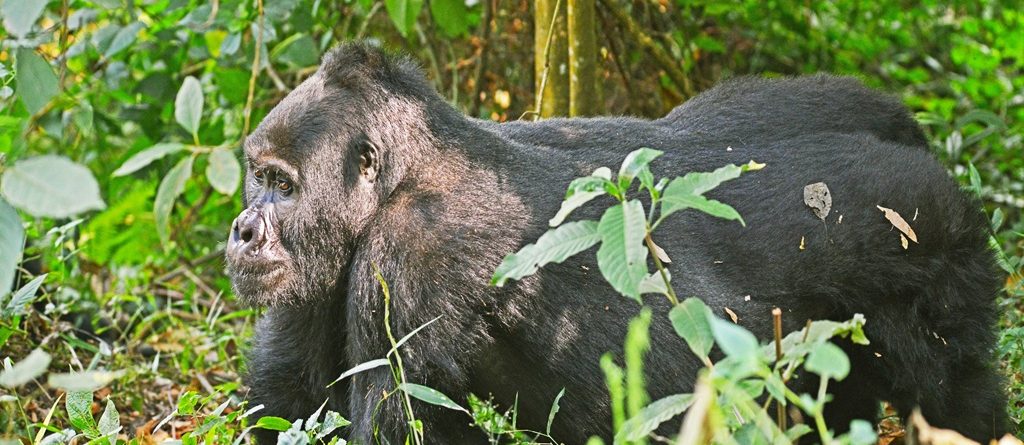
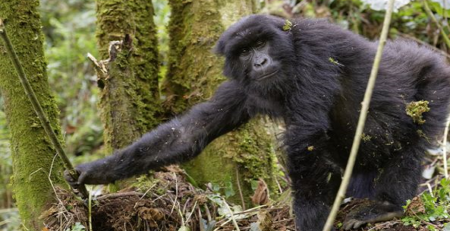
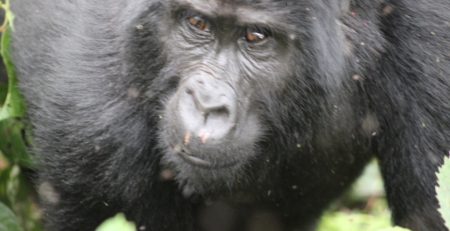
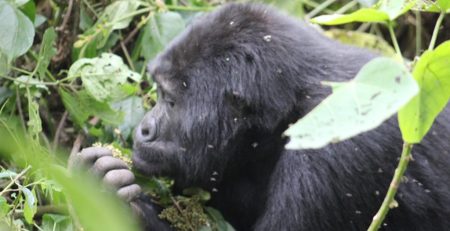
Bujuku Eco Tours2026-03-30T09:12:39+03:00Why Are Mountain Gorillas Endangered: Mountain gorillas are a sub species of the gorilla family and are known to be endangered. There are two species of the gorillas and these are the western gorilla and the eastern gorillas which are further sub divided into four subspecies. The western gorillas are divided into two and these are the cross-river gorillas and the western lowland gorillas while the eastern gorillas are sub divided into the eastern gorillas and the mountains gorillas.
Mountain gorillas can be found in Uganda, Rwanda and the Democratic Republic of Congo with Uganda having about half of the overall population in Bwindi Impenetrable National Park and Mgahinga Gorilla National Park. In Congo, the mountain gorillas are found in Virunga National Park whereas in Rwanda you can find them in the Volcanoes National Park. The Lowland gorillas (Eastern and Western) are found in the Democratic Republic of Congo, Cameroon and other countries in west and central Africa. And the overall population of western lowland gorillas is over 250,000 while the eastern lowland gorillas are about 5,000. One of the reasons why mountain gorillas are given so much attention is because they cannot survive in captivity like the lowland gorillas.
Mountain gorillas live in forests high in the mountains, at elevations of 8,000 to 13,000 feet (2,438 to 3,962 meters above sea level). They have thicker fur, compared to other great apes, the fur helps them to survive in a habitat with temperatures frequently dropping below zero degrees
Despite years of civil conflict in regions where mountain gorillas live, conservation efforts have succeeded in recovering mountain gorilla populations. Verdicts show gorilla populations in the Virunga Massif have grown from 480 individuals to 604 individuals, in 2010. This makes the total global wild gorilla population to over 1,000 individuals. Among the sub species, the cross-river gorillas have the smallest population of about 250 individuals left in the whole world making these sub species very vulnerable to extinction
Threats affecting mountain gorillas
Habitat loss
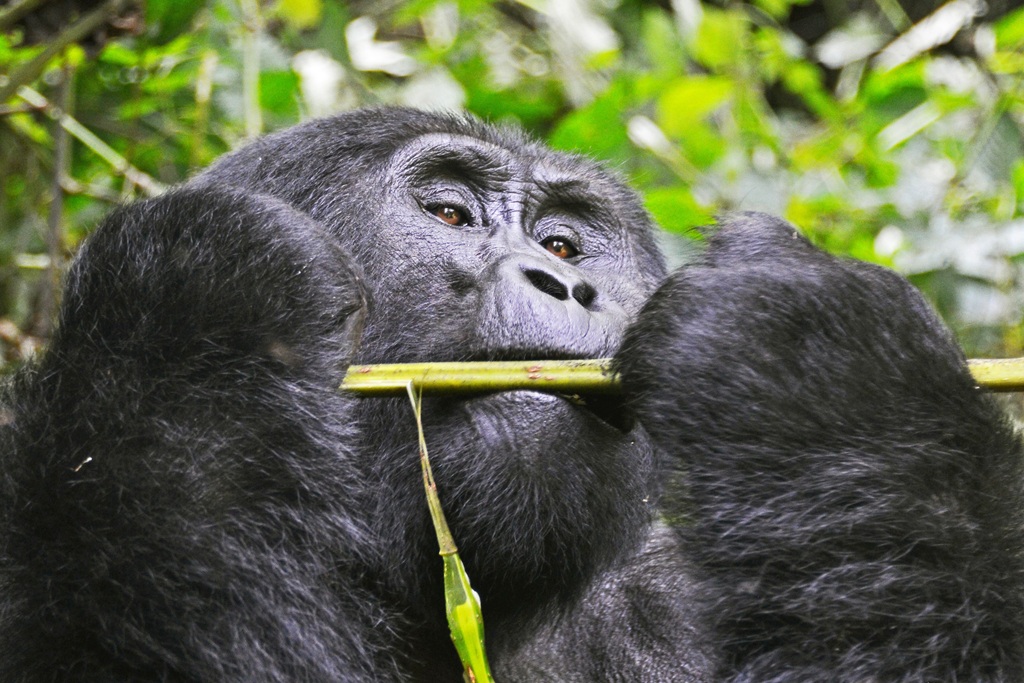
The major threat affecting mountain gorillas is from the clearance and degradation of their native Afromontane forest home. As human populations and activities increase, forests are being cleared for farming, settlement, and charcoal production, leaving gorillas with less space and reduced resources, they encroach on the park system for its land and resources. This can result into increased human-gorilla conflict from competition for space and resources.
Poaching and Hunting
Poachers were once a great threat to the existence of the mountain gorillas as the e malicious individuals hunted them sown for their body parts that were used in were used in witchcraft. They are also hunted for meat or killed by snares set for other animals. Sometimes they are targeted for trophies or, in the case of infants, for illegal pet trade.
Strong penalties have been set by authorities for the individuals convicted of poaching any wildlife and ranger guides have been deployed to make routine checks for any poachers setting traps.
Civil conflict
The 1994 war in Rwanda and decades of civil conflict in the Democratic Republic of Congo have sent waves of refugees and heavily armed mercenaries into the region around the Virunga Mountains parks that are home to more than half the mountain gorilla population, leading to poaching and demolition of gorilla habitat. And parts of the park inhabited by gorillas were taken over completely by these mercenaries, making survey and conservation work difficult, dangerous, and at times, completely impossible. Since 1925, 220 Virunga rangers have been killed in the line of duty.
Diseases
Mountain gorillas share up to 98.9% of their DNA with human beings making them inclined to human diseases. Mountain gorillas are believed to contract air borne diseases such as colds, Ebola, influenza even worse of all COVID-19 virus. Once a gorilla gets any of these deadly diseases it can be of great danger because it will absolutely turn into an outbreak and treatment can be very expensive or almost impossible.
The lowland gorillas were once faced with and out break of Ebola virus which claimed the lives of many gorillas and up until today, the area is still under recovery with almost 95% of death rate.
Measures Taken to Protect the Endangered Mountain Gorilla
Benefitting communities
Through IGCP, some conservation organizations are working with the local communities in mountain gorilla ranges to create opportunities, partnerships and provide direct benefits from mountain gorilla conservation. They also support the development of nature-based enterprises linked to tourism and resources within the protected areas. They have established community-owned lodges, which bring substantial tourism revenues to communities and demonstrate the value of mountain gorilla conservation. The investments have strengthened relationships between the community and the parks and improved how the community regards mountain gorilla conservation.
They also support nature-based enterprises like beekeeping, crafts making, cattle keeping, and vegetable growing, which help diversify livelihood opportunities. IGCP helped create and support community associations and build capacity for these groups, as well as value chains and market development.
Promoting ecotourism
The future of the mountain gorillas is fully connected to gorilla tourism and over 70% of all mountain gorillas are currently habituated to human presence for tourism purposes. Mountain gorilla conservation and tourism contribute significantly to community and livelihood development while also improving local people’s attitudes towards mountain gorillas.
Gorilla tourism has played a crucial role in not only nurturing the retrieval of endangered mountain gorillas but also in benefiting human-wildlife cohabitation. The outstanding success of mountain gorilla tourism has meaningfully contributed to the conservation efforts within the Greater Virunga Landscape. This is accomplished partly by offering economic and social enticements to local populations, thereby reducing their dependence on more aggressive and destructive resource extraction practices that could otherwise destroy the habitat and expose the survival of wildlife.
Monitoring mountain gorilla populations
Research and monitoring of mountain gorillas helps with better understanding about their threats and create targeted conservation interventions. IGCP, along with many partners, including WWF, conducted the first mountain gorilla census in Virunga Massif in 2003, and in Bwindi Impenetrable National Park in 2006, and across their entire population in the Virunga landscape in 2016.
Managing human-gorilla conflict
The success of mountain gorilla conservation depends on addressing the competing needs of the gorillas themselves and the livelihoods of local communities. Although the people living in these areas can be the greatest threat to mountain gorillas, they can also be effective conservationists for the species.
Wear masks while trekking the mountain gorillas
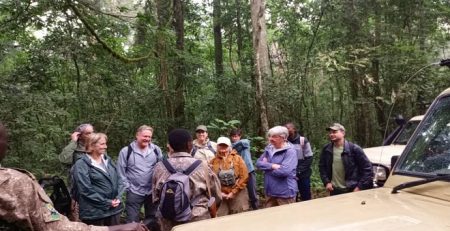
Make sure to wear your approved mask properly at all times while in the presence of the gorillas to avoid any transmission of air borne diseases to these endangered apes. This means keeping your nose and mouth covered. Do not pull your mask down to take photos. If you have to sneeze, even with your mask on, turn away from the gorillas and bury your face under your elbow to avoid any uncertain contractions.
Also, do not leave any trash or food remains in the forest. Gorillas are curious and may pick up these items. If any trash or food has even traces of bodily fluids, disease transmission can occur.




Leave a Reply