

Uganda’s Six Newly Gazetted National Parks
Bujuku Eco Tours2026-01-30T09:43:34+03:00Uganda’s Six Newly Gazetted National Parks: In September 2025, the Ugandan Cabinet sanctified the elevation of six former forests and wildlife reserves into national parks, making the total to 16, aimed at strengthening conservation and boosting eco-tourism. The new parks are Bukaleba, Echuya, Kyambura, Kigezi, Toro, and Katonga
The Uganda Wildlife Authority confirmed that the upgrade will provide added legal protection and improved infrastructure, fostering eco-tourism and community engagement in adjacent areas.
What You Need to Know About the Six National Parks
Here are the newly added national parks to the existing 10 national parks which are all managed by the Uganda Wildlife Authority.
Kyambura National Park – The Primate Filled Gorge
This newly gazetted national park is located in the southwestern part of Uganda and it was upgraded from the Kyambura Game Reserve which was established in the year 1952. Kyambura national ark covers an area of 156 km2 and is popular for the kyambura gorge known as the ‘valley of Apes’, which is a primate reserve connecting to Queen Elizabeth national park.
Kyambura gorge is a 100-meter deep and within the gorge lies a dense forest which acts as a habitat for a good number of chimpanzees along with other primates like the black and white colobus monkeys, red tailed monkeys, vervet monkeys and huge number of bird species.
The main tourist activities in this newly gazetted national park are, nature walks, chimpanzee tracking, bird watching/ birding, and picturesque viewing.
Kigezi National Park – Expanding Savanna Corridors
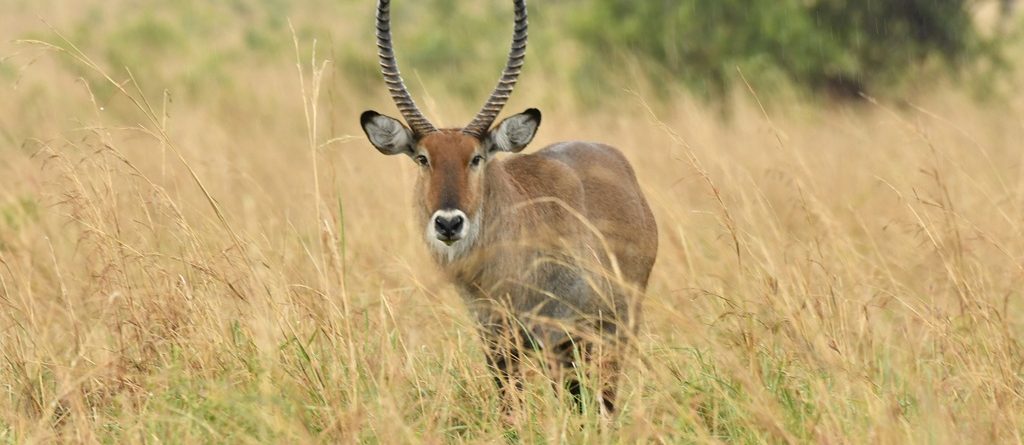
Kigezi national park is an upgrade from the Kigezi Wildlife Reserve. This national park is an open savanna grassland connecting Queen Elizabeth national park in Rukungiri district in the southwestern part of Uganda. It is a grazing place for animals like buffaloes, antelopes, elephants and other herbivores.
This national park covers and area of 256 km2 and serves as a migration corridor for elephants, antelopes, buffaloes and other animals that keep migrating to different parts of Queen Elizabeth national park.
Kigezi national park is also home to various bird species including the marabou stock, verreaux’s eagle owl, red faced barbet and many other bird species.
Echuya National Park – The Montane Forest Gem
Echuya national park is located in southwestern Uganda in Kisoro and rubanda district and runs along the north-eastern border of Rwanda. Echuya national park covers an area of 37 km2 and features bamboo and forest vegetation. It was first established in the year 1939 and later on re-gazetted in 1951. Echuya forest reserve was initially under the management of Uganda National Forest Authority (NFA) before it was recently upgraded to a national park status by Uganda Wildlife Authority (UWA).
Safaris to Echuya national park can be combined with trips to Bwindi impenetrable national park and Mgahinga Gorrilla national park.
Safari activities in Echuya national park include batwa cultural experiences, nature walks, birding and many more.
Bukaleba National Park – Lakeside Biodiversity on Lake Victoria
Bukaleba national park is located in Mayuge district in eastern Uganda along the shores of Lake Victoria. It covers an area of 97 km2 and was upgraded from the Bukaleba Central Forest Reserve which was established in 1932.
This reserve was once a colonial plantation for timber, and it was later turned into a forest providing a home for various animals such as reptiles, birds, monkeys, among others.
Katonga National Park – Where Wetlands Meet Wildlife
Katonga was first established as a game reserve in 1998 and it’s seated on an area of 207 km2, katonga national park is one of the newly created national parks in Uganda, it is located in Kamwenge and kyenjojo districts.
It is famous for its wetlands and swamps ecosystem, home for over 40 mammals and 150 bird species. Wildlife in this national park include; sitatugas, otters, antelopes and a variety of bird species
Activities in katonga national park include river canoeing, wetland walks, birding, nature walks. This destination is good for eco travellers and nature enthusiasts.
Toro National Park – Protecting the Savanna Heartland
Toro national park is located western Uganda in districts of Kabarole and Ntoroko sited on an area of 542 km2. It was first established as Toro Semliki wildlife reserve in 1926 to protect the wildlife in the reserve and to conserve the area’s rich biodiversity. Wildlife in this new national park include; duikers, elephants, Uganda kobs, primates like redtailed monkeys, black and white colobus monkeys and numerous bird species.
Why Were the New National Parks Gazetted
To Strengthen Conservation
The move provides stronger legal protection for vital, fragile habitats, including montane forests, wetlands, and savannah corridors, ensuring the safety of endangered species.
To Reduce Human-Wildlife Conflict
By officially designating these areas as national parks, the government aims to control human encroachment, illegal farming, and poaching promoting a safer, more sustainable environment for both wildlife and local communities.
Tourism Diversification
The new parks offer diverse, less-crowded, and unique experiences such as the Kyambura Gorge’s primate-rich habitat and Echuya’s montane forests, diversifying Uganda’s tourism offerings beyond the traditional gorilla trekking.
Support for Community Livelihoods
The expansion aims to boost local economies through revenue sharing, eco-tourism development, and the creation of jobs in the hospitality sector.
Environmental Strategy Alignment
The initiative aligns with Uganda’s Vision 2040 and global targets to protect 30% of land and water by 2030, enhancing ecological connectivity and resilience.






Leave a Reply