


Ebola Outbreak in Eastern DR Congo in May 2026
Bujuku Eco Tours2026-07-22T13:32:38+03:00Ebola Outbreak in Eastern DR Congo in May 2026: The World Health Organization (WHO) has declared the ongoing Ebola outbreak known as the “Bundibugyo Virus Disease” (BVD) in the Democratic Republic of the Congo (DRC) in its Eastern Ituri province – the epicentre of the outbreak – as well as North Kivu province is a Public Health Emergency of International Concern (PHEIC).
As of May 2026, health authorities have tracked approximately 600 suspected cases and 139 suspected deaths in the Democratic Republic of Congo. The epidemic is fuelled by the rare Bundibugyo virus strain, making control highly challenging because there are currently no approved vaccines or specific therapeutic treatments available for this particular variant.
The Director-General of WHO expressed his gratitude to the leadership of the Democratic Republic of the Congo and Uganda for their commitment to take necessary and vigorous actions to bring the event under control, as well as for their frankness in assessing the risk posed by this event to other States Parties, hence allowing the global community to take necessary preparedness actions.
The 51 cases confirmed in DR Congo are in its eastern Ituri province – the epicentre of the outbreak – as well as North Kivu province.
According to the Uganda Media Centre Executive Director Mr. Allan Kasujja and the Uganda Ministry of Health (MoH), Two Ebola cases were confirmed in Uganda’s capital, Kampala with both cases being travellers from DR Congo, one of whom has died and the body has been returned to the DRC.
The Ministry of Health, as it has done many times before, has traced all those who had interacted with him, including health workers, close relatives, and friends. The Ministry is confident that there is no cause for alarm. The situation has been contained.
The Ministry of Health of Uganda is sharing precautions and standard operating procedures with the community in the unlikely event that a person is identified showing Ebola symptoms like sudden onset of fever, fatigue, chest pain, diarrhoea, vomiting, unexplained bleeding, and yellow eyes).
The government is encouraging washing of hands, avoiding close contact with bodily fluids and has reactivated emergency helplines for reporting cases so that authorities can manage and evacuate suspected cases, sick individuals to the nearest health facility for medical treatment
Many countries have taken steps to halt the spread of the disease, including limiting travel from the affected region, implementing traveler screening and sending resources to help control the disease.
As of 16 May 2026, 8 laboratory-confirmed cases, 246 suspected cases and 80 suspected deaths have been reported in Ituri Province of the Democratic Republic of the Congo across at least three health zones, including Bunia, Rwampara and Mongbwalu.
A further case reported on 16 May, an individual returning from Ituri to Kinshasa, has tested negative for Bundibugyo virus on confirmatory testing by INRB, and is therefore not considered a confirmed case.
On May 17, an American doctor who was exposed as part of medical workers caring for patients in DRC tested positive for Ebola Bundibugyo disease.
The patient has since then been transported to Germany for treatment and care.
In addition to being a shorter flight time, Germany has previous experience in caring for Ebola patients.
What is Ugandan Ministry of Health doing in order to combat the Ebola Outbreak In DR Congo?.
The Government of Uganda through its Ministry of Health has strengthened its health surveillance systems by doing the following measures throughout the 24/7 task force across the border points of Uganda, Rwanda and DR Congo.
- There is a rapid Detection and containment system in place at entry points across Ugandan borders
- strong surveillance across tourism corridors
- Effective Case Management and High Recovery Support plans in place
- Robust Infection Prevention measures put in place
- Transparent communication and Public assurance, Ugandan community has been provided with emergency contacts (such as 0800100086) in every districts, communities neighboring border points, daily Ebola updates by ministry of health
- Restriction of border crossings in the border districts already in place for a period of 1 month
- Strengthened Cross-Border coordination with other stake holders both in Uganda and DR Congo.
Uganda Ebola Status
According to Ministry of Health recent update on 29th may, 2026, a atoal of nine confirmed cases including one driver have been reported in Kampala, The driver is the person who transported the first reported case, who was a Congolese health worker with linkage to the index case, a Congolese woman who travelled to Uganda for medical care, and two Ugandan health workers linked to confirmed cases
Public health response
Health authorities in the Deomocratic Republic of the Congo and Uganda, in collaboration with WHO and partners, are implementing comprehensive public health measures.
WHO Director General, Dr Tedros Adhanom Ghebreyesus, traveled to the Democratic Republic on 28 May, 2026 to give his support to the ongoing response
What is Uganda Tourism Board saying about Ebola Outbreak in Democratic Republic of the Congo.
The Uganda Tourism Board (UTB) on 2nd June 2026, following Uganda’s Ministry of Health updates on Ebola Outbreak In DR Congo, reassured travelers, tourism partners, investors, and the international community following the recent Report regarding Ebola cases linked to the Democratic Republic of the Congo that, Ugandan Tourism industry remains open and very safe.
The confirmed cases of Ebola are still linked to the cross border movements, where the identified cases have been isolated and are seriously receiving appropriate medical care under supervision of Ministry of Health, with the exception of one Congolese national registered over a fortnight ago, Uganda has no recorded fatalities.
Uganda being an internationally recognized country as having strong health systems, capacity and experience in managing public health emergencies, The Country’s health system remains vigilant, well prepared and fully engaged in monitoring and responding to the situation.
Bujuku Eco Tours and Travel Ltd remains committed to providing excellent services to its travel clients into Uganda and Rwanda Destinations, with its well equiped guides and staff, all health measures are being taken care of and well practiced including the implementation of SoPs, avoiding unnecessary personal contacts with clients, avoiding unnecessary stopovers points along the travel routes, Eating from reserved Lodges and Hotels only.
The staff as well as guides on board during your travel program will be having emergency response systems including ministry of health task force contact lines, regular hand washing, and acting with due diligence while offering guiding services to the client(s).
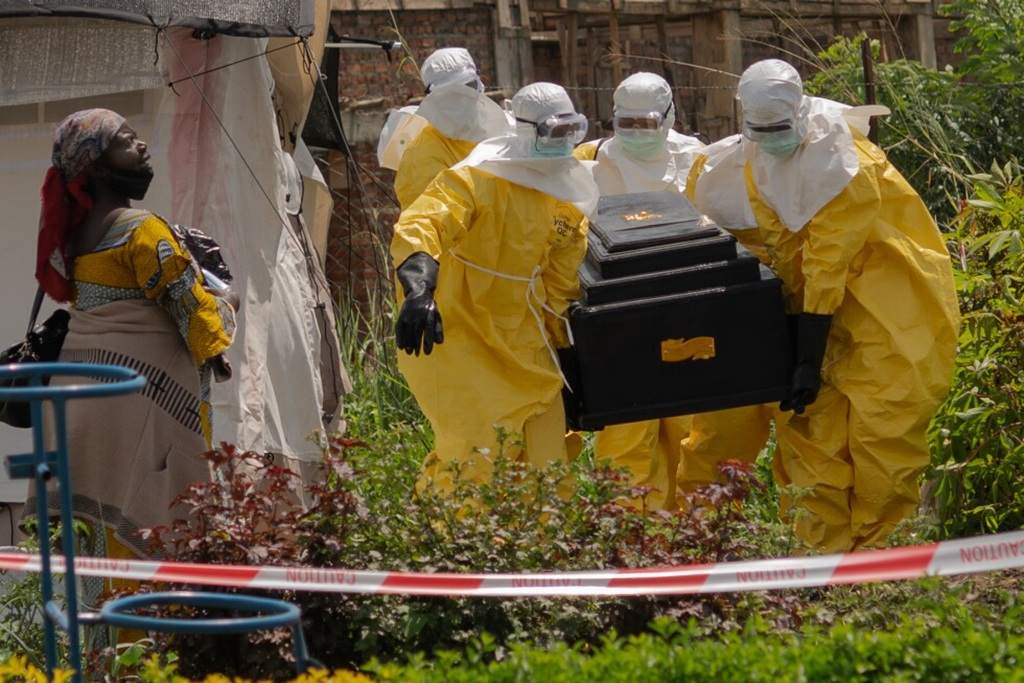
Safety Precautions on Travel to Uganda amid the Ebola outbreak in May 2026
Following the recent outbreak of the Bundibugyo strain in the democratic republic of Congo, the ministry of health in Uganda remains vigilant and proactive with the robust surveillance system, contact tracing measures and rapid response teams operational nationwide.
Beyond precautions, Uganda remains open and free from Ebola at the moment, welcoming visitors for tourism, business and investment.
The country has successfully contained previous Ebola outbreaks through strong surveillance systems, quick government action, airport screening measures, public awareness campaigns, and collaboration with international health organizations.
Importantly there is ZERO transmission among local people or community infection within Uganda.
Uganda tourism board (UTB) has assured all travellers and stakeholders that tourism activities, hospitality services and everyday operations across the country are ongoing normally as Ugandans live their daily normal lives. Uganda remains a trusted and rewarding destination in the heart of Africa with adventure, culture and investment opportunities
There should be no reason why you should change your travel plans. It’s most likely that you will go directly from Entebbe Airport to the National Parks and there are no reported cases in any of those areas.
The Uganda Tourism Board has been able to host a successful event the annual Pearl of Africa Tourism Expo 2026 (POATE 2026) amid the outbreak of Ebola in DR Congo signaling the safety of Uganda and health emergency response readiness.
When there is an outbreak, the ministry of health has a detailed contact tracing in place, based on decades of experience managing tough diseases like Ebola, Marburg and COVID 19.
World Health Organization, CDC (Center for Disease Control) and others are part of that process.
Uganda remains one of Africa’s leading safari and tourism destinations, attracting travellers for gorilla trekking, Chimpanzee tracking, wildlife safaris, cultural experiences, and adventure holidays.
However, news about Ebola often creates uncertainty among visitors planning to travel to the country. Travelers visiting Uganda during this period should remain informed, follow official travel guidelines, and take reasonable health precautions.
Most tourism destinations remain operational. National parks are open, and international airports continue to function under enhanced health monitoring protocols.
What To Do When You Are Unable to Travel for Your Trip Due To Travel Advisory Against Travelling Near The DRC, Uganda, Rwanda and South Sudan Due To Ebola Outbreak.
Visitors booking Uganda safaris as well as Rwanda safaris from strict countries like the United States of America (USA) are advised to write to their tour operators or travel agents to reschedule their trips to a later date.
This enables visitors to avoid losses in non-refundable trip booking fees due to last minute cancellations.
The Uganda Wildlife Authority allows licensed tour operators to reschedule gorilla trekking permits, chimpanzee tracking permits and any other activity fees to a later date reduce the burden of tourists to Uganda due to travel restrictions from their home countries to Uganda.
Travelling to Uganda amid the May 2026 Ebola outbreak in DR Congo
Like said before, Uganda is one of the best countries in Africa in emergency response to epidemics and pandemics such as Ebola and COVID 19, all travelers intending to visit Uganda should plan to visit with assurance that there are several standard operating procedures to enable them enjoy their safari in Uganda with no risks of Ebola transmission.
Uganda boasts a professional tourism sector to guarantee your safety during your Uganda safari with several licensed tour operators and tourist driver guides for a safe and memorable safari experience amid the Ebola outbreak in the neighbouring Democratic Republic of Congo.
contact your tour operator for more details on how to travel and places to avoid during this period of the virus outbreak
How To Prevent the Spread of Ebola virus
Ebola disease is caused by a group of viruses, known as Ortho ebolaviruses (formerly ebolavirus). These viruses can cause serious illness that, without treatment, can cause death. Ortho ebolaviruses were discovered in 1976 in the Democratic Republic of the Congo and are found primarily in sub-Saharan Africa.
There are 4 types of orthoebolaviruses that cause illness in people, and these include;
- Ebola virus causes Ebola virus disease
- Sudan virus causes Sudan virus disease
- Taï Forest virus causes Tai Forest virus disease
- Bundibugyo virus causes Bundibugyo virus disease
Prevention of Ebola is marjorly by observing some standard operating procedures such as;
Avoiding contact with bodly fluids from people who have the virus, such as urine, blood, breastmilk, and also semen from someone who has recovered from the virus
Avoiding Clothing, needles, medical equipment, or other items that may have touched an infected person’s blood or body fluids
Avoiding touching or eating Bats, forest antelopes, primates, and blood, fluids, or raw meat from these or unknown animals
Wearing a face mask while public spaces
Washing hands all the time with soap and water or hand sanitizer
Avoiding getting in contact with unknown people like hugging and hand shake
Bujuku Eco Tours and Travel Ltd remains committed to providing current updates from Ministry of Health concerning Ebola Outbreak status across Uganda and DR Congo.



Leave a Reply