

Experience The Mara Triangle Conservancy Safari
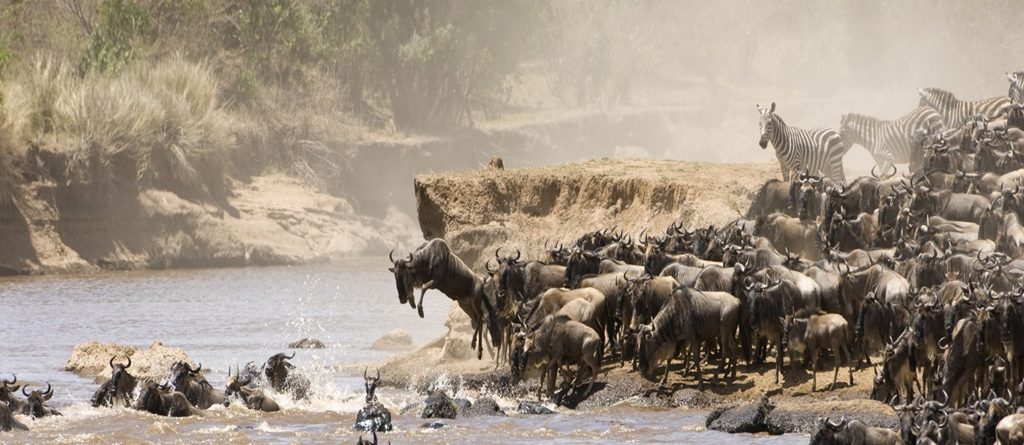
Bujuku Eco Tours2026-02-25T19:06:35+03:00Experience The Mara Triangle Conservancy Safari: The Mara Triangle lies in the western sector of Masai Mara where the Mara River forms a natural boundary line that holds one-third of the Mara Reserve. The Mara Triangle covers an area of 510 km², which is about one-third of the total area of the Maasai Mara National Reserve. The unique feature of Mara Triangle includes; the Oloololo Escapement, The Mara River and the International boundary which forms a triangular shape. Most of the Mara Triangle is part of the main reserve and is not a private conservancy. In addition to the dividing river, the area of the Mara Triangle is also defined by the Oloololo Escarpment (aka as Siria). The Triangle is the primary entry and exit point for over 1.5 million wildebeest and zebras migrating from the Serengeti. It offers front-row seats to the dramatic Mara River crossings from July to October.
During the past years, this region was the scene of extensive poaching leading to the death of thousands of animals each year. In 2000 a group of local leaders came together to make a difference to promote the conservation of the Mara Triangle. The collaboration of these leaders led to the establishment of the non-profit Mara Conservancy on behalf of the local county government. This partnership has meaningfully reduced poaching and enhanced infrastructure like roads and ranger stations. Today the Mara Triangle has one of the highest concentrations of wild life in the world and on a lucky day you will be able to view all the big five in less than 2 km. The reserve is home to cheetahs, Wildebeest, Zebra, giraffe, rock hyrax and many more animals.
Due to its superb location, animals freely wander between the neighbouring wildernesses; however, the river acts a natural fence that keeps most of the wildlife in the triangle. There is no better place to view the dramatic river crossings during the great migration.
The great migration
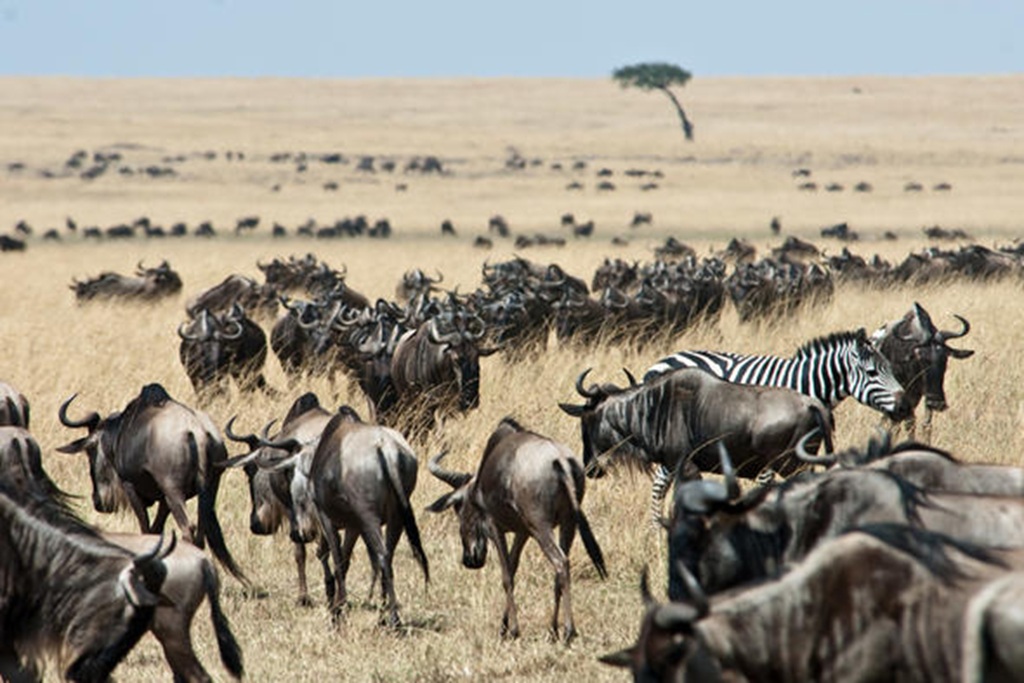
The Great Migration in the Masai Mara is an annual, 3,000km+ clockwise, year-round journey of over 1.5 million wildebeest, zebras, and gazelles following rains for fresh grazing. The herds typically arrive in the Masai Mara from the Serengeti in July and remain until October, featuring dramatic, crocodile-infested river crossings at the Mara and Talek rivers. After calving in the Southern Serengeti which takes place from Feb–March, herds of wildebeests, zebras, and gazelles move north wards through the Serengeti, facing the Grumeti River in June before entering the Masai Mara.
How To Get to the Mara Triangle
To reach the Mara Triangle in the western sector of the Maasai Mara National Reserve, you can travel by air for speed or by road for a scenic, though rugged, experience.
Flying is the fastest and most convenient mode of transport, and a better way to avoid long drives on bumpy roads. Flights usually depart from Nairobi Wilson Airport (WIL). The major regional airlines include Air Kenya, Safari link, and Governors’ Aviation. These flights take approximately 45 to 60 minutes.
Book your flight with either Mara Serena Airstrip in central mara region or Kichwa Tembo Airstrip found on the northern edge, depending on your lodge.
You can as well opt for road trip to the mara triangle for a more scenic drive. From Nairobi, it takes about 6 to 7 hours. A 4×4 vehicle is essential due to the rough landscape, especially during the rainy season.
Primary Route: Take the A104 from Nairobi, then the B3 toward Narok. After Narok, follow the C13 toward the western gates.
Oloololo Gate is the main northern entry for the Mara Triangle and Purungat Bridge Gate is the southern entrance, used when crossing from the main reserve via the New Mara Bridge. Accessing the Main Reserve is easy if you are already in the eastern Maasai Mara near Sekenani, you can drive west across the reserve, get a transit pass, and cross the Mara River at the Mara Bridge Gate.
When is the best time to visit the mara triangle
The best time to visit the Mara Triangle is during the dry season which is from July to October, it aligns with the peak of the Great Migration of Wildebeest, offering premier wildlife viewing. Specifically, July to August is ideal for witnessing river crossings, while September to October offers slightly fewer crowds but excellent predator action.


Leave a Reply