


Gorilla Habituation
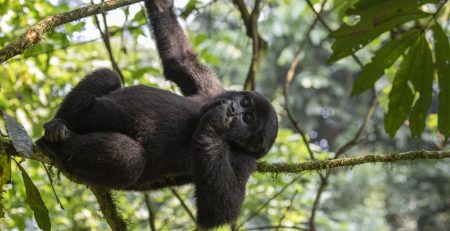
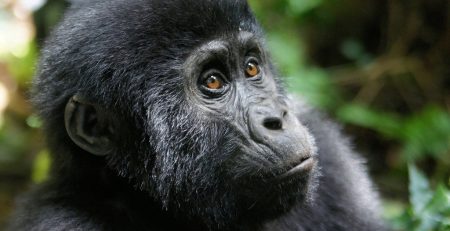
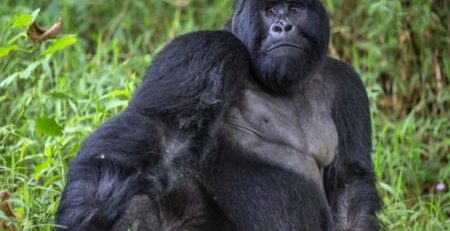
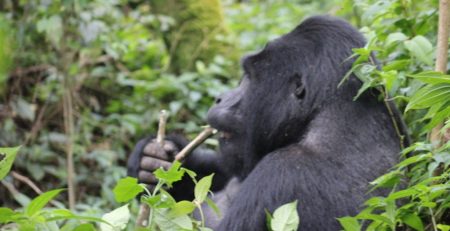
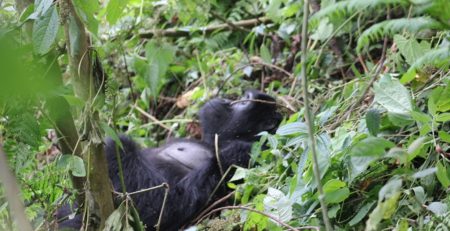
Bujuku Eco Tours2025-09-12T10:25:04+03:00Gorilla habituation is the only unique primate adventure that lets you spend more hours with mountain gorillas in their natural setting. This experience comes once in a lifetime and is only possible when you book a gorilla tour to Uganda. Gorilla habituation is a process in which wild gorillas are gradually introduced to human presence. The idea behind habituation is to make these apes become comfortable with humans once visited in their natural environment.
The step-by-step process of gorilla habituation is done by lead researchers, scientists, park trackers, and conservationists. The actual gorilla habituation takes a full year or 2 before gorillas are opened to visitors to track. As a safari activity (mountain gorilla habituation experience), visitors can spend a full day or half-day when following how gorillas behave in their natural environment.
During the search for gorillas, you have a maximum of 4 (four) hours to interact with a group of these apes. Gorilla habituation is often done on the specific gorilla group being made accustomed to human presence.
Where to go for gorilla habituation
Unlike the usual treks, gorilla habituation is done only in the Rushaga sector. The Rushaga sector is one of the southern gorilla sectors in Bwindi Impenetrable National Park. Overall, gorilla habituation is a unique experience in Bwindi National Park, Uganda. It is in the Rushaga sector where you can engage in a long day search for the semi-habituated gorilla family to explore more about their distinct behaviors.
Why is gorilla habituation conducted?
Gorilla habituation is conducted for a good number of reasons. First, gorilla habituation is done for research purposes.
Research can be conducted on gorillas to explore more about them in their natural setting. It is during research that you can explore more about the social structures, health of the gorillas and other aspects for conservation purposes.
Tourism –once the gorilla group undergoes full habituation, it can be opened officially for tourists to explore. Visits can be done through the usual gorilla trekking adventures. Gorilla tourism plays a significant part, especially supporting the various conservation efforts.
What does gorilla habituation have to offer?
Gorilla habituation comes with a number of benefits.
- The gorilla habituation process allows you to have a deep learning or understanding about gorillas.
- Visitors and researchers get a chance to closely observe the unique habits and other individual personalities of gorillas.
- The purpose of gorilla habituation is also meant to ensure that daily visits are conducted. The daily visits are conducted by the experienced park ranger guide/tracker and others.
The cost of the gorilla habituation experience
Each of the visitors on the gorilla habituation is required to have a valid permit. Rushaga gorilla habituation permits cost USD 1500 per person for foreign non-residents, foreign residents can get a permit at USD 1000, while the East African citizens are charged UGX 750,000. Gorilla habituation and permits can be booked through Bujuku Eco Tours, a registered tour company based in Uganda.
How long can gorilla habituation take?
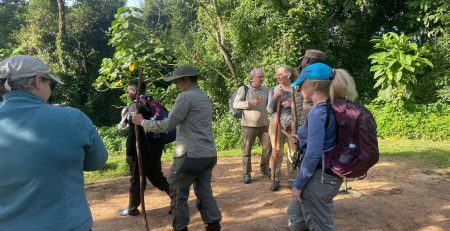
A round gorilla habituation experience takes half a day or a full day. Visitors spend long hours following gorillas in their natural environment. The day with gorillas on habituation starts with a briefing and allocation of the park ranger guides/trackers.
Habituation Vs Gorilla Trekking
Gorilla habituation and gorilla trekking are unique experiences, though each takes you on a journey to witness a family of mountain gorillas.
Gorilla trekking mainly focuses on searching for already habituated gorilla families, unlike habituation, where visitors mainly explore the wild gorillas groups that haven’t been habituated.
During the gorilla trekking session, visitors enjoy a maximum of 1 hour with a family of gorillas whereas Gorilla habituation allows tourists a maximum of four (4) to be with gorillas. The time allowed for you to stay with a group of gorillas is mainly to let you observe the rare behaviors displayed by these great apes while in their natural habitat.
Usual gorilla treks are conducted across all the destinations, that is, Bwindi, Volcanoes, Mgahinga, and Virunga National Park. With gorilla habituation, there is only one place to visit to engage in the search for a semi-habituated group of gorillas, and that is Bwindi National Park.
Gorilla families to explore during gorilla treks are many, unlike during habituation. In Uganda alone, over 25 habituated gorilla groups are available for gorilla tourism. Rwanda has 13, while Congo currently features about 8 fully habituated gorilla groups.
In the Rushaga sector of Bwindi, where gorilla habituation is conducted, expect to visit groups such as Kutu, Rwigyi group, Mucunguzi gorilla group, Kahungye, Mishaya gorilla group, Nshongi family, Busingye, Bweza, and others.
In terms of carrying capacity, gorilla habituation takes about 4 visitors per gorilla group compared to 8 pax per gorilla family during the gorilla trekking.
Gorilla habituation rules
Like the normal gorilla treks, visitors on gorilla habituation are also required to keep a distance of 7-8m to reduce the risk of disease transmission. Besides, this is a safe distance to keep as it saves you from any likelihood of attacks from gorillas when they charge.
Talking is permitted, but ensure that your voices are kept low to allow concentration during the gorilla habituation. A low voice is recommended to reduce any chances of making gorillas irritated or charge at visitors. Loud noise can be misinterpreted by gorillas as a threat and can disrupt the ecological activities in the natural habitat where these primates live.
Physical contact with gorillas should be avoided to protect these apes from any infectious diseases. Besides, this can also protect you from any chance of attacks from charged gorillas.
Strictly 4 hours should be utilized to enjoy a face-to-face encounter with a semi-habituated gorilla group. This should be respected, and once completed, it is essential to follow the instructions of the officials accompanying you.
Drinking, smoking, or eating is prohibited –avoid displaying your foodstuffs before gorillas as they are regarded as a potential source of infectious diseases.
A flashlight camera isn’t permitted for photography during gorilla habituation. If a photography session finds you with a flashlight camera, make sure it is turned off. The flashlight camera can scare away gorillas or cause irritation sound and these apes can charge at you.
Acceptable age for gorilla habituation –strictly, persons above 15 years are allowed to embark on the search for gorillas during habituation.
During gorilla habituation, ensure that you keep the gorilla habitat clean. No waste or trash should be left in the Pak. Carry back everything you used, including bottled water, snack materials, and more. These should be dumped in the designated containers or sites.
When to travel for gorilla habituation
Tourists can visit Uganda to enjoy gorilla habituation at any time of the year. But the dry months guarantee an exceptional gorilla habituation experience, and this can be from June to September or December to February. These are peak dry months with a drier forest floor, making it easier to penetrate through the jungle in search of gorillas. Gorilla habituation can also be experienced during the off/low season i.e. March, April, May, October, or November. The only challenge with the off-months is that too much rain is recorded, making the ground slippery or muddy to walk through.
How to pack for gorilla habituation
The packing list for gorilla habituation covers items such as waterproof hiking boots, a daypack, a first aid kit, a pair of long-sleeved shirts, gardening gloves, sunglasses, insect repellents, a safari hat, and others.




Leave a Reply