

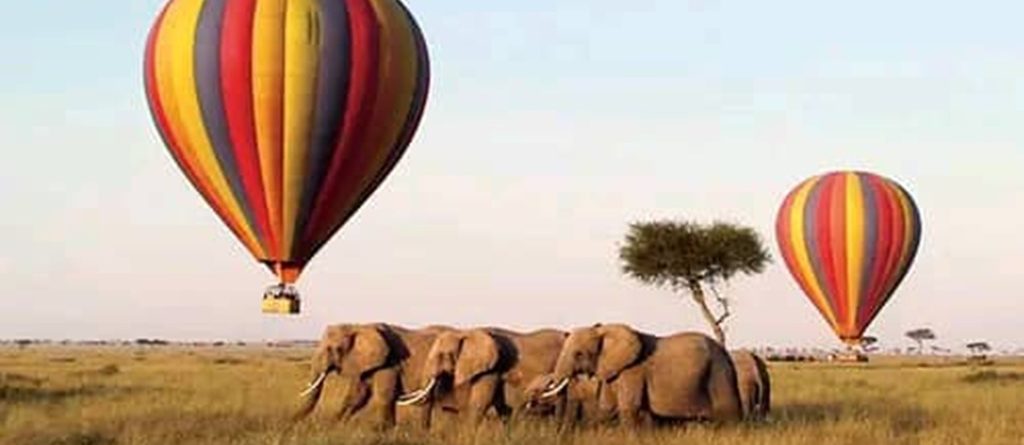
Hot Air Ballon Safaris in Masai Mara National Reserve
Bujuku Eco Tours2026-02-20T16:13:12+03:00Hot Air Ballon Safaris in Masai Mara National Reserve: The Maasai Mara National Reserve is located in southwestern Kenya, specifically within Narok County. It is situated along the Great Rift Valley, bordering Tanzania to the south and adjacent to the Serengeti National Park, together forming the vast Mara-Serengeti ecosystem. It is about 180–306 km from Nairobi, taking 5-6 hours by road or a short flight.
Hot air ballon was first introduced in Kenya in the early years of 1970s by sir Alan Root, who used a hot air ballon as an aerial platform for wildlife photography and videography throughout East Africa. Today a hot air ballon is an unforgettable tourist activity in Kenya, providing a once in a lifetime unique experience of the Masai mara landscape and wildlife. A ballon safari provides a bird’s eye view of the Masai mara national reserve, and a spectacular aerial view of the wildlife and the surrounding landscape.
Flying high up in the skies above the Masai Mara National Reserve is the definitive safari experience. The scenery below is an everlasting thrilling mixture of riverine forests, expansive savannahs, immense escarpments and rugged rivers. Against a backdrop of stunning sunrises, hot-air balloon flights in the Masai Mara give you a unique vintage point of the rich wildlife living below. There is nothing quite like it, the view is unmatched and the experience is remarkable.
Hot Air Balloon and the Masai Mara Great Migration
Hot air ballooning over the Maasai Mara during the Great Migration which takes place during the month of July to October, offers an unparalleled, silent aerial view of millions of wildebeests, gazelles and zebras. The experience includes a sunrise takeoff,, sweeping views of the Mara River crossings, and a traditional champagne breakfast upon landing.
The experience you get in a hot air balloon safari over the Masai Mara National Reserve during the Great Migration is widely considered the ultimate African adventure. It offers a rare, bird’s-eye viewpoint of millions of wildebeests, gazelles and zebras as they traverse the vast savannah, a scale impossible to fully grasp from the ground.
When Is the Best Time to Go for A Hot Air Balloon Safari in Masai Mara National Reserve?
While balloon safaris operate all year-round in the Maasai Mara, tactical timing maximizes both flight conditions and wildlife viewing opportunities. Understanding seasonal patterns helps in planning the ideal remarkable hot air balloon adventure.
The best time for a hot air balloon safari in the Masai Mara is during the dry season from late June to October, which coincides with the Great Migration. These months offer clear skies, optimal visibility, and the chance to witness thousands of wildebeest crossing the Mara River from above.
The months of November to May are wet seasons, balloon flights are most likely to be cancelled due to rainy days and bad visibility. Nevertheless, during the dry season weather conditions can differ, morning flights are always subject to bad weather conditions like high-speed winds and poor visibility.
What Is the Cost of a Hot Air Balloon Safari in Masai Mara National Reserve
A hot air balloon safari in the Masai Mara National Reserve usually costs between $450 and $600 per person. This premium, all-inclusive experience generally includes a 1-hour flight, champagne bush breakfast, and transfers to and from local camps. Prices for children under 12 are often lower, around $350–$400.
During the months of July–October prices are usually at the highest peak often ranging from USD500 to USD600 or more due to the wildebeest migration season.
Hot air balloon safari prices generally include a 1-hour early morning hot air balloon flight, a licenced hot air balloon pilot, and often a champagne-filled, bush breakfast upon landing. The package also commonly covers round-trip transfers from nearby lodges or camps, a participation certificate, and safety equipment.
Why Are Hot Air Balloon Safaris Costly
Hot air balloon safaris are expensive due to high operational costs, including specialized, short-lifespan equipment ranging from USD$100,000+ per balloon, expensive aviation insurance, and the need for highly skilled, certified pilots. The cost covers logistically intensive operations in remote areas, including crew, chase vehicles, and often a champagne breakfast.
After approximately 850 flight hours, hot air balloons stop working and a new balloon must be purchased in order to guarantee the safety of those who board the balloon. Hot air balloon flights are expensive due to the cost of fuel and crew to operate the hot air balloon. Crews are made up of six crew members and a licenced balloon pilot. An additional ten people behind the scenes (given per balloon) are responsible for getting each hot air balloon inflight. In total, this adds up to quite a group of people whose source of income depend on the proceeds from hot air balloon flights. In addition to this, each hot air balloon flight requires recovery vehicles, transfer vehicles and back-up operations. To top this off, a large portion of the hot air balloon flight fees are made up of conservation fees.
Other Places to Do Hot Air Balloon Safaris in East Africa
Beyond the iconic Serengeti and Masai Mara, other top East African hot air ballooning spots include Uganda’s Murchison Falls and Queen Elizabeth National Parks, Tanzania’s Tarangire and Ruaha National Parks, and Rwanda’s Akagera National Park. These experiences typically feature sunrise flights over savannahs, rivers, and herds of wildebeests gazells and zebras, often concluding with a champagne breakfast upon landing.
- Murchison Falls National Park in Uganda offers unique sunrise and sunset ballooning experiences, often combined with game drives, boat cruisetrips to the bottom of Murchison falls. It provides aerial views of the Nile River, the vast savannah, and large herds of wildlife.
- Queen Elizabeth National Park in Uganda well Known for its diverse scenery, including crater lakes in Rubirizi district and the Kazinga Channel, and the vast savannah offering a dramatic backdrop from the air.
- Tarangire National Park found in northern Tanzania is famous for its massive Baobab trees and high concentration of elephants, offering a different landscape focused on ballooning experience compared to the Serengeti.
- Ruaha National Park found in south-central Tanzania, approximately 130 km west of Iringa town. The park Provides a more rugged, remote wilderness experience with stunning views of the Great Ruaha River and untouched bush.
- Akagera National Park in Rwanda is the country’s only savannah park and the largest protected area in Rwanda. It is a newer, exclusive ballooning location offering views over lakes, papyrus swamps, and savannah in East Africa’s largest protected wetland.
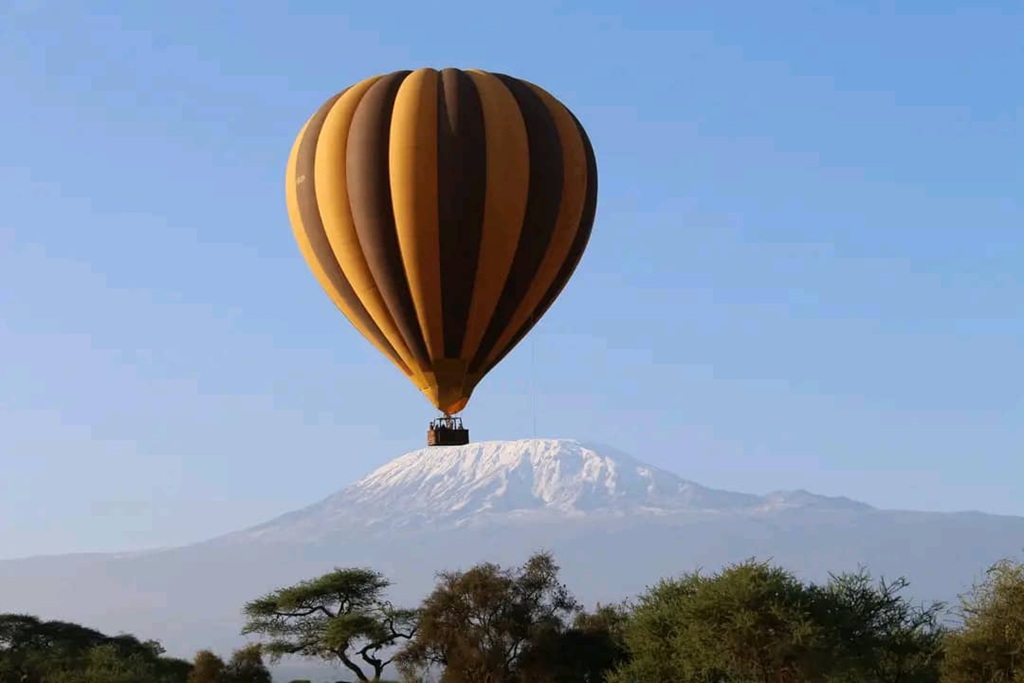
- Amboseli National Park, Kenya, commonly Known for ballooning with remarkable, close-up views of Mount Kilimanjaro and large elephant herds.
Where To Stay in Masai Mara National Reserve
Richard’s River Camp
This Lodge is located in the Mara North Conservancy.
Richard’s River Camp is beautifully carved with wood tables, etched glass water bottles, big pillow chairs and relaxing hammocks made for a warm and inviting atmosphere. All of this awaits the minute you step into your luxury safari tent at Richard’s River Camp. Hidden away in the wildlife-rich Mara North Conservancy along the banks of the Ntiakatek River, this safari camp and its very hospitable Maasai staff will ensure you have a very memorable safari holiday.
Little Governors’ Camp
Candlelit dinners, an ‘Out of Africa’ full-on luxurious safari tent, incredibly friendly Maasai guides and camp staff and every creature comfort you could wish for. Little Governors’ Camp offers guests all of this… plus its very own waterhole teeming with wildlife.
Basecamp masai mara
A beacon of sustainable eco-tourism, on the border of the Masai Mara National Reserve, this riverside camp is a mid-sized tented community perfect for families and couples alike.
How To Get to Masai Mara National Reserve
The Masai Mara national reserve is mainly accessed from Nairobi via a 45-minute to 1-hour flight or a 5- to 7-hour drive. Flying is the fastest and most convenient mode of transportation, while road travel is more budget-friendly and offers scenic views of the Great Rift Valley.
By Air
Flying is ideal for travellers with restricted time or those who wish to avoid rough road conditions. Most domestic flights depart from Wilson Airport (WIL) in Nairobi and take approximately 45–60 minutes. the major carriers include Safarilink, AirKenya Express, and Skyward Express.
Flights land at various air strips depending on your lodge, such as Keekorok, Ol Kiombo, Serena, and Musiara.
By Road
Road travel is the most common method for budget and midrange safaris. The most commonly used route is from Nairobi through Narok Town to the Sekenani Gate. It takes about 5 to 7 hours for eastern gates (Sekenani, Talek) and up to 6.5 hours for western gates (Musiara, Oloololo).
A 4×4 wheel drive vehicle is essential, as the final 100km approaching the reserve consists of rough gravel roads that can become muddy during rainy seasons.

Leave a Reply