

A complete guide to a safari to Serengeti national park
Harrison2026-10-17T18:40:39+03:00A complete guide to a safari to Serengeti National Park: A safari to Serengeti National Park is one of the most memorable wildlife experiences in Africa. The park is famous for its vast savannah plains, large populations of lions and other predators, elephants, giraffes, and the spectacular Great Wildebeest Migration. Whether you are planning a luxury safari, a mid-range wildlife adventure, or a budget camping trip, Serengeti offers opportunities to experience Africa’s wildlife in its natural habitat.
Whether you are planning a luxury safari, a budget camping adventure or a private wildlife tour, Serengeti National Park offers exceptional opportunities to explore Africa’s wilderness. However, choosing the right travel season, accommodation and safari duration can make a significant difference to your experience. This complete guide to a safari to Serengeti National Park explains what to expect, the best time to visit, wildlife viewing opportunities, accommodation options, safari costs and how to plan a memorable Tanzania safari.
Where is Serengeti National Park Located?
Serengeti National Park is located in northern Tanzania, forming part of the larger Serengeti ecosystem, which extends towards Kenya’s Maasai Mara. The park covers 14,763 square kilometres and is recognised for its exceptional wildlife populations and ecological importance. The landscape consists of open grasslands, rolling plains, rocky outcrops known as kopjes, river valleys, and woodland areas. These different habitats support a wide range of wildlife throughout the year.
What to see on a safari to Serengeti National Park
Serengeti is one of Africa’s best-known destinations for game viewing. However, wildlife sightings vary depending on the season, location and weather. The park offers opportunities to see many iconic African animals.
The Great Wildebeest Migration
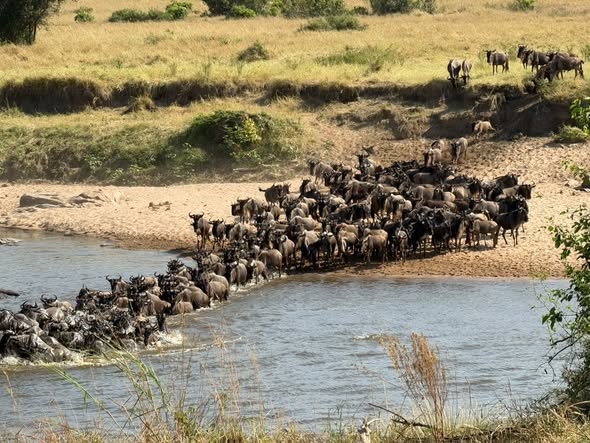
The Great Wildebeest Migration is like a wonder event that occurs in the Serengeti every year, large herds of wildebeest and zebras move through the Serengeti ecosystem in search of fresh grass and water. The migration follows seasonal rainfall patterns rather than a fixed calendar. Depending on the time of year, visitors may see calving herds in the southern plains, large columns of animals moving across central Serengeti or dramatic river crossings in the northern region.
Our guides drive you to River crossings at the Grumeti and Mara rivers, where migrating animals face strong currents and potential predators. However, crossings are unpredictable, and seeing one is never guaranteed. visitors can enjoy impressive herds, predator sightings and beautiful landscapes throughout the year.
Hot-Air Balloon experience
A hot-air balloon safari offers a different experience of the Serengeti. It allows visitors to view the plains, rivers and wildlife from above. The experience is often followed by a bush breakfast, depending on the arrangement with the operator and location. Balloon safaris usually cost extra and should be booked in advance, particularly during busy travel seasons.
Photography Safaris
The Serengeti is ideal for wildlife photography because of its open plains, dramatic light and diverse animal life. With your best camera, there is provision of time and flexibility for photographers who want to spend more time observing a particular animal or waiting for suitable lighting.
Beautiful Landscapes
The Serengeti is not simply a destination for wildlife photography. Its scenery ranges from open savannah and golden grasslands to wooded valleys, seasonal rivers and dramatic granite kopjes. Sunrise and sunset game drives offer excellent opportunities to appreciate these landscapes.
Wildlife viewing
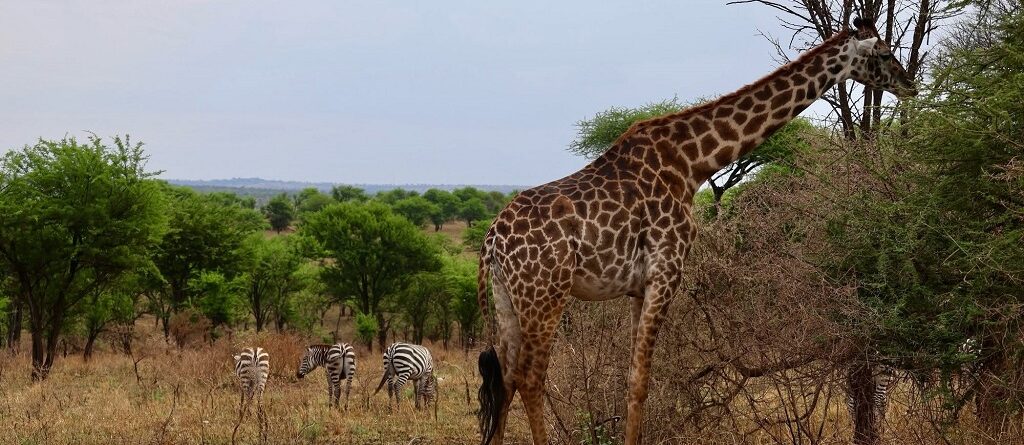
While on a safari to Serengeti, you will see a variety of wildlife species such as leopard, cheetah, giraffe, hippos, elephants, hyenas, crocodile, zebra, wildebeest, jackals, Topi, eland and birds such as ostrich, secretary bird, Gray backed vulture, hamerkop, hadada ibis, wattled lap wing and much more.
Cultural experiences
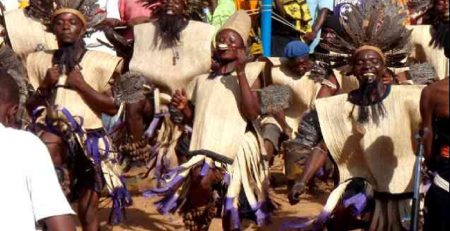
Discover Tanzania’s unique cultural experiences that includes the Maasai traditional dances, dressing style, learn about their semi nomadic life style of living.
Best time to visit Serengeti National Park
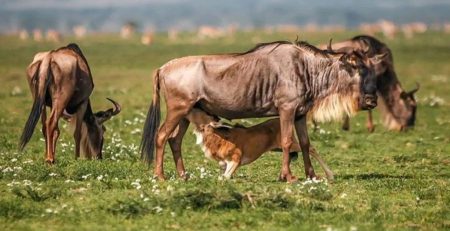
The best time for a Serengeti safari depends on your wildlife interests and budget plan. June and early October offers drier season favouring wildlife to gather at waterholes and rivers. For wildebeest calving season takes place in January to March in the southern Serengeti attracting predators such as lions, hyenas, leopard, cheetah to prey on calves.
How to Get to Serengeti National Park
visitors usually begin their safari in Arusha which is a major gateway for northern Tanzania’s safari circuit. Serengeti is accessed by road and domestic flights. By Road, travel by 4×4 safari vehicle from Arusha to Serengeti taking about 8-9 hours drive to access Naabi Hill gate, Ndabaka, Kleins, Fort ikoma, Handajega and Bologonya gate. By domestic flight, Scheduled or charter flights connect some regional airports with airstrips in and around the Serengeti such as from Arusha airstrip to Serengeti. Flying can save considerable travel time.
Safaris that can be combined with Serengeti national park
The Serengeti is also part of a wider conservation landscape that includes the Ngorongoro Conservation Area and other protected areas. Among the safaris to combine with Serengeti safari are the Ngorongoro Crater, Tarangire National Park and Lake Manyara National Park to experience more of northern Tanzania.
Where to stay during a safari to Serengeti
Serengeti offers a variety of accommodation options, from luxury logdes to budget tented camps and mid range.
Serengeti serena safari lodge
The lodge is a luxury retreat located on an acacia-lined ridge in the Kyabatero Hills, near the Western Corridor and the Grumeti River in the Serengeti National Park. It has 65 standard rooms and 1 suite with private balconies or terraces overlooking the savanna plains, offers all continental dishes.
Seronera wildlife lodge
Seronera Wildlife Lodge is located 4 km northwest of the Seronera Airstrip near Serengeti national park. It has 75 luxury rooms constructed round a rocky outcrop from glass and wood elements, perfectly blending into its surrounding. The lodge has amenities such as a swimming pool, restaurant, bar, Wi-Fi internet.
Kubu Kubu Tented camp
This is a luxury camp well designed in modern African style. Each spacious tent is thoughtfully designed to offer a serene sanctuary amidst the untamed wilderness. It features elegant tents built on raised wood platforms with an en-suite facility and an outside shower. After a day on safari guests can enjoy a refreshing shower under the stars. Each tent has its own private terrace from where to enjoy the landscape and the environment. The family tent consists in two rooms interconnected, each room with ensuite facilitates and private porch.
What to Pack for a Serengeti Safari
Packing right helps you stay comfortable during early morning game drives and changing weather conditions. Essential items to pack include walking shoes, light and warm clothing, fleece jackets, a hat, insect repellent, sunglasses, sunscreen, a pair of binoculars, camera, first aid kit, small pack bag, water bottle.
Conclusion
Plan your safari to Serengeti National Park to discover Africa’s wildlife, explore beautiful landscapes and experience the Great Wildebeest Migration.
From big cat sightings and sunrise game drives to comfortable tented camps and luxury lodges, the park offers options for different travel style. The best safari depends on when you travel, how many days you have and which wildlife experiences matter most to you. By choosing a suitable experienced local safari operator such as Bujuku Eco Tours and planning around seasonal wildlife movements suited to your budget and interests creates a successful safari.


Leave a Reply