

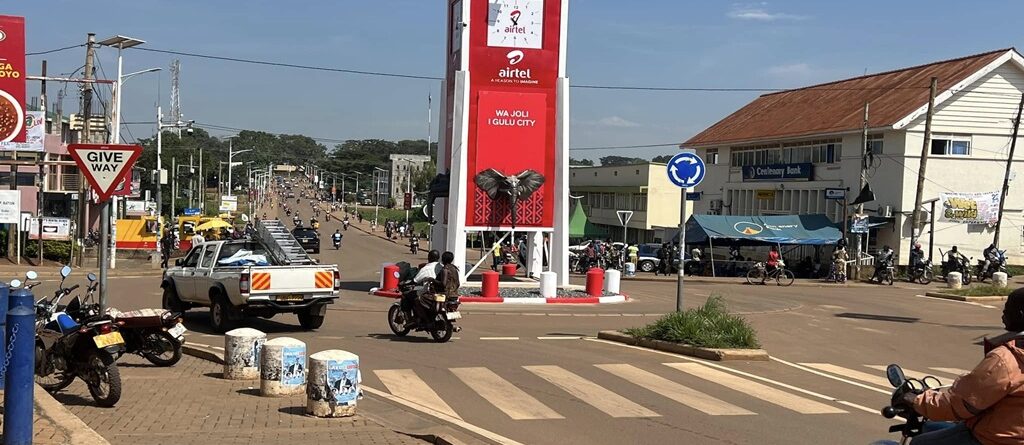
Things To Do in Gulu City
Esther2026-09-30T08:56:30+03:00Things To Do in Gulu City: Gulu, the vibrant commercial and cultural heart of northern Uganda. The city was once deeply affected by conflict, has transformed into a dynamic city rich in history, resilience, and Acholi heritage. Whether you are exploring its past, diving into its creative scenes, or using it as a gateway to wildlife safaris including the stunning Murchison Falls National Park, the city offers a diverse array of experiences. Visitors can experience the warmth of local communities, various markets, and beautiful landscapes surrounding the city.
This lively destination provides travellers with genuine cultural involvement opportunities, from engaging with local Acholi communities to exploring significant historical sites. The city’s energy is catching, with bustling markets, warm hospitality, and a growing tourism infrastructure. Visitors can witness post-conflict development firsthand, support local communities through responsible tourism, and experience the authentic heart of northern Uganda away from the more crowded southern tourist circuits.
Tourist Activities to Do in Gulu City
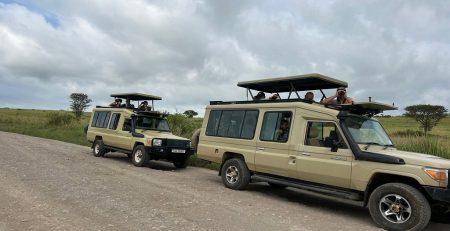
Gulu offers a rich mix of cultural heritage sites, vibrant community markets. Top tourist activities in Gulu include exploring local history at Fort Patiko, experiencing vibrant Acholi culture at the TAKS Community Art Centre, and taking day trips for wildlife safaris to Murchison Falls National Park.
TAKS Community Art Center
This cultural hub occupies a former British colonial clubhouse. It hosts weekend live music concerts, traditional Acholi dance competitions, and local art exhibitions.
TAKS Centre is a non-profit organization located on Upper Churchill Drive in Gulu, Northern Uganda which focuses on providing the community with a place to engage in the creative arts. It was founded in 2005 by ceramic artist David Lukani Odwar, the center was established to promote peace, reconciliation, and psychosocial healing through art and culture following the region’s historical conflicts.
The venue hosts art exhibitions, cultural performances, fireside chats, dance competitions, film festivals, and youth empowerment programs. There is an on-site shop selling reasonably priced local crafts, traditional jewellery, original paintings, pottery, and wooden carvings. The center itself is structurally transformed from a former British colonial clubhouse, once a symbol of white supremacy—into a local cultural hub celebrating Acholi heroes like poet Okot p’Bitek and doctor Matthew Lukwiya
Aruu falls
Aruu Falls is a stunning sequence of cascading waterfalls located in Pader District in northern Uganda situated in Lapaya village along the Gulu-Kitgum highway, the falls are located 47 km away from Gulu city, 57 km from Kitgum, and about 386 km from Kampala.
This beautiful attraction serves as a popular stopover for visitors travelling to or from Kidepo Valley National Park. Visitors can take a guided trek of about 10 to 15 minutes down to enjoy spectacular viewpoints of the top and the base of the waterfalls.
The Aruu Falls in Uganda are made up of several streams that flow with a roaring mighty sound and a rousing scene that is purely stunning and unparalleled. The various streams of the falls flow from seven rocks: Ryanga, Awilo Yaa, Akweyo, Wang Okiye, Lacee, Okello Gem, and Lanya Kweyo. The jagged rocks have a step-like formation that allows the water to flow smoothly downstream from the river Agago.
Fort patiko
Fort Patiko, also known as Baker’s Fort, is a historic 19th-century military site located on Ocecu Hill in Patiko Sub-county, about 40 kilometers north of Gulu, Uganda. Originally used by Arab traders in the 19th century as a key collection and market center for the East African slave trade, the location on Ocecu Hill served as a vital resting point for caravans transporting enslaved people north toward Sudan and the Middle East
The English explorer Sir Samuel Baker and his wife Lady Florence Baker first encountered the site in 1864. Baker returned to the area under the service of the Khedive of Egypt to suppress the slave trade, eventually capturing the outpost from Arab slavers in 1872. He commissioned the construction of a permanent stone military fort, completed on December 25, 1872. Following Baker’s departure, the fort served as an administrative base for prominent governors of the Equatorial Province, including Colonel Charles Gordon and Emin Pasha. It was gazetted as a national historic monument in 1972
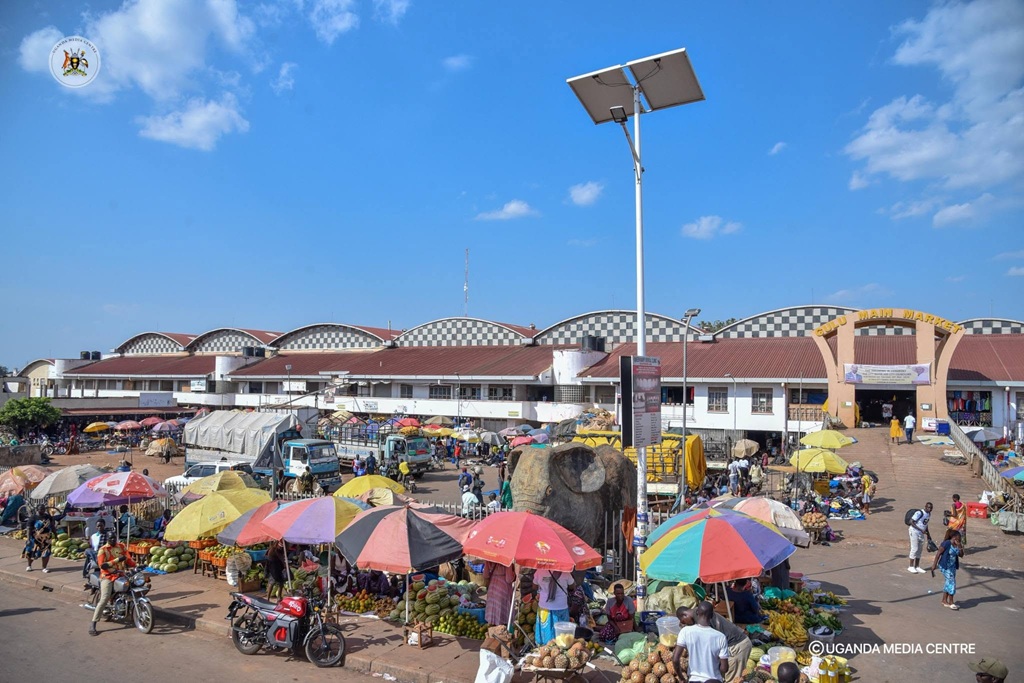
Gulu main market
Gulu Main Market is the primary commercial hub of Gulu City and the largest shopping center in northern Uganda. Located right in the heart of the city, this modern, multi-story government-run facility serves as a vibrant center of local trade, culture, and community interaction. Commissioned in 2015 as part of the government’s Markets and Agricultural Trade Improvement Programme (MATIP), the market structure was built to accommodate over 4,500 business vendors, featuring 1,040 stalls and 474 lockup shops. The market is highly regarded for regional specialties, particularly Odi (a traditional, nutrient-dense Acholi paste made of groundnuts and sesame/simsim seed).
Murchison Falls National Park
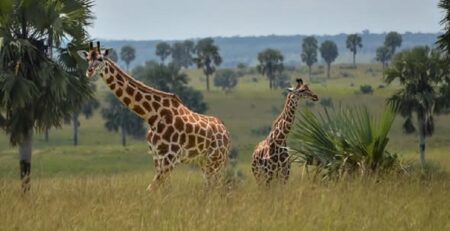
Murchison Falls National Park is Uganda’s oldest and largest conservation area, covering vast expanses of savanna, woodland, and riverine forests. Originally gazetted as a game reserve in 1926, the park was officially designated as one of Uganda’s first national parks in 1952. It lies at the northern end of the Albertine Rift Valley, where the Bunyoro escarpment descends into rolling, palm-dotted plains, offering one of the most dramatic landscapes in East Africa.
The park is bisected by the Victoria Nile, which plunges 45m over the remnant rift valley wall, creating the dramatic Murchison Falls, the centrepiece of the park and the final event in an 80km stretch of rapids.
When to visit Gulu City
Gulu, located in northern Uganda, experiences a tropical savanna climate, characterized by two wet seasons and two dry seasons. The city enjoys warm weather year-round, with high temperatures generally ranging from 25°C to 33°C. To fully experience the local culture and attractions, it’s best to visit during the dry months.
The long dry season from December to February offers plenty of sunshine, making it perfect for exploring Gulu’s outdoor attractions and markets. This is also when many locals are engaged in vibrant agricultural activities, allowing visitors to witness the rich agricultural heritage of the region.
The rainy seasons from March to May and the shorter one from September to November transform the landscape into a lush, green paradise. However, traveling during this time may require waterproof gear, as heavy downpours are common. These wet months provides an excellent opportunity for birdwatching, with migratory species flocking to the area.
How to get to Gulu City
Gulu is well-connected to major cities in Uganda, making it accessible for travelers. The most convenient way to reach Gulu is by air, with Entebbe International Airport being the nearest major airport. Upon landing, you can take a domestic flight to Gulu Airport, which is roughly a 1-hour flight.
If you prefer overland travel, buses from Kampala to Gulu are frequent, with several transport companies offering comfortable options. The bus ride usually takes about 8 to 10 hours, depending on road conditions. For a more adventurous approach, you can also travel by private vehicle or hire a taxi, which provides the flexibility to stop along the way and explore small towns or sites.





Leave a Reply