

Guide to Rwanda Wildlife Safari Cost
Bujuku Eco Tours2026-08-03T13:56:00+03:00Guide to Rwanda wildlife safari cost, Rwanda has a reputation as an expensive safari destination, and that reputation is both accurate and slightly misleading at the same time. Gorilla trekking permits, the country’s signature activity, are priced at a genuine premium compared with almost anything else in African tourism, and this single line item shapes most people’s assumptions about the cost of a Rwanda trip overall. But Rwanda also offers Akagera National Park, a genuinely affordable savannah safari destination, a wide range of accommodation from budget guesthouses to ultra-luxury lodges, and a domestic tourism infrastructure that, once you understand its actual structure, is more flexible on cost than the gorilla permit price alone suggests.
This guide breaks down exactly what a Rwanda wildlife safari costs, component by component: gorilla and golden monkey trekking permits, Akagera safari costs, accommodation across every tier, transport, and the specific additional expenses that catch first-time visitors off guard.
Cost Breakdown by Destination and Activity
What follows covers the specific cost structure for Rwanda’s main destinations and activities in more detail, since each behaves somewhat differently within an overall trip budget.
Volcanoes National Park: Gorilla and Golden Monkey Trekking
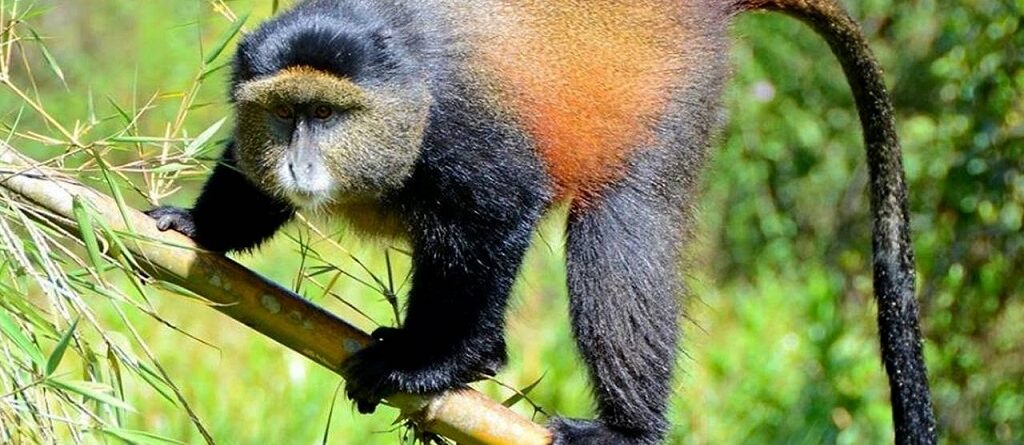
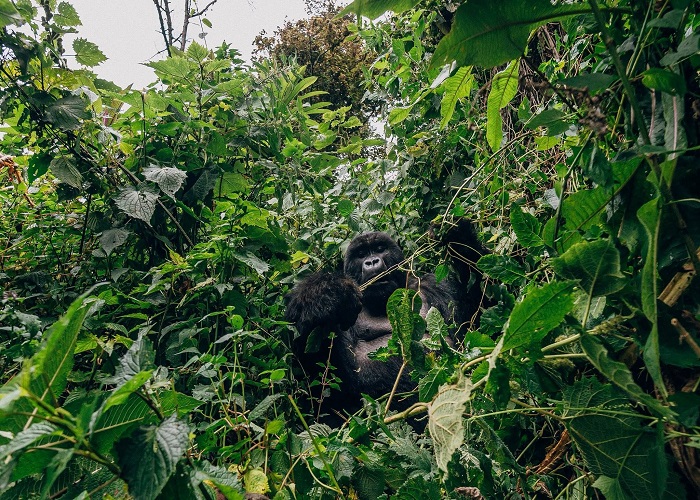
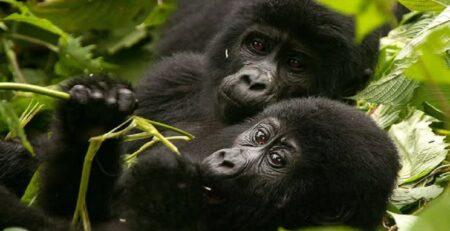
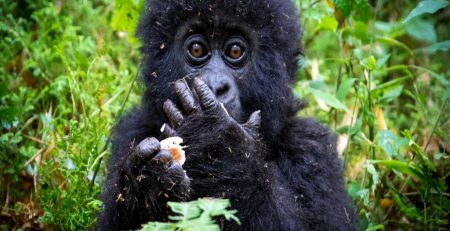
Gorilla trekking permits at Volcanoes National Park are priced as a fixed daily fee per person, set by the Rwanda Development Board and reviewed periodically; confirming the current published rate directly with the RDB or a reputable operator before budgeting is essential, since this figure has changed over the years and any specific number quoted risks being out of date. Golden monkey trekking permits, also fixed by the RDB, are priced considerably lower than gorilla permits and carry less scarcity, making a combined gorilla-and-golden-monkey visit a common way to add a second primate experience without a proportional cost increase. Both permits should be booked well in advance, particularly for peak season dates, since availability rather than price is often the binding constraint.
Akagera National Park:
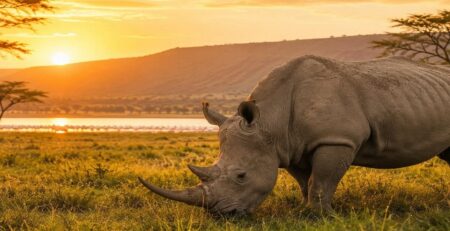
Akagera National Park’s cost structure is considerably more in line with typical East African savannah park pricing than Volcanoes National Park’s gorilla trekking economy. Non-resident international visitors pay a standard per-person daily entry fee, with foreign residents and East African Community citizens paying meaningfully lower tiers. Specific activities within the park, including the Lake Ihemas boat cruise, game drives and the Lake Shakani sport fishing permit, each carry their own modest additional fee. For budget-conscious travellers, an Akagera-focused Rwanda trip without a gorilla trekking permit is a genuinely affordable way to experience Rwanda’s wildlife, at a fraction of the cost of a gorilla-trekking-inclusive itinerary.
Nyungwe Forest: Chimpanzee Tracking and Canopy Walk
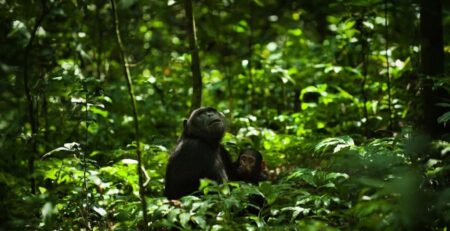
Chimpanzee tracking permits at Nyungwe Forest sit between the gorilla and golden monkey permit price points, reflecting the moderate scarcity and moderate demand for this activity compared with the other two. The Nyungwe canopy walkway carries its own separate, considerably lower entry fee and is a worthwhile lower-cost addition for travellers who want a forest experience without the cost or physical demand of chimpanzee tracking itself.
Lake Kivu:
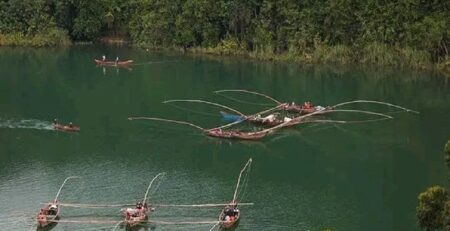
A Lake Kivu extension is one of the more affordable components of a Rwanda itinerary, since the lake itself carries no entry fee and most of its activities, swimming, kayaking, a Napoleon Island boat excursion or a Congo Nile Trail day hike, are modestly priced compared with the primate trekking permits. Accommodation at Lake Kivu spans a genuinely wide range from budget guesthouses to premium lodges, giving significant flexibility to manage overall trip cost by adjusting the beach and rest portion of the itinerary rather than the fixed permit costs.
Kigali:
Time spent in Kigali at the start or end of a Rwanda itinerary adds relatively little to the overall trip cost. The Kigali Genocide Memorial charges no entry fee, though a donation is appropriate, and most of the city’s other worthwhile activities, the Nyamirambo Women’s Centre walk, Inema Arts Centre, Kimironko Market, carry modest fees well below the cost of any primate trekking permit. Accommodation in Kigali spans budget to luxury just as elsewhere in the country, giving flexibility to manage this portion of the trip cost independently of the fixed permit expenses.
How Season Affects Rwanda Safari Costs
Gorilla and golden monkey trekking permit prices are fixed by the Rwanda Development Board and don’t change with season, which is a genuinely different cost dynamic from most African safari destinations where park fees or camp rates fluctuate between peak and low season.
What does vary seasonally is accommodation pricing, particularly at the premium lodges around Volcanoes National Park, where rates during the June-September and December-January peak periods run meaningfully higher than during the shoulder and low season months.
This means the practical cost-management lever available to a season-flexible travelers is accommodation timing rather than permit timing. Travelling during the shoulder months of October-November or February-early March can produce worthwhile accommodation savings without any change to the fixed permit costs, since the gorillas themselves are equally present and equally worth seeing regardless of season.
Season | Months | Permit Cost Impact | Accommodation Cost Impact |
Long dry season | June – September | No change; fixed fee | Highest rates; peak demand |
Short dry season | December – February | No change; fixed fee | High rates, especially over Christmas and New Year |
Long rains | March – May | No change; fixed fee | Lowest rates; some properties offer reduced pricing |
Short rains | October – November | No change; fixed fee | Moderate rates; good value shoulder season |
Complete Trip Budget Examples
Rather than looking at cost components in isolation, it’s more useful to see how they combine into complete trip budgets at different tiers. Here are three realistic Rwanda itinerary structures with an honest sense of overall cost tier, built around a seven-to-ten-day trip covering gorilla trekking as the anchor activity.
These are illustrative structures rather than exact quotes, since actual pricing depends on current permit fees, specific property rates and international flight costs from your origin, all of which should be confirmed with a reputable operator for accurate current numbers.
Budget-conscious Rwanda trip — One gorilla trek, budget accommodation, self-drive or shared transport
A single gorilla trekking permit, budget guesthouses in Kigali and near Volcanoes National Park, shared or self-drive transport, and a focus on lower-cost activities like the Kigali cultural circuit rather than additional permits. This is the most accessible way to experience Rwanda’s signature gorilla trekking while managing overall trip cost.
Mid-range Rwanda trip — Gorilla trek plus golden monkey trek, mid-range lodges, private vehicle
A gorilla trekking permit combined with a golden monkey trekking permit, comfortable mid-range lodges at Volcanoes National Park and Lake Kivu, a private guided vehicle throughout, and a few days at Akagera for a savannah safari component.
Premium Rwanda trip — Gorilla trek, golden monkey trek, Nyungwe chimp tracking, luxury lodges
Gorilla and golden monkey trekking permits, chimpanzee tracking at Nyungwe, premium lodges throughout including a top-tier property at Volcanoes National Park, a private vehicle and guide, and a luxury Lake Kivu or Akagera extension. This represents the most comprehensive Rwanda wildlife experience across all the country’s signature primate and safari activities.
Accommodation Costs Across Rwanda
Accommodation is the most flexible cost lever in a Rwanda safari budget, since the permit fees are fixed regardless of where you stay, but the accommodation tier you choose can shift your overall trip cost dramatically. Volcanoes National Park’s lodge sector has developed a genuinely premium tier over the past decade, with several architecturally striking luxury properties commanding rates well above the country’s other destinations, while Akagera, Nyungwe and Lake Kivu each offer a wider spread from budget to luxury.
For travellers managing an overall trip budget around the fixed cost of gorilla trekking permits, choosing mid-range rather than premium accommodation at Volcanoes National Park specifically, while perhaps allowing a premium splurge at a lower-cost destination like Lake Kivu, is a genuinely effective way to manage the total trip cost without compromising on the core gorilla trekking experience itself.
Destination | Budget Range | Mid-Range | Luxury |
Volcanoes National Park | Modest guesthouses in Musanze/Kinigi | Established comfortable lodges | Bisate Lodge, Singita Kwitonda, Sabyinyo Silverback Lodge |
Akagera National Park | Public campsites (Shakani, Muyumba, Mutumba) | Ruzizi Tented Camp | Magashi Safari Camp, Mantis Akagera Game Lodge |
Nyungwe Forest | Basic forest lodges | Nyungwe Forest Lodge | One&Only Nyungwe House |
Lake Kivu | Local guesthouses in Rubavu or Karongi | Cormoran Lodge, Paradise Malahide | Lake Kivu Serena Hotel |
Kigali | Budget guesthouses | Ubumwe Grande Hotel, Kigali Serena Hotel | Kigali Marriott, The Retreat by Heaven |
Additional Costs to Budget For
Beyond the headline permit and accommodation costs, a Rwanda safari involves a number of additional expenses that first-time visitors often underestimate. Here is an honest account of what else to budget for.
Tipping
Tipping for gorilla and golden monkey trekking guides, porters and armed rangers is a genuine expectation in Rwanda’s trekking economy, and the total across a trip can add up to a meaningful sum if not budgeted for in advance. A general guideline followed by most reputable operators suggests a specific per-day tip for guides, a lower amount for porters, and appropriate tips for lodge staff, drivers and other service providers throughout the trip. Carrying sufficient US dollars in small denominations for this purpose is worth planning for specifically.
Porters
Hiring a porter for gorilla or golden monkey trekking, or for the Mgahinga volcano hikes if your itinerary extends into Uganda, is a modest additional cost that most experienced travellers consider genuinely worthwhile, both for the physical assistance on steep, muddy terrain and because porter fees are a direct and meaningful income source for community members living around the parks. This is a cost worth building into the budget as a matter of course rather than an optional extra.
Domestic Transport
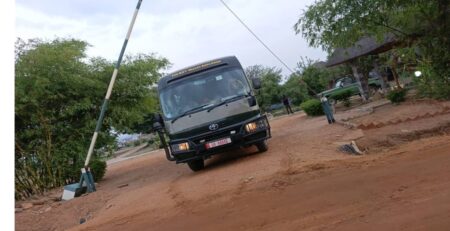
Transport between Rwanda’s destinations, Kigali to Volcanoes National Park, onward to Lake Kivu, across to Akagera or Nyungwe, is typically arranged as part of a tour operator package with a private vehicle and driver-guide, and this cost varies considerably depending on vehicle type, distance covered and number of destinations.
Self-driving is possible for confident travellers and considerably cheaper than a private guided vehicle, though a driver-guide adds genuine value in terms of local knowledge and language, particularly for a first Rwanda visit.
Visa and Entry Costs
Rwanda’s visa policy has become notably more accessible in recent years, with visa-on-arrival or e-visa options available to a wide range of nationalities, and the specific fee for this should be checked against current Rwanda Directorate General of Immigration and Emigration guidance before travel, since policy details change periodically. This is a modest cost relative to the rest of the trip but worth including in an overall budget.
Travel Insurance
Comprehensive travel insurance that specifically covers gorilla trekking and other high-altitude or physically demanding activities, along with emergency medical evacuation coverage, is essential rather than optional for a Rwanda trip, and the cost of an appropriate policy should be factored into the overall trip budget from the outset.
Standard travel insurance policies sometimes exclude activities above certain altitudes or classify trekking as an adventure activity requiring a specific rider, so confirming your policy’s coverage before departure is worth the time it takes.

Leave a Reply