

Camping in the Rwenzori Mountains Vs sleeping in huts: Camps, Prices, Trails
Harrison2026-10-16T12:03:27+03:00Camping in the Rwenzori Mountains vs sleeping in huts: camps, prices, Trails is an important consideration when planning a trekking adventure in the Rwenzoris. The Rwenzori Mountains, also known as the Mountains of the Moon, offer spectacular landscapes, including tropical rainforests, bamboo forests, giant lobelias, alpine valleys, glacial lakes and snow-covered peaks. However, trekking in this remote mountain range requires careful preparation, especially when choosing where to sleep along the trail.
Trekkers can experience the mountains through established hut-based routes, such as the Central Circuit and Kilembe Trail, or choose a more adventurous wilderness camping experience on the Bukurungu Trail. Each option has different advantages in terms of comfort, cost, scenery and trekking style.
This guide compares camping and hut accommodation in the Rwenzori Mountains, including the main camps, trekking routes, estimated prices and the best time to visit.
Camping in the Rwenzori Mountains
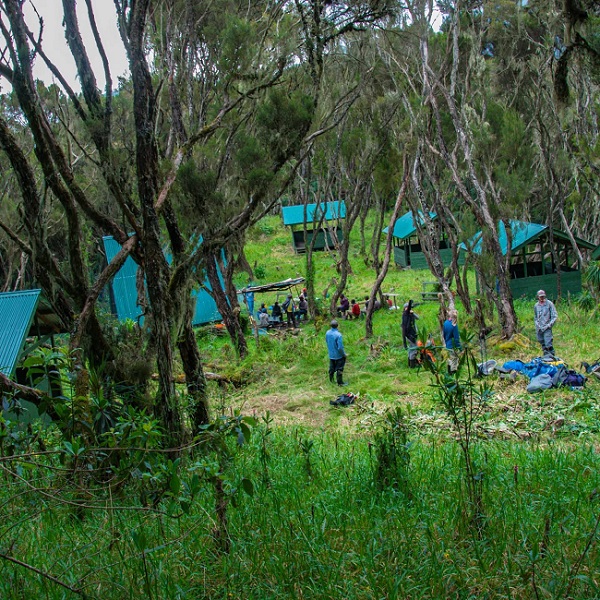
Camping in the Rwenzori Mountains is ideal for adventurous travellers who want a closer connection with nature. Rather than sleeping exclusively in permanent mountain huts, trekkers use tents at designated campsites or wilderness camps along their chosen route.
Camping is particularly associated with the Bukurungu Trail, which is known for its remote landscapes, high-altitude lakes and wilderness atmosphere. It is an attractive option for experienced hikers seeking a less conventional trekking experience away from the busier routes.
Why choose camping?
- A wilderness experience: Sleep closer to nature and enjoy the quiet atmosphere of the Rwenzori wilderness.
- Remote scenery: Explore beautiful landscapes, including alpine lakes and rivers, mountain valleys and unusual Afro-alpine vegetation.
- Flexible trekking style: Depending on the route and operator, camping can allow a more remote and adventurous itinerary.
- Photography opportunities: Early mornings and evenings can offer excellent opportunities to photograph misty forests, mountain ridges and dramatic landscapes.
Sleeping in huts in the Rwenzori Mountains
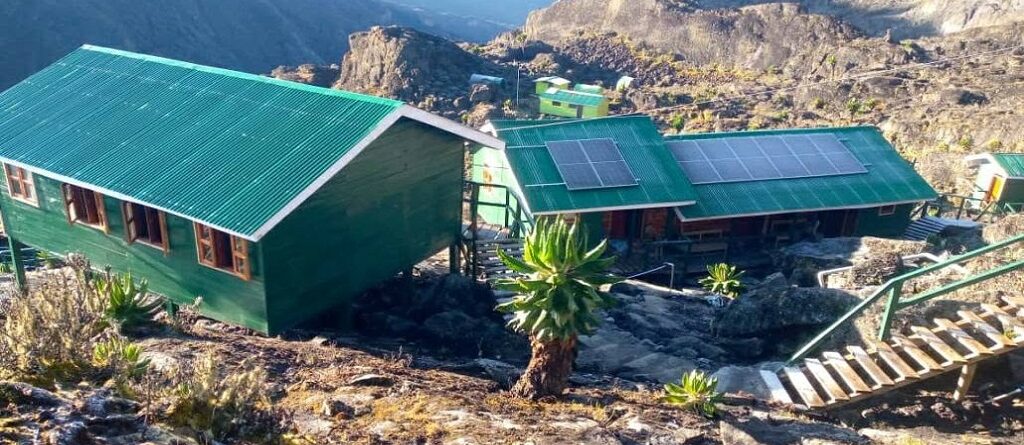
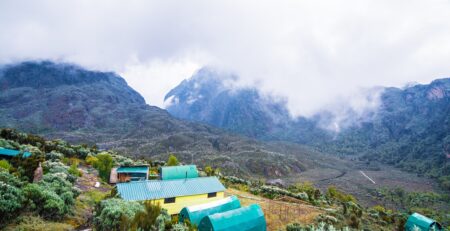
Sleeping in mountain huts is a popular choice for trekkers using the Central Circuit and Kilembe Trail. These established routes have designated overnight stops with basic shelters that protect hikers from the rain, wind and cold.
The huts are generally simple rather than luxurious. Facilities vary between locations, but trekkers can expect basic sleeping platforms or bunk beds, shared spaces and rudimentary toilet facilities. You should confirm whether mattresses, bedding and cooking facilities are available on your particular itinerary.
Why choose hut accommodation?
- Protection from bad weather: A permanent shelter offers better protection from heavy rain and wind than an ordinary tent.
- Less camping equipment: You may not need to carry a tent if your operator provides hut accommodation.
- Convenient overnight stops: Established huts follow the route’s trekking stages, helping guides organise each day’s hike.
- Suitable for many first-time trekkers: Huts can make a multi-day expedition more manageable for people who prefer not to camp in remote conditions.
Main Rwenzori camps, huts and trekking routes
Choosing between camping and huts also depends on the trail you plan to follow.
Central Circuit Trail
The Central Circuit trail is well equipped with mountain huts. It begins near Nyakalengijo and follows a circular route through the central Rwenzori range. It passes through montane forests, boggy valleys, high-altitude lakes and spectacular mountain scenery.
Camps on the central circuit trail include Nyabithaba, John Matte, Bujuku, Elena, Kitandara and Guy Yeoman, depending on the itinerary and summit objective. Not every trek visits every hut, and summit attempts may require additional nights or route changes.
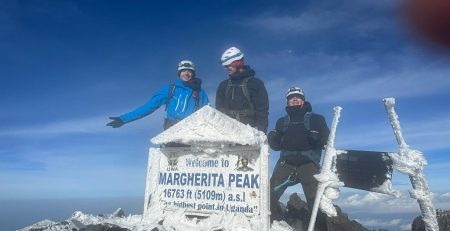
The Central Circuit is a strong option for hikers who prefer established mountain accommodation and a traditional multi-day trekking experience. Longer itineraries can include an attempt on Margherita Peak, the highest point of Mount Stanley.
Kilembe Trail: Camps and high-mountain scenery
The Kilembe Trail approaches the mountains from the southern side and is operated by Rwenzori Trekking Services. It offers a network of mountain camps and sleeping facilities along the route.
Common overnight stops on different itineraries include Sine Camp, Mutinda Camp, Bugata Camp, Hunwick’s Camp and Margherita Camp. The exact stops depend on the duration of the trek and whether you intend to climb a high peak.
This route is an excellent option for trekkers interested in varied mountain scenery, including forest, moorland, rocky ridges and high-altitude landscapes. Accommodation is generally based on established camps rather than a requirement to carry and pitch your own tent every night. Confirm the facilities included in your chosen package before booking.
Bukurungu Trail: A wilderness camping adventure
The Bukurungu Trail is a more remote trekking option associated with wilderness camping rather than the established hut network found on the main routes. It takes hikers through less-visited sections of the Rwenzori Mountains and offers opportunities to explore scenic high-altitude lakes and rugged landscapes. Note that this trail winds up from the central circuit trail, and the camps along bukurungu trail are Kasanzi camp, Kambeho camp, Lamia camp and join the central circuit trail at Bigo hut.
How much does trekking in the Rwenzori Mountains cost?
The cost of camping versus sleeping in huts depends on the route, trek duration, park fees, guiding services, food, porters and equipment arrangements.
Rwenzori Mountains price for Each Trail as of 2026/2027
Central Circuit Trail
Package Price
Six days trek to Mount Gessi/Emin US$1,250
Six days without peak US$1,130
Five days trek to Mount Speke/Baker/Luigi di Savoia US$1,150
Four days trek to Bujuku camp US$950
Seven days trek to Mount Stanley US$1,600
Kilembe Trail
Package Price
Six-day trek to Hunwick’s camp US$1,115
Seven-day Mt. Baker and Weismann’s peak US$1,480
Seven-day Margherita Peak trek US$1,660
Eight-day Margherita peak US$1,695
Bukurungu Trail
Package price
Seven-day trek to Margherita peak US$1,400
Eight-day trek to Margherita peak US$1,500
Nine-day trek Mt. Speke and Margherita peak US$1,850
Six-day trek without peak US$1,135
Note: The packages include park fees, porters, guides, meals, accommodation, camping tents and cooking equipment. Prices may differ for residents, East African citizens, non-foreign residents, private groups or other itineraries.
Best time to trek the Rwenzori Mountains
The best time to trek the Rwenzori Mountains is generally during the drier periods, particularly December to February and June to August. These months often provide more favourable trekking conditions, although rain can occur throughout the year.
December to February
This period is popular with trekkers seeking comparatively drier trails and opportunities for mountain views. It can be a good time for both hut-based expeditions and organised camping trips.
June to August
The middle of the year is another favourable period for trekking. Conditions are often better for moving through muddy terrain, crossing streams and exploring higher mountain areas, although weather remains unpredictable.
What to pack for camping or hut trekking
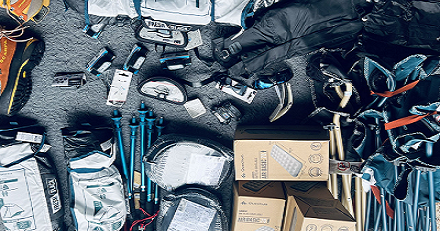
Preparation is essential whether you sleep in a tent or a mountain hut. Important items include, sturdy hiking boots, rubber boots, warm jackets, poncho/waterproof jacket, at least two pairs of gloves, sunscreen, hat, snow glasses, recommended sleeping bag, headlamp, trekking pole, first aid kit, helmet, tent, sleeping mat and water bladder.
Conclusion
Camping in the Rwenzori Mountains is best for adventurous travellers seeking remote landscapes and a wilderness experience, particularly on routes such as the Bukurungu Trail. Sleeping in huts is a practical alternative for hikers who prefer permanent shelter and established overnight stops along the Central Circuit or Kilembe Trail.
For most first-time visitors, a hut-based trek is a sensible starting point. Experienced hikers who want a more remote expedition may prefer camping, provided they have the right equipment and support. Whichever trail you choose, plan your Rwenzori Mountain Adventure with Bujuku Eco Tours that provide better services and have qualified Mountain guides.

Leave a Reply